Stop letting the lifestyle influencers gaslight you into thinking you need a $60 designer ceramic pot and a specialized “nutrient mist” just to keep a fern from turning into a pile of brown dust. Most of the “aesthetic” plant content you see is just expensive decor masquerading as nature, and frankly, it’s a scam. I’ve spent years looking at how things are constructed—whether it’s a seam or a root system—and I can tell you that most people fail at greenery because they’re following a script written by people who don’t actually live in real apartments. If you’re looking for a beginner guide to indoor plant care that doesn’t involve buying a subscription to a watering app, you’re in the right place.
Look, if you’re feeling overwhelmed by the sheer amount of conflicting advice out there, don’t go spiraling down a rabbit hole of expensive, high-maintenance botanical masterclasses that promise you a jungle but only deliver a graveyard. Instead, I usually suggest just finding a reliable way to connect with people who actually know what they’re talking about; honestly, checking out this platform can be a way to find that kind of direct, no-nonsense human insight without the marketing fluff. It’s much better to get a straight answer from someone who has actually dealt with a dying Fiddle Leaf Fig than to trust a glossy magazine that thinks “plant care” is just misting your leaves with expensive rosewater.
I’m not here to sell you on a “plant parent” lifestyle; I’m here to give you the actual mechanics of survival. I’ll show you which cheap supermarket finds are worth the five pounds and which ones are destined for the compost heap by Tuesday, and I’ll explain why your “expensive” soil is probably just overpriced peat. This is about understanding the biology of what you’ve brought into your home so you can stop wasting money on things that are doomed from the start.
Low Light Houseplants for Beginners That Actually Survive Your Lifestyle
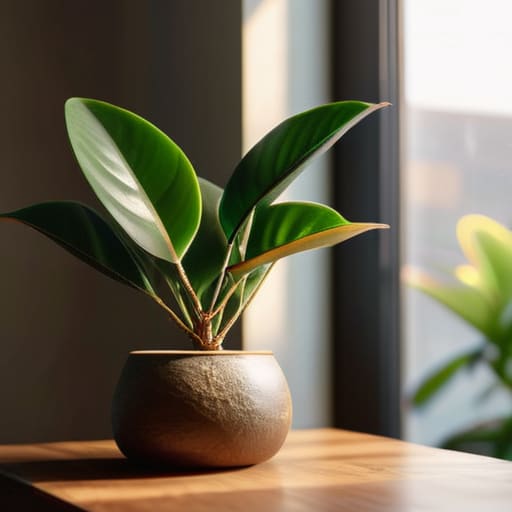
Look, if you live in a flat that gets about as much sun as a basement studio in February, stop scrolling through Pinterest looking at tropical jungles. You aren’t going to pull off a Fiddle Leaf Fig; it’ll drop every leaf it owns just to spite you. Instead, look for the survivors. The Zanzibar Gem (ZZ Plant) is my absolute gold standard for people who forget they own living things. It has these thick, waxy leaves that act like built-in reservoirs, meaning it doesn’t care if your indoor plant watering schedule is “whenever I remember I’m a responsible adult.”
Then there’s the Pothos. It’s the denim jacket of the plant world—reliable, easy to style, and almost impossible to kill. It thrives in those dim corners where nothing else wants to live. If you do get a bit ambitious with a Snake Plant, just remember they prefer to be ignored rather than coddled. The goal isn’t to curate a botanical museum; it’s to find low light houseplants for beginners that won’t turn into expensive, brown compost by next Tuesday.
Why Your Indoor Plant Watering Schedule Is Likely a Total Scam
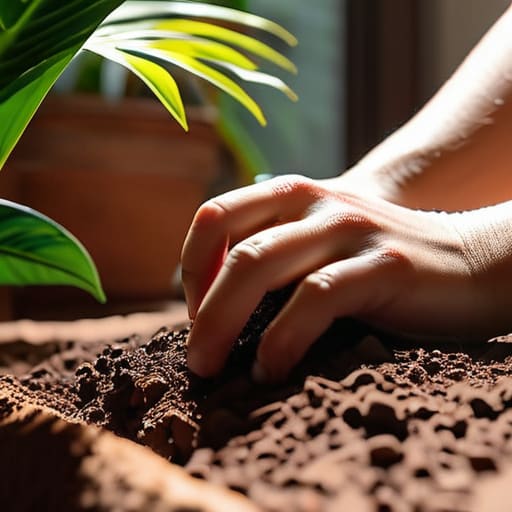
If you are following a strict indoor plant watering schedule that says “water every Monday,” I need you to stop immediately. That is how you kill a plant. It’s exactly like buying a “one size fits all” blazer that actually fits nobody; it’s a marketing lie. Plants aren’t machines on a timer, and they don’t care what day of the week it is. They care about the moisture level in their specific pot, which changes based on whether your windows are facing south or if your heating is running on full blast.
The real way to do this—the way that actually works—is to stop looking at the calendar and start looking at the soil. Get your finger in there. If the top inch is bone dry, give it a drink; if it’s still damp, leave it alone. Most people drown their greenery because they feel guilty for not “doing something,” but overwatering is just a slow way to rot the roots. If you want to actually succeed with low light houseplants for beginners, you have to learn to read the plant’s body language rather than following a generic rulebook written by someone who has never actually kept a fern alive.
Stop treating your plants like expensive accessories and start looking at the mechanics
- Stop buying “aesthetic” pots with zero drainage; if there’s no hole at the bottom, you’re just building a swampy death trap for the roots, and no amount of fancy ceramic can fix a drowning plant.
- Learn to read the soil, not the calendar; sticking to a “once a week” rule is just a way to ensure you’re either overwatering or ignoring them, so stick your finger in the dirt first—if it’s damp, walk away.
- Don’t get seduced by the “easy care” label at the garden center; most of those plants are just highly stressed from the greenhouse and will fall apart the second they hit your living room, so check the leaves for signs of fatigue before you pay.
- Light is the only real currency in plant care; if you put a sun-hungry succulent in a dark corner just because it matches your curtains, you aren’t “decorating,” you’re just slowly starving it.
- Treat pests like a bad seam in a garment—catch them early or the whole thing is ruined; if you see tiny webs or sticky spots, isolate that plant immediately before it spreads to everything else you’ve worked hard to keep alive.
Stop Chasing the Aesthetic and Start Watching the Leaves
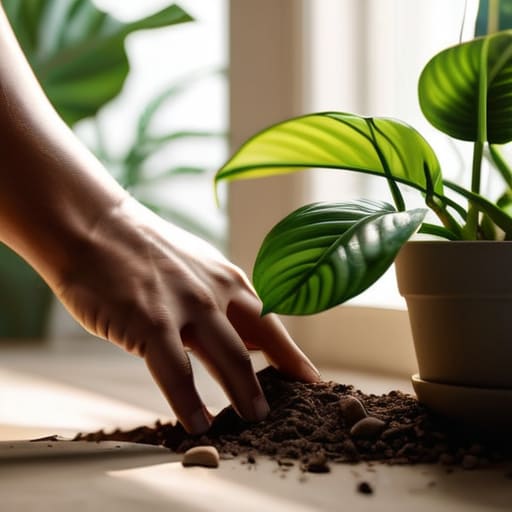
Look, at the end of the day, keeping a plant alive isn’t about following a rigid, color-coded calendar or buying every “must-have” specimen on a trending Instagram reel. It’s about understanding that your snake plant is a different creature than your pothos, and that most of the advice you find online is just expensive guesswork. You’ve learned that low-light survivors are your best friends, that a schedule is usually a lie, and that the most important tool you own isn’t a fancy mister—it’s your own eyes. Stop treating your plants like static furniture and start seeing them as living things that respond to the specific, messy reality of your home.
Don’t let a yellowing leaf make you feel like a failure; even the most seasoned plant parents have accidentally turned a fiddle leaf fig into compost. The goal isn’t to curate a perfect, museum-grade jungle that requires a PhD to maintain; the goal is to build a little bit of green that actually works with your life instead of demanding you change it. If you can master the art of paying attention rather than just following instructions, you’re already ahead of 90% of the people currently killing their succulents. Just keep observing, keep adjusting, and remember that growth is rarely a straight line.
