I spent three years in a basement studio pinning hems for brides who had more money than sense, and if there is one thing I learned, it’s that “completing a look” is usually just code for “buying more junk.” The fashion industry loves to sell you the idea that you need a different statement necklace for every mood or a specific bag for every season, but that’s just a way to keep your bank account empty and your closet cluttered with things that break by next Tuesday. Most people think they need a massive haul to look polished, but I’m here to tell you that learning how to build an accessory collection slowly is the only way to actually look like you have a style, rather than just a receipt.
I’m not going to give you a list of “must-have” trends that will be in a landfill by Christmas. Instead, I’m going to show you how to spot actual quality—like the difference between solid brass and that green-tinted alloy that ruins your skin—and how to do the math on cost-per-wear before you commit. We are going to focus on the pieces that survive a heavy Tuesday and a chaotic Wednesday, building a kit of items that actually work together without requiring a total wardrobe overhaul every time you leave the house.
Understanding How to Build an Accessory Collection Slowly
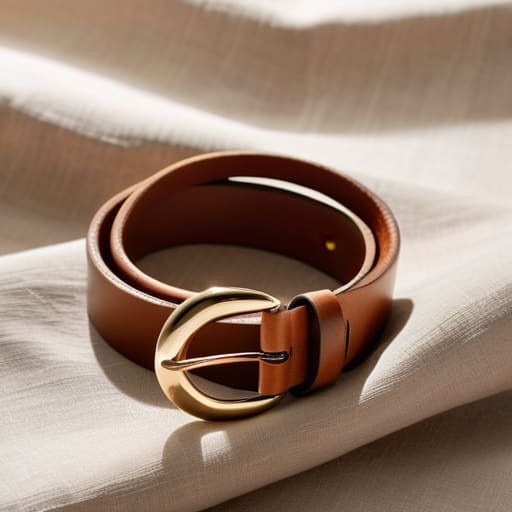
The mistake I see most often—and I see it in every thrift haul and fast-fashion spree—is the “more is more” fallacy. People think they need a drawer full of different colored plastic beads to “have options,” but they actually just have a drawer full of clutter. Building a collection isn’t about accumulation; it’s about curating a capsule accessory wardrobe where every single piece actually earns its keep. I want you to look at your jewelry or your belts the same way I look at a seam: does it serve a structural purpose, or is it just noise?
Instead of chasing every micro-trend that pops up on your feed, focus on the math of quality over quantity in fashion. A single pair of heavy-gauge gold hoops that won’t turn your ears green by Tuesday is worth more than ten pairs of “statement” earrings that break after three wears. When you start prioritizing investment pieces vs trend items, you stop the cycle of buying junk that ends up in a landfill. You aren’t just shopping; you’re selecting the supporting cast for the clothes you already own.
Key Things to Know
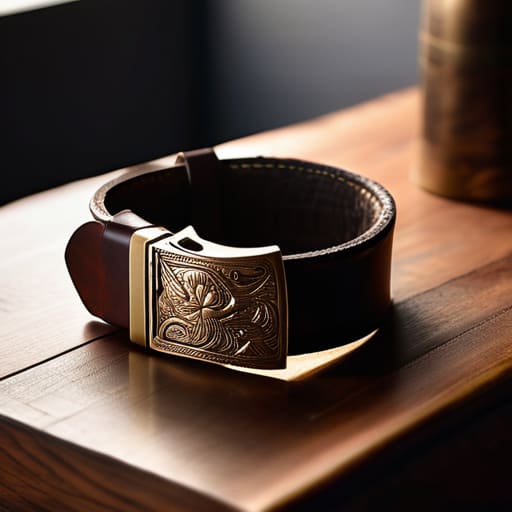
First, let’s talk about the difference between investment pieces vs trend items. I see people walk into my studio with a drawer full of “statement” necklaces that turned green after three wears. That isn’t a collection; it’s a graveyard of fast-fashion decisions. If you want to actually build something, you need to look at the hardware. Is it solid brass? Is it sterling silver? If the weight feels like nothing, it’s probably going to break by next season. I’d rather you spend forty pounds on one substantial belt with a buckle that actually stays put than twenty pounds on five “trendy” ones that slip every time you take a step.
The second thing you need to master is mindful shopping for jewelry and small leather goods. Stop looking at the “New In” section of every website. Instead, look at what you already own and ask: Does this actually work on a Wednesday? Can you wear this scarf with a plain sweater and a pair of jeans without looking like you’re wearing a costume? If the answer is no, leave it on the rack. Real style isn’t about having everything; it’s about having the right things that play well together.
Practical Tips and Steps
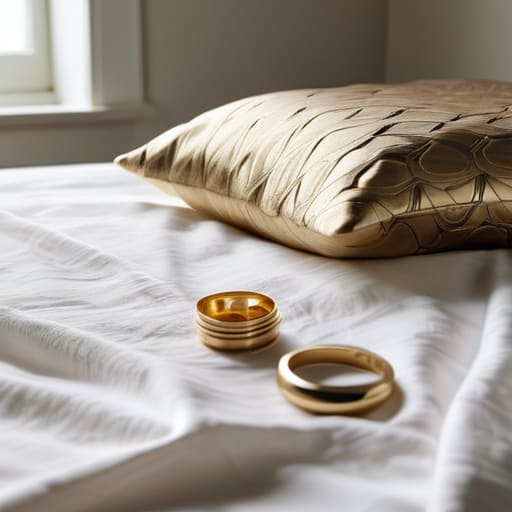
First, stop looking at the “New In” section of every website you visit. If you want to succeed at curating a capsule accessory wardrobe, you need to start with what you already own. Empty your jewelry box onto your bed and sort it by weight and metal tone. I’m talking about the real stuff—the heavy brass earrings that don’t pull your lobes, or the silk scarf that actually has a decent hem. Once you see the gaps, you can shop with intent rather than impulse.
When you do decide to spend, treat it like a math problem. I always tell my clients to look at the cost-per-wear before they hit the checkout. A pair of $15 plastic hoops might look fun for a Saturday night, but they’ll be in a landfill by next season. Instead, prioritize quality over quantity in fashion by hunting for one solid, sterling silver piece or a leather belt with a buckle that won’t snap in three months. If you can’t wear it with at least three different outfits you already own, it’s not a piece; it’s just more clutter.
Common Mistakes to Avoid
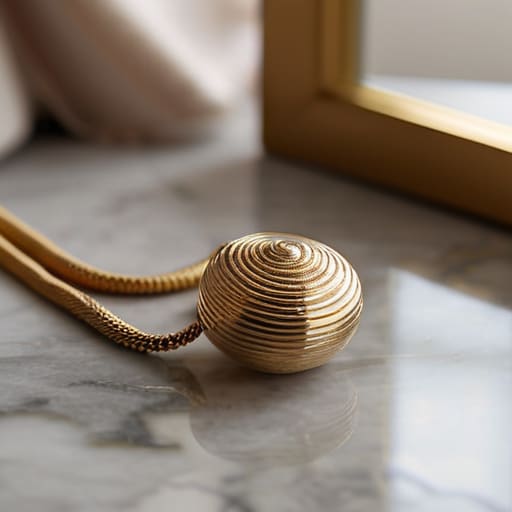
The biggest mistake I see is the “sale rack trap.” You see a chunky, gold-plated necklace for £5 and think you’ve won, but three wears later, the plating is flaking off and it’s sitting in your jewelry box looking like scrap metal. This is the opposite of quality over quantity in fashion. When you buy cheap, high-volume trinkets, you aren’t building a collection; you’re just managing clutter. Every time you buy something because it’s a “steal” rather than because it actually complements the weight of your winter coats or the neckline of your favorite shirts, you’re losing money in the long run.
Another massive blunder is ignoring the “wearability math.” People often get caught up in the hype of investment pieces vs trend items and buy a statement piece that only works with one specific, hyper-trendy outfit. If that accessory doesn’t work on a Tuesday morning when you’re rushing out the door in a plain jumper, it’s a bad buy. Stop chasing the “look of the week” and start looking for pieces with structural integrity—think solid clasps and fabrics that won’t fray after a month of being tossed in a handbag.
Final Thoughts
Look, I’m not asking you to go out and perform a massive wardrobe purge or spend a month’s rent on a single gold cuff. The whole point of curating a capsule accessory wardrobe is that it happens in the margins of your actual life—the random Tuesday when you realize your favorite sweater looks lonely, or that thrift store find that actually has a decent weight to it. It’s about slowing down the impulse to click ‘buy’ just because an algorithm told you a certain bead color is “in” this month.
At the end of the day, I want you to stop looking at accessories as disposable clutter and start seeing them as the structural support for your outfits. Focus on quality over quantity in fashion; I’d much rather see you wearing one pair of earrings that don’t turn your ears green by Friday than a drawer full of plastic junk. If you can do the math and prove that a piece will actually survive a year of your life, then it’s worth the space. Otherwise, leave it on the rack.
The "Don't Swipe Yet" Checklist
- Test the weight before you commit. If a necklace feels like a heavy-duty construction tool pulling on your neck after ten minutes, it’s not an “accessory,” it’s a physical liability. You want pieces that sit on your skin, not fight against it.
- Check the hardware finish against your daily rotation. If you realize you wear silver earrings every single day because they don’t clash with your favorite knits, stop buying gold-plated junk that’s just going to sit in a drawer gathering dust and turning green.
- Prioritize “structural” pieces over “decorative” ones. A belt with a decent leather thickness and a solid buckle is a workhorse; a beaded headband is a mood. Build your collection around the workhorses first—they do the heavy lifting for your silhouette.
- Do the cost-per-wear math on the spot. If that £40 scarf is made of a synthetic blend that’s going to pill after three wears, it’s actually more expensive than a £60 silk or wool one that lasts five years. I don’t care how “cute” the packaging is; look at the fiber content.
- Buy for the “Wednesday Version” of yourself, not the “Saturday Night” version. If you can’t wear the piece to a casual meeting or a grocery run without feeling like you’re wearing a costume, it’s not a staple; it’s a distraction.
The Math of the Trinket
Stop treating your jewelry box like a graveyard for impulse buys; a single heavy-gauge gold hoop that actually stays on your ears is worth more than ten pairs of ‘statement’ earrings that turn your lobes green by Tuesday. Build with weight and metal, not just because a mannequin looked cute wearing it.
Neve Okonkwo-Barr
The Long Game
At the end of the day, building an accessory collection isn’t about chasing every “must-have” piece that pops up on your feed; it’s about knowing your own hardware. We’ve talked about looking for weighty metals that won’t turn your skin green by Tuesday, checking that clasps actually function, and prioritizing pieces that bridge the gap between a Sunday brunch and a Wednesday meeting. Stop looking at your wardrobe as a series of holes that need filling with shiny new things. Instead, treat it like a puzzle where every belt, scarf, or earring needs to earn its place by being both durable and versatile. If you can’t do the cost-per-wear math on it, it’s probably just clutter in a pretty box.
Please, stop letting marketing departments convince you that your style is “incomplete” without their latest drop. Style isn’t something you buy; it’s something you curate through trial, error, and a lot of patience. A collection built slowly is a collection that actually belongs to you, not a trend cycle that will be landfill by next season. Focus on the pieces that make you feel steady, not just the ones that make you feel “on-trend.” When you stop rushing, you start actually seeing what you own, and that is where the real magic happens.
Frequently Asked Questions
How do I know if a cheap metal necklace is actually going to turn my neck green in three weeks?
Check the weight and the “clink.” If it feels like hollow plastic or makes a tinny, high-pitched sound, it’s likely a cheap base metal like copper or brass with a thin flash-plating. If it’s heavy and the clasp feels substantial, you’re safer. Most importantly, look for “stainless steel” or “sterling silver” on the hallmark. If it just says “gold-tone,” run. You’re paying for a green neck by week three.
Is it actually worth paying a tailor to fix a broken clasp or resize a ring, or should I just bin it?
Don’t bin it. Most people treat jewelry like fast fashion, but a broken clasp is a ten-minute fix for a jeweler, usually costing less than a decent lunch. Resizing a ring is also standard—just check the metal first. If it’s solid gold or sterling, fix it. If it’s cheap, mystery-metal plating that’s already flaking off, then yeah, let it go. The math only works if the base material can actually handle the repair.
How do I figure out if a vintage scarf is a "steal" or just a piece of old fabric that’s going to fall apart the first time I wash it?
Don’t just look at the pattern; look at the weave. Grab the edges and give them a gentle tug—if it sounds like paper tearing, walk away. Check the hem; if it’s a loose, machine-stitched edge, it’ll fray in a week. I look for natural fibers—silk, wool, cotton—because they actually have structural integrity. If it’s a mystery synthetic blend that feels like a plastic bag, it’s not a steal, it’s just future landfill.
