Stop listening to those “minimalist lifestyle” gurus who tell you that the secret to a better wardrobe is a complete purge and a massive, expensive reset. They make it sound like you need to buy a whole new set of beige linen trousers just to prove you’ve mastered how to stop impulse buying, and honestly, it’s a scam. I spent two years in a cramped basement studio pinning hems for brides who had more money than sense, and I can tell you: the problem isn’t that you need less stuff, it’s that you’re being tricked into buying things that don’t actually work for your life.
I’m not here to give you a lecture on willpower or tell you to delete your shopping apps. Instead, I’m going to show you how to look at a garment and see the math behind the fabric. I’ll teach you how to spot a cheap seam that will disintegrate by November, how to calculate if a “bargain” is actually a waste once you factor in the cost of a tailor, and how to build a closet that actually survives a rainy Wednesday. No hype, no “investment” buzzwords—just real-world logic for people who want clothes that actually fit.
Your Closet Isnt Empty Your Math Is Just Wrong
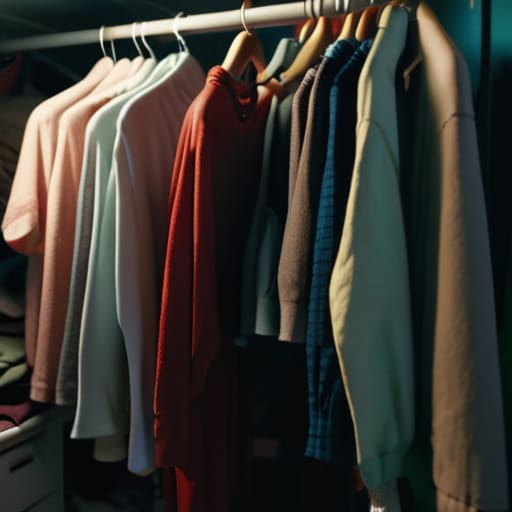
We need to talk about the “cost-per-wear” lie. You see a £40 polyester top on sale and think you’ve won, but if the seams pull after two washes and it sits weirdly under your arms, that’s not a bargain—it’s a donation to a landfill. Most of us fall into these emotional spending habits because we’re shopping for a feeling, not a garment. We buy the “vibe” of a person who has their life together, but we end up with a closet full of clothes that don’t actually work on a Tuesday morning when we’re rushing out the door.
The math fails because you aren’t calculating the hidden costs. I’m talking about the £15 you’ll eventually spend trying to get a tailor to fix a waist that’s too loose, or the mental energy spent staring at a pile of “nothing to wear” despite a bursting wardrobe. Instead of chasing that quick hit of dopamine, try some delayed gratification methods: leave the item in your basket for 48 hours. If you can’t visualize exactly which three items in your current closet it works with, leave it on the rack.
How to Stop Impulse Buying Without Losing Your Personality

The biggest lie we’re sold is that “finding your style” requires a constant stream of newness. It doesn’t. Most people I work with aren’t actually looking for a new blazer; they’re looking for a hit of dopamine because Tuesday was exhausting. When you realize that your shopping is actually just a way to manage a bad mood, you can start looking at retail therapy alternatives that don’t involve a credit card statement you’ll regret by Friday.
To keep your edge without the debt, you have to stop treating every “must-have” item like a personality trait. If you love maximalism or weird, sculptural shapes, you don’t need to buy every trend to prove it. Instead of a mindless haul, try using delayed gratification methods: put that item in your digital basket, walk away, and if you’re still thinking about the seam construction and the fabric weight in three days, then we can talk about the cost. It’s about moving away from emotional spending habits and moving toward a wardrobe that actually feels like you, rather than a collection of receipts.
Decoding the Emotional Spending Habits That Cost You Style

We need to talk about why you’re actually standing in that dressing room with a credit card in your hand. Most of the time, it isn’t about the garment; it’s about how you’re feeling. We use clothes as a temporary bandage for a bad Tuesday or a stressful deadline, falling into these emotional spending habits because a new silk blouse feels like a personality upgrade. But a blouse can’t fix a burnout, and it certainly won’t fix the guilt you’ll feel when you realize it’s made of cheap polyester that pills after one wash.
The trick to breaking the cycle is recognizing that the “high” of a purchase is incredibly short-lived, while the cost of the clutter is permanent. Instead of reaching for the checkout when you’re feeling low, try some delayed gratification methods—like the 48-hour rule. If you still want that blazer after two days, and more importantly, if you can calculate the cost of getting the waist taken in, then maybe it’s worth it. Real style comes from knowing yourself, not from using retail therapy alternatives that leave your bank account as empty as your sense of direction.
Retail Therapy Alternatives That Actually Fix Your Wardrobe
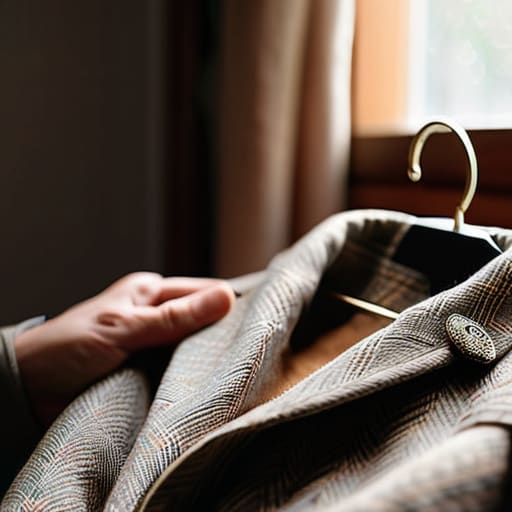
Instead of hitting “checkout” when you’re feeling low, try a closet audit with a seamstress mindset. When the urge to spend hits, go to your wardrobe and pull out that one item you love but never wear because the waist is too tight or the sleeves are too long. Instead of looking for something new, look for something to fix. Spending twenty quid at a local tailor to transform a “meh” blazer into your favorite piece provides a much higher dopamine hit than a cheap polyester top that will pill by next Tuesday. This is one of the most effective retail therapy alternatives because it actually results in a garment you can use.
If you can’t leave the house, use delayed gratification methods by creating a “Trial List.” When you see something online, write it down in a note on your phone with the date and the projected alteration cost. If you still want it in a week, and you’ve calculated that the fabric won’t disintegrate after two washes, then you can consider it. This forces you to move past the initial spike of emotional spending habits and actually look at the garment as a piece of construction rather than a momentary mood lifter.
Mastering Delayed Gratification Methods for a Better Fit
The “add to cart” button is designed to bypass your brain and hit your dopamine receptors before you’ve even checked the care label. To fight this, you need more than just willpower; you need actual delayed gratification methods that act as a circuit breaker. My favorite rule is the 72-hour cooling period. If you see a blazer that looks “life-changing,” walk away. If you are still thinking about the way the wool weight feels and how the shoulder seam aligns with your frame three days later, then—and only then—do you consider it. Usually, by day three, the urge has evaporated, and you’ve saved forty quid that can actually go toward a decent tailor.
Treat your shopping like a construction project rather than a scavenger hunt. Before you commit, run a mental cost-benefit analysis: does this piece work with at least three things you already own, and does it require a structural overhaul? Implementing these mindful consumption techniques turns shopping from an emotional reflex into a logical decision. It’s about moving away from the high of the purchase and toward the long-term satisfaction of a wardrobe that actually fits your life.
The Pre-Purchase Audit: 5 Ways to Stop the Impulse Cycle
- The “Three-Outfit Rule” Test. Before you tap your card, you need to mentally pair that item with three things you already own. If you’re buying a skirt that only works with one specific, expensive blouse you don’t have, you aren’t buying a garment; you’re buying a math problem you can’t solve.
- Check the Seam Allowance. When you’re in a rush, look at the inside. If the fabric is thin and the seams are raw or poorly finished, it’s going to lose its shape after three washes. An impulse buy that falls apart in a month isn’t a bargain, no matter how much you “saved” at the register.
- Calculate the “Alteration Tax.” If a piece looks amazing on the mannequin but fits poorly in the shoulders or waist, add the cost of a professional tailor to the price tag immediately. If that total number makes you wince, walk away. A “cheap” dress becomes an expensive mistake once you pay £25 to make it wearable.
- The 48-Hour Fabric Soak. If you’re eyeing something online, put it in your cart and close the tab. If you’re in a shop, leave the building. If you’re still thinking about the weight of the fabric and how it will actually feel against your skin two days later, then maybe it’s worth it. Most of the time, the dopamine hit fades, and you’ll realize you didn’t actually want the shirt; you just wanted the rush of buying it.
- Stop Shopping for “Someday” Bodies. Never impulse buy something because you think, “I’ll wear this when I’ve lost five kilos” or “This is perfect for a wedding next summer.” Buy for the body you have on a random Tuesday in November. If it doesn’t work for your current life, it’s just clutter waiting to happen.
The Cost of the "Maybe"
“Stop asking yourself if you like the item; start asking if you like the version of yourself that can afford the alterations to make it actually fit. If you can’t see the seam allowance in your head and the math in your bank account, leave it on the rack.”
Neve Okonkwo-Barr
The Bottom Line (And the Math)
At the end of the day, stopping impulse buys isn’t about deprivation; it’s about moving from a reactive shopper to a proactive curator. You’ve learned to look past the marketing fluff, to question whether a fabric can actually survive a washing machine, and to realize that a “bargain” is actually a loss if it requires a £40 alteration just to make it sit right on your shoulders. We’ve covered how to spot the emotional traps and why delayed gratification is the most effective tool in your kit. Remember: your wardrobe shouldn’t be a graveyard of “what if” items that only look good on a mannequin. It should be a collection of pieces that actually work for your life on a Tuesday morning.
Stop letting the industry convince you that your identity is something you can purchase in a single transaction. Style isn’t a destination you reach by emptying your savings account; it’s the quiet confidence of knowing exactly how your clothes feel against your skin and how they move when you walk. When you stop chasing the dopamine hit of a new package arriving, you finally start seeing the value in what you already own. Build a closet that respects your budget and your body, and I promise you, you will never feel like you’re running out of things to wear.
Frequently Asked Questions
If I find a piece at a charity shop that's a steal but needs a full reconstruction, how do I decide if the alteration cost actually makes it a bargain?
Do the maths before you hit the till. Take the price tag, add the cost of a decent tailor, and compare that total to what a new version of the same quality would cost. If you’re paying £5 for a jacket but £40 to rebuild the shoulders, you haven’t found a steal; you’ve bought a project. Unless the fabric is high-end wool or heavy silk, that “bargain” is just an expensive way to procrastinate.
How can I tell if a fabric is actually high-quality enough to justify the price, or if I'm just being tricked by a fancy label?
Stop looking at the brand name and start looking at the composition tag. If it’s a “luxury” blend of 60% polyester and 40% viscose, walk away; that’s just expensive plastic that will pill by Tuesday. Look for natural fibers—cotton, wool, linen, silk—and check the weight. Give it a gentle tug; if the weave shifts or looks thin, it won’t survive a single season of real life. If the seams are puckering on the hanger, the fabric is garbage.
I know I should wait before buying, but how do I handle that specific urge to shop when I'm feeling stressed about my actual life?
Look, I get it. When life feels like a mess, buying a new silk blouse feels like buying a version of yourself that actually has her life together. But that’s a lie. A new garment won’t lower your cortisol; it’ll just add a $40 alteration fee to your stress list. Instead of hitting “checkout,” go find that one piece you already own that fits perfectly. Fix it, steam it, or just wear it. Ground yourself in what actually works.
