Stop listening to those “luxury travel” influencers who tell you that the secret to security is a designer monogrammed leather pouch that costs more than my monthly studio rent. Honestly, most of that high-end luggage is just expensive marketing with zippers that will snag the moment you hit a cobblestone street in Rome. If you’re trying to figure out how to travel with valuables, don’t let a brand name convince you that a heavy, gold-plated trinket is a safe bet; real security isn’t about how much your bag costs, it’s about the structural integrity of your gear and how much attention you’re drawing to yourself.
I’m not here to sell you a lifestyle or a specific brand of “security tech” that’s just a glorified paperweight. I’m going to give you the actual logistics: which fabrics actually resist slash-and-grab attempts, why your “security” jewelry is a magnet for trouble, and how to organize your most precious items so they don’t become a logistical nightmare at customs. I’ll show you how to protect your stuff without looking like you’re hiding a heist in your carry-on.
Understanding How to Travel With Valuables
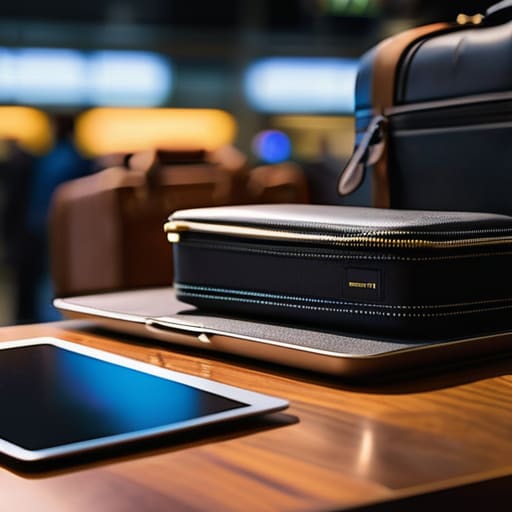
First, let’s get one thing straight: “valuable” doesn’t just mean the diamond ring your mother gave you. It’s your laptop, your tablet, and that specific pair of noise-canceling headphones that make a six-hour flight bearable. When I’m prepping a client for a trip, I look at their kit like a tailor looks at a seam—I’m looking for the weak points. Most people make the mistake of thinking their “expensive” items are safe just because they’re in a designer bag, but a high-end leather tote is no match for a pickpocket in a crowded terminal.
You need to categorize your gear by its vulnerability. For the hard stuff, like your tech, I’m a firm believer in storing electronics in carry-on only. Never, under any circumstances, let a checked bag hold your life’s work or your primary camera. For the delicate bits, like gold or heirloom pieces, don’t just toss them in a makeup bag. I suggest using a small, padded jewelry roll that can tuck into a hidden internal pocket. If you’re moving large amounts of liquid assets, look into safe ways to transport cash—specifically, a slim, RFID-blocking pouch that stays on your person, not in your suitcase.
Key Things to Know
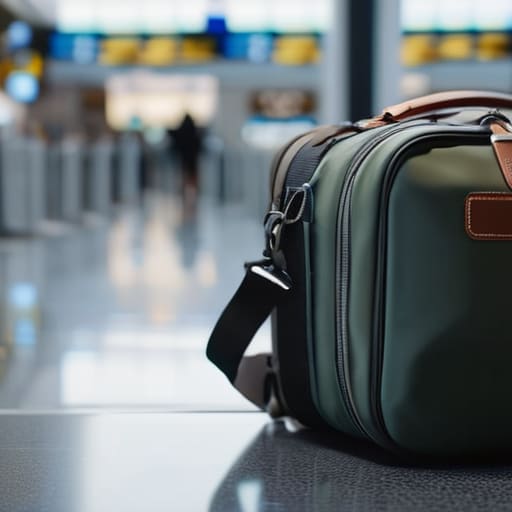
First, let’s talk about the physical reality of your gear. If you are carrying a laptop or a high-end camera, do not—under any circumstances—toss them into a checked bag. Beyond the obvious risk of a baggage handler treating your suitcase like a football, the temperature fluctuations in a plane’s hold are brutal on batteries. You need to focus on storing electronics in carry-on where they stay stable and, more importantly, under your direct supervision. If a zipper feels like it’s going to snap just by looking at it, that bag isn’t going to protect your tech during a frantic sprint through Terminal 5.
Then there is the jewelry. I see people wearing heavy gold chains or chunky statement pieces through customs like they’re trying to get noticed. Stop that. If you’re protecting jewelry while traveling, the goal is to make it look like nothing is happening. Keep the expensive pieces in a hard-shell case tucked deep inside your personal item, not sitting in a mesh pocket of a backpack. Also, check your policy fine print; most standard travel insurance for expensive items has a “per item” cap that is embarrassingly low. If your watch costs more than a month’s rent, you need to know if you’re actually covered before you leave the house.
Practical Tips and Steps
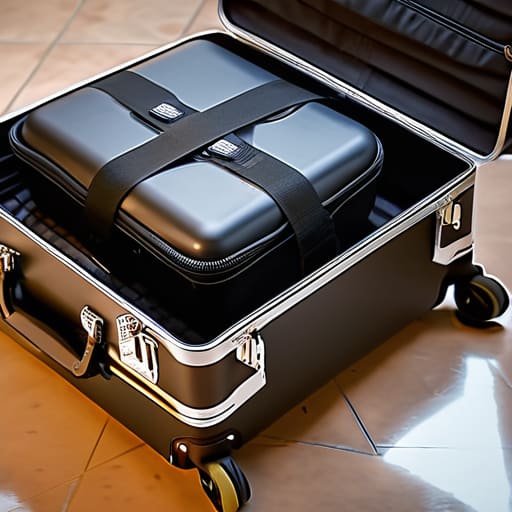
First, let’s talk about the physical logistics, because a flimsy bag is just an invitation for trouble. If you’re carrying anything high-stakes, like a laptop or a heavy camera, you need to be storing electronics in carry-on bags that actually have structure. Don’t just shove them into a soft, unstructured tote; if someone bumps you in a crowded terminal, that screen is toast. I always tell my clients: if the item is expensive, the bag holding it needs to be tougher than the item itself.
When it comes to the smaller stuff, stop trying to be clever with hidden pockets in your jeans—they’re the first place a pickpocket looks. For protecting jewelry while traveling, skip the bulky velvet boxes that scream “I have gold inside.” Instead, use a small, padded pouch that looks like a mundane tech accessory or a basic toiletry bag. And please, for the love of everything, check your policy on travel insurance for expensive items before you leave the house. Most standard plans have a “single item limit” that won’t cover a designer watch or a high-end lens, so do the maths on your coverage before you’re standing at a customs desk realizing you’re unprotected.
Common Mistakes to Avoid
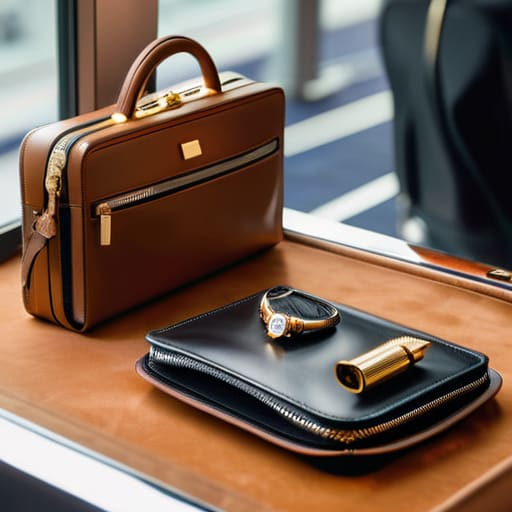
The biggest mistake I see is people treating their high-end pieces like they’re indestructible. I’ve seen people shove a heavy gold necklace into a velvet pouch and toss it into a checked bag, thinking it’s “out of sight, out of mind.” It isn’t. If you aren’t storing electronics in carry-on bags or keeping your precious metals in your personal item, you are essentially gambling. A checked bag can be lost, tossed, or—heaven forbid—opened. If it’s worth more than the cost of a decent dinner, it stays with you, physically attached to your person or tucked in a bag that never leaves your feet.
Another massive blunder is the “illusion of security.” People think that because they have a fancy suitcase, they’re fine, but they completely ignore the fine print of their travel insurance for expensive items. Most standard policies have a “single item limit” that is laughably low. If you’re carrying a designer watch or a high-spec camera, check those limits first. Don’t wait until you’re standing in a terminal realizing your “protection” wouldn’t even cover the strap. Read the math before you pack the bag.
Final Thoughts
At the end of the day, your gear and your jewelry are just tools for your life, not just aesthetic choices. Whether it’s a vintage watch that actually holds its value or the laptop you need to run your business, treating them with a bit of practical respect saves you a massive headache later. I’m not saying you need to live in a state of constant paranoia, but please, stop being casual about protecting jewelry while traveling. If you wouldn’t leave a stack of cash sitting on a cafe table, don’t leave your expensive accessories in an unzipped backpack.
If you’ve done the work—checked your pockets, organized your carry-on, and actually read the fine print on your travel insurance for expensive items—you’ve already done more than most. Style is about confidence, and it’s a lot easier to feel put-together when you aren’t constantly checking your shoulder to see if your bag is still there. Pack smart, trust your gut, and remember: if a piece is too precious to lose, it shouldn’t be an afterthought in your luggage.
The 'No-Nonsense' Checklist for Keeping Your Good Stuff Safe
- Stop checking your expensive jewelry in your suitcase. I don’t care how much “security” the airline claims to have; once that bag hits the conveyor belt, it’s out of your hands. Keep the heavy hitters—the rings, the heirloom pieces, the stuff that actually matters—in a small, discreet pouch inside your personal item. If it’s on your person, it’s safe.
- Check your hardware before you leave. If you’re bringing a designer bag or a high-end leather piece, look at the zippers and the strap attachments. If the metal feels light or “tinny,” it’s going to snag or snap under the pressure of a crowded terminal. A broken zipper on a piece you love is a nightmare you don’t need when you’re trying to navigate a foreign customs line.
- Don’t be a walking target with “loud” luxury. I’m not saying don’t wear your nice things, but if you’re wearing a logo-heavy belt and a watch that costs more than my car, you’re basically broadcasting your itinerary to every pickpocket in the station. Blend the high-value pieces with sturdy, practical fabrics like heavy denim or wool. It’s much harder to spot a thief when they just look like another traveler in a decent trench coat.
- Use the “Fabric Test” for your travel tech pouches. If you’re carrying expensive cables, power banks, or hard drives, don’t just toss them in a loose pocket. Get a padded, structured organizer. If the pouch has zero structure, your tech is going to get crushed by the weight of your passport or a water bottle, and a cracked screen is just as bad as a stolen one.
- Treat your documents like they’re part of your outfit. A flimsy, cheap plastic sleeve for your passport is a recipe for a tear or a spill. Get a slim, durable, water-resistant holder. It costs about the same as a decent latte, but it protects the one piece of paper that actually gets you home if everything else goes sideways.
## The real cost of 'looking the part'
Stop trying to look like a Pinterest board while you’re moving through a terminal; if you’re wearing a heavy, vintage silk blazer just to signal wealth, you’re actually just making yourself a target and risking a ruined seam. Real luxury is having your most expensive pieces tucked into a bag that actually zips, because a stolen heirloom is a lot harder to fix than a broken zipper.
Neve Okonkwo-Barr
The Bottom Line
At the end of the day, traveling with your good stuff isn’t about being paranoid; it’s about being prepared so you don’t spend your entire holiday staring at a security desk. Remember that the most expensive piece in your suitcase is useless if the zipper is cheap or the fabric is too delicate to survive a cramped overhead bin. Prioritize structural integrity—check your seams, test your locks, and keep your high-value items in things that actually feel substantial in your hand. If you wouldn’t trust a flimsy, unlined tote to carry your groceries, don’t trust it to carry your heirloom jewelry or your tech. It’s all about managing the logistics before you even leave the house.
I know the industry tries to sell us this idea that “traveling in style” means lugging around unmanageable designer trunks that make you a walking target. It’s a lie. Real style is having the confidence to move through an airport without constantly checking over your shoulder. When you invest in gear that is built to last and organized with intention, you aren’t just protecting your belongings; you are protecting your peace of mind. Stop worrying about the aesthetic of the bag and start focusing on the utility of the hardware. Travel well, dress for the reality of the journey, and keep your valuables exactly where they belong: safe and sound.
Frequently Asked Questions
If I’m wearing my most expensive jewelry or a designer watch to avoid packing it, how do I stop it from getting snagged or damaged in transit?
Look, I get the logic—if it’s on your body, it’s “safe.” But a crowded terminal is basically a minefield of snagging opportunities. If you’re wearing a delicate chain or a high-end watch, don’t just hope for the best. Tuck necklaces inside your shirt or under a structured layer so a passing shoulder bag doesn’t rip them out. For watches, avoid chunky knit sweaters that trap the links; stick to smooth fabrics to prevent scratches.
Is it actually worth paying for a high-end, reinforced travel case, or should I just focus on how I distribute the weight in my carry-on?
Look, don’t let a brand charge you a “luxury tax” for a polycarbonate shell that’s mostly just marketing. If the zipper feels like it’ll split under the slightest pressure, that expensive case is a write-off. Spend your money on a sturdy, mid-range bag with reinforced seams and actual metal hardware. Then, focus on the physics: distribute the weight centrally so your bag doesn’t sag and tear itself apart mid-transit. Fit and function over logos.
How do I handle high-value items if I have to check a bag due to airline restrictions—is there a way to secure them that doesn't involve just "hoping for the best"?
Look, if you’re checking a bag, you’ve already lost the battle of “security,” so stop playing games. Never pack jewelry loose; it’s an invitation for a thief to shake the bag and hear a clink. Use a hard-shell tech pouch or a heavy-duty toiletry case. If it’s a sentimental piece, sew a small, reinforced internal pocket into the lining of a heavy coat—something that stays on you, not in the hold.
