I spent three years in a basement studio watching people pour hundreds of pounds into “investment” silk slips, only to have them ruined by a single spilled glass of red wine or a snagged thread on a subway turnstile. The fashion industry loves to sell you on the prestige of owning high-end items, but they are remarkably quiet about the actual math of maintenance. Most people think they can just add a few items to their standard renter’s insurance and call it a day, but if you don’t actually understand how to insure valuable pieces, you aren’t protecting your wardrobe—you’re just performing a ritual of false security.
I’m not here to sell you a premium policy or some vague idea of “luxury lifestyle” coverage. Instead, I’m going to show you how to look at your closet like a professional would: by assessing the replacement cost versus the actual utility. We’re going to talk about the specific paperwork you need for that vintage Chanel blazer, why your current policy probably has a “limit per item” that will leave you gutted, and how to decide which pieces are worth the paperwork and which ones are just expensive fabric.
Understanding How to Insure Valuable Pieces
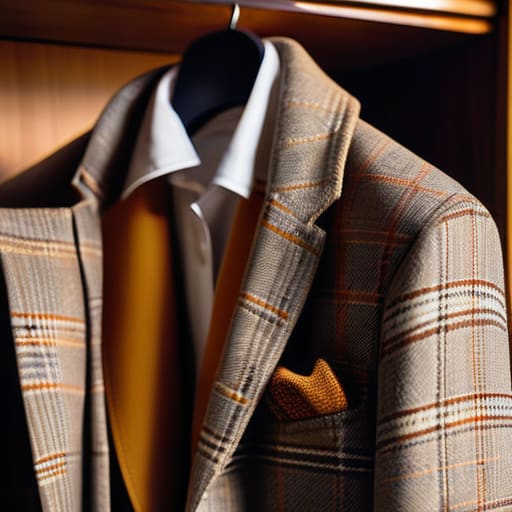
Look, I’m not going to tell you that every vintage blazer you find in a charity shop needs a policy, but if you’ve finally tracked down that archival piece that actually fits your shoulders, you need to treat it differently. Standard homeowners or renters insurance is great for your sofa, but it’s usually rubbish when it comes to the fine details of a wardrobe. Most policies have a “sub-limit” for clothing, which means if your designer coat gets stolen, they might only pay out a fraction of what you actually spent. To avoid that headache, you should be looking into scheduled personal property insurance. This is where you list the specific item on your policy so it’s covered for its actual worth, not just a generic estimate.
The catch is that you can’t just tell an insurer, “I bought this for a grand.” They’re going to want receipts or, more likely, appraisal certificate requirements to be met before they even blink. If you’re serious about protecting high-value collectibles or those rare silk pieces that cost more than my monthly rent, start inventorying precious items now. Take high-res photos of the labels, the stitching, and the fabric grain. If you can’t prove the condition and the cost, you’re basically just gambling with your closet.
Key Things to Know
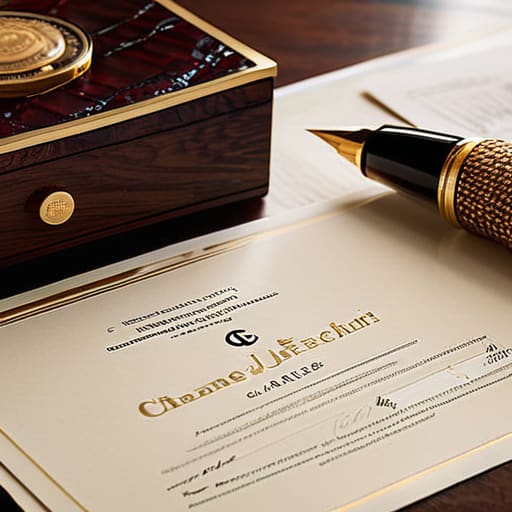
First, let’s talk about the paper trail. If you think a receipt from a high-street retailer is enough to prove your vintage Chanel blazer is actually authentic, I have bad news for you. Most providers are going to demand appraisal certificate requirements before they even look at your file. You need a professional to vouch for the item’s value, not just your memory of what you paid in 2019. I tell my clients: if you can’t prove it exists and what it’s worth, you’re just holding onto expensive fabric with zero safety net.
Second, stop assuming your standard renter’s or homeowner’s policy has your back. Most of those “all-in” plans have a tiny, insulting cap on individual items. If you’re inventorying precious items like a heavy silk gown or a designer bag, you likely need scheduled personal property insurance. This is where you list the specific item, its value, and its details separately. It costs a bit more upfront, but it’s the only way to ensure that a spilled glass of red wine or a snagged seam doesn’t become a total financial disaster.
Practical Tips and Steps
First things first: stop assuming your standard renter’s or homeowner’s policy has your back. Most of them have a “sub-limit” for jewelry or luxury goods that is frankly insulting—think a few hundred quid when you’re looking at a four-figure silk blazer or a designer bag. If you want real peace of mind, you need to look into scheduled personal property insurance. This isn’t about general “stuff”; it’s about naming the specific item, its value, and its unique quirks so there’s no arguing later.
Before you even pick up the phone to call an agent, you need to start inventorying precious items like you’re preparing for a museum heist. I’m talking high-res photos of the construction—check those seams, the hardware, and the fabric grain. If it’s a high-end piece, don’t skip the appraisal certificate requirements; an insurance company won’t care how much you paid on a receipt if you can’t prove the current replacement value. It’s a bit of a chore upfront, but it’s the only way to make sure the math actually works when you need it most.
Common Mistakes to Avoid

The biggest mistake I see is the “it’s fine, I’ll do it later” approach to inventorying precious items. People treat their wardrobe like a junk drawer until something actually happens—a spilled glass of red wine on a vintage silk slip or a snagged hem on a designer coat. If you don’t have a digital trail of photos and receipts, you aren’t actually covered; you’re just hoping for the best. Hope is not a financial strategy, and it certainly won’t satisfy an adjuster during the insurance claim process for valuables.
Another trap is assuming your standard renter’s or homeowner’s policy is a catch-all. It isn’t. Most basic plans have a “ceiling” for single items that is embarrassingly low. If you’ve spent three months’ rent on a structured wool blazer, a standard policy might only pay out a fraction of its worth. This is where people get stung. You need to look specifically into scheduled personal property insurance for those standout pieces. If you can’t show me the math on how your current policy protects your specific fabric investments, you’re essentially walking around unprotected.
Final Thoughts
At the end of the day, my goal isn’t to make you spend more money; it’s to make sure the money you’ve already spent on quality pieces actually stays useful. We spend so much time obsessing over seam allowances and fabric durability, but if you aren’t inventorying precious items and documenting their worth, you’re leaving your wardrobe vulnerable to a single bad night out or a spilled glass of red. Style is about longevity, and that includes the paperwork.
Don’t let the jargon intimidate you into doing nothing. Whether you’re looking into scheduled personal property insurance for a vintage silk piece or just trying to figure out if a designer bag is worth the premium, remember that the math has to make sense. If the cost of the policy outweighs the actual replacement value of the item, walk away. But if you’ve found that one perfect, heavy-weight wool coat that fits like a second skin, treat it like the asset it is. Protect it, document it, and then go out and actually wear it.
The math of protecting your wardrobe: 5 ways to avoid getting fleeced
- Stop relying on “replacement value” as a buzzword. If you’re insuring a vintage silk slip dress, the insurance company doesn’t care that it’s “special”; they care about the market value of a similar item. If you can’t produce a receipt or a comparable sale price, you aren’t insured, you’re just hoping.
- Document the construction, not just the label. A brand name might get you halfway there, but a photo of the hand-rolled hem, the weight of the heavy silk crepe, or the specific grain of the leather tells the real story of what that piece is worth. If it’s a “forever piece,” your evidence needs to be as high-quality as the stitching.
- Check your “all-risks” vs. “named perils” fine print. There is a massive difference between being covered for a house fire and being covered because you spilled red wine on a cream cashmere knit during a Tuesday night dinner. If your policy doesn’t cover accidental damage, you’re essentially paying for a safety net with giant holes in it.
- Don’t let your premium exceed the logic of the garment. If you are paying £200 a year to insure a jacket that cost £500, the math is broken. You are better off sinking that premium money into a high-quality repair or a better fabric for your next purchase. Insurance should protect wealth, not subsidize bad spending.
- Separate your “everyday” from your “archival.” Don’t try to lump your work trousers in with your heirloom jewelry in one giant, vague policy. High-value items—the ones with serious seam allowances and rare textiles—need their own specific line item. If everything is “valuable,” then nothing is.
The cost of a mistake
Stop treating your vintage silk or that bespoke blazer like it’s just another piece of fabric; if you haven’t checked if your policy actually covers the cost of a specialist restoration, you aren’t protected, you’re just hoping for the best.
Neve Okonkwo-Barr
The Bottom Line on Your Wardrobe
Look, at the end of the day, insuring your clothes isn’t about being precious; it’s about being smart with your overhead. We’ve gone through the math: you need to know exactly what your pieces are worth, keep your receipts (or digital scans) in a place that won’t vanish in a flood, and understand that standard home insurance is often a trap when it comes to high-value textiles or fine jewelry. If you aren’t checking the fine print on your policy limits, you’re essentially just hoping for the best, and hope is not a sustainable way to protect a collection. Whether it’s that vintage silk piece that survived a decade in a cedar chest or the designer coat that actually fits your shoulders perfectly, protecting the value is just another part of ownership.
My grandmother used to say that if you take care of your things, they’ll take care of you, but she also knew that life is messy and accidents happen. You can spend a lifetime perfecting your silhouette and finding the exact seam allowance that makes a garment feel like a second skin, but you can’t control a spilled glass of red wine or a lost suitcase. Don’t let the fear of loss stop you from wearing your favorite pieces, but don’t let the lack of a plan make you reckless either. Build a wardrobe that makes you feel invincible on a Wednesday, and make sure the math protects it so you can keep wearing it for years to come.
Frequently Asked Questions
If I've already spent £40 on a tailor to fix the drape of this vintage silk blazer, does that extra cost count towards the item's insured value?
Technically, no—most insurers want to see the receipt for the item itself, not the labor you spent making it actually wearable. They cover the “asset,” and to an insurance company, a blazer with a perfect drape is just a blazer. However, if that £40 alteration involved replacing original vintage hardware or specialized structural repairs, you might have a case for “restoration.” Always keep your tailoring receipts, though; they’re proof of the item’s condition and value.
Does my standard renter's or homeowner's insurance actually cover a spilled glass of red wine on a designer piece, or am I just paying for nothing?
Short answer: No, you’re likely paying for nothing in that scenario. Standard policies usually cover “perils”—think fire, theft, or a burst pipe—not your own clumsiness with a Merlot. If you drop a glass of wine on a silk slip dress, your renter’s insurance isn’t going to cut you a check for the dry cleaning or the replacement. For the high-end stuff, you need a specific rider or specialized coverage. Don’t assume you’re protected just because you’re paying a premium.
If I buy something from a charity shop that looks high-end, how do I prove its worth to an insurer without a receipt from a luxury boutique?
This is the charity shop archaeology problem. You find a gorgeous vintage blazer with a construction that screams high-end, but you’ve only got a crumpled £15 receipt. To prove its worth, stop looking for a sales slip and start looking for evidence. Photograph the labels, the heavy-weight fabric, and those specific seam allowances I’m always obsessing over. Find a similar piece online to show the market value. If you can document the quality, you can prove the math.
