I once spent three hours in a dimly lit basement studio, squinting through a magnifying lamp at a “vintage” Chanel flap bag that a client had brought in, convinced it was a generational treasure. I could smell the synthetic glue from across the room before I even touched the leather. It wasn’t just a bad knockoff; it was a masterclass in how marketing uses shiny logos to distract you from terrible construction. Most people think learning how to authenticate a designer item requires a secret membership to an elite club or a massive certificate, but honestly? That’s just more noise designed to keep you spending.
I’m not here to give you a lecture on brand history or tell you to trust a “verified” sticker. I’m going to show you how to look at the actual math of the garment—the weight of the hardware, the tension of the stitching, and whether that “luxury” leather feels like real skin or a cheap plastic mistake. We are going to look at the seams, the linings, and the tiny details that a scammer can’t fake without spending more than the bag is worth. By the end of this, you’ll know exactly when a piece is a genuine find and when it’s just an expensive lesson in bad manufacturing.
Understanding How to Authenticate a Designer Item
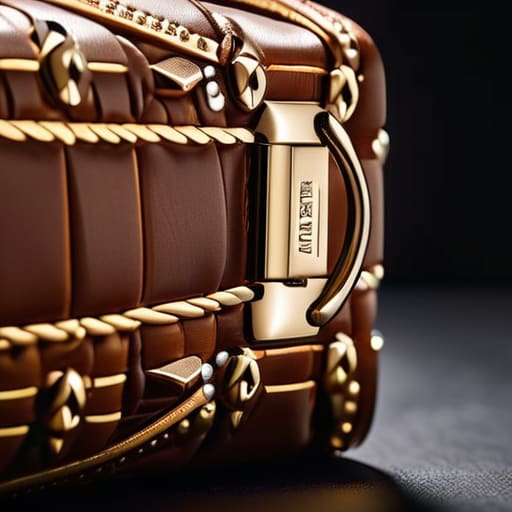
Look, if you’re expecting a magic wand that glows when you touch a real Chanel, I’ve got bad news. Authenticity isn’t a vibe; it’s a forensic investigation of the hardware and the tension in the stitching. When I’m looking at authentic vs fake luxury goods, I start with the things marketing teams try to hide: the underside of the lining and the weight of the zippers. A counterfeit might have the right logo, but it will almost always fail the designer craftsmanship quality indicators test. Real luxury feels intentional. The stitching won’t be wavy, the thread won’t look like it’s screaming under tension, and the leather won’t smell like a chemical factory.
Next, you have to get granular. I’m talking about the luxury item serial number check—and no, just seeing a number stamped on a leather tab isn’t enough. You need to check the font, the depth of the stamp, and whether that number actually exists in the brand’s historical archives. If the number looks like it was typed on a home printer rather than heat-stamped by a professional, put it back on the shelf.
Key Things to Know
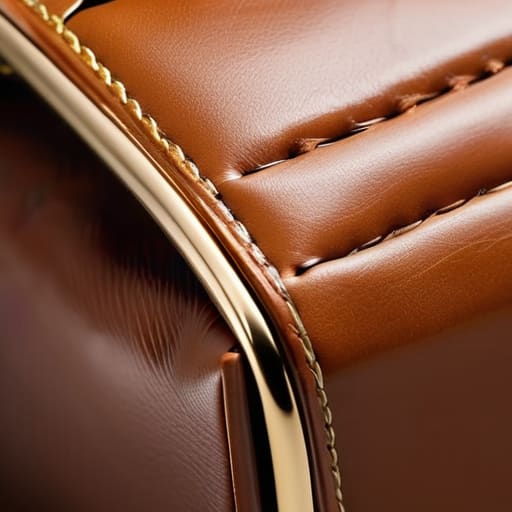
First, stop looking at the logo. I know, it’s the first thing your eyes jump to, but a high-quality fake can mimic a print perfectly. Instead, look at the structural integrity. I’m talking about the weight of the hardware and the way the leather meets the stitching. In real designer craftsmanship quality indicators, you won’t see loose threads or uneven spacing between stitches. If the metal feels light or “tinny” when you tap it, or if the zipper catches halfway up, walk away. A luxury house spends more on the tension of their thread than most people spend on their rent; if the sewing looks rushed, it’s a scam.
Next, get clinical with the details. Most people skip the luxury item serial number check because they’re afraid of looking like they don’t know what they’re doing, but you shouldn’t. Check the heat stamps and the font. Counterfeiters often mess up the kerning—the tiny space between letters—or use a font that’s just a hair too bold. If you’re looking at a bag, check the lining. A real piece is as beautiful on the inside as it is on the outside, whereas fakes often use cheap, thin polyester that feels like a grocery bag.
Practical Tips and Steps
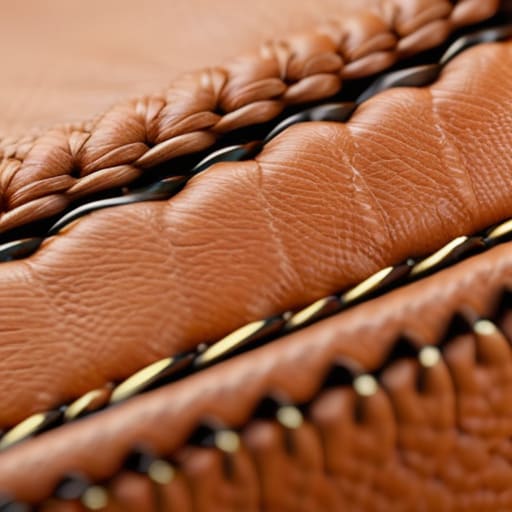
First, grab a magnifying glass—or just use your phone’s macro lens—and look at the stitching. This is where the truth lives. Real luxury isn’t just about a logo; it’s about the tension and consistency of the thread. If you see loose ends, uneven spacing, or a thread that looks like it was pulled from a generic sewing kit, walk away. I spend my days looking at seam allowances, and I can tell you that high-end houses don’t leave messy edges. When you’re performing your own designer craftsmanship quality indicators check, look for how the leather meets the stitching. It should be seamless and intentional, not a frantic struggle to hide a raw edge.
Next, do the boring stuff: the paperwork and the metal. A luxury item serial number check is non-negotiable, but don’t just look for the number—look at how it’s applied. Is it a stamped, crisp engraving, or does it look like it was scratched on with a nail? Check the weight of the hardware, too. Real zips and clasps have a specific, heavy heft. If the “gold” looks like it’s going to flake off by next Tuesday, it’s not an investment; it’s just expensive scrap metal.
Common Mistakes to Avoid
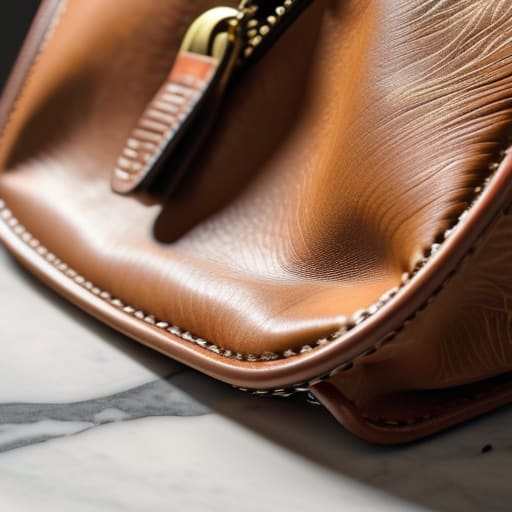
The biggest mistake I see people make is falling in love with the “vibe” of a piece before they’ve actually looked at how it’s put together. You see a beautiful silhouette on a vintage site and your brain just shuts off the critical thinking part. Please, stop. A heavy logo is not a substitute for quality. I’ve seen “designer” pieces with logos that look perfect from five feet away, but the moment you touch them, you realize the designer craftsmanship quality indicators—like the tension in the stitching or the weight of the hardware—are completely absent. If the leather feels like it’s coated in plastic or the edges are fraying right out of the box, it doesn’t matter how much the brand name says it’s worth; it’s a dud.
Another trap is skipping the boring stuff, like the luxury item serial number check. People get so caught up in the aesthetic that they forget to verify the technicalities. If the font on the heat stamp looks slightly “off” or the spacing is uneven, trust your gut and walk away. Don’t let a pretty photo bypass your common sense.
Final Thoughts
Look, at the end of the day, no amount of scrolling through TikTok tutorials is going to replace your own intuition and a bit of healthy skepticism. If a “deal” feels too good to be true, it’s because it usually is. Whether you are navigating the luxury resale authentication process on a secondhand app or standing in a boutique, remember that true value isn’t in the hype—it’s in the construction. I’ve spent enough hours hunched over a sewing machine to know that a fake can mimic a logo, but it can almost never mimic the integrity of a hand-finished seam or the weight of high-grade hardware.
Don’t let the pressure to own something “iconic” override your common sense. If you can’t verify the designer craftsmanship quality indicators like the stitch tension or the lining’s edge-painting, walk away. It is much cheaper to miss out on a “steal” than it is to realize you’ve spent your hard-earned money on a beautiful lie. Invest in things that actually last, and if you do buy high-end, make sure you’re buying the quality of the maker, not just the name on the tag.
The "Neve Checklist" for Not Getting Scammed
- Stop staring at the logo and start looking at the stitching. A high-end brand isn’t going to have loose threads, uneven tension, or “bird’s nesting” on the underside of a seam. If the stitching looks like it was done by someone rushing to catch a bus, it doesn’t matter how much they’re charging for it—it’s a fake.
- Feel the weight of the hardware. Real luxury zippers and clasps have a specific, heavy heft to them. If the metal feels light, hollow, or “tinny,” or if it scrapes against itself with a screeching sound rather than a smooth glide, walk away. Cheap plating peels; real brass and gold-tone hardware stays solid.
- Check the “Hand” of the fabric. This is what my grandmother taught me. Real silk, heavy wool, or genuine leather has a specific way of draping and a certain temperature to the touch. If a “designer” jacket feels like it’s made of recycled soda bottles or has that weird, shiny polyester sheen that screams “fast fashion,” the label is lying to you.
- Look for the seam allowance. In high-end construction, there is usually enough fabric inside the garment to allow for minor adjustments. If the seams are raw, fraying, or so tight that there’s zero room for a tailor to work with, it was mass-produced in a factory that doesn’t care about longevity.
- Do the math on the “too good to be true” price. If you see a vintage Chanel flap bag for the price of a weekend brunch, it’s not a steal—it’s a scam. Real luxury holds its value because of the materials and the craft. If the price doesn’t reflect the actual cost of the labor and the leather, you aren’t getting a bargain; you’re paying for a very expensive lesson.
Forget the Logo, Look at the Stitching
A logo is just ink and marketing, but a seam is a promise. If you’re staring at a ‘designer’ bag and the stitching looks like it was done by someone rushing to catch a bus, or the hardware feels like hollow plastic, it doesn’t matter how much the brand name costs—it’s a fake. Real luxury isn’t about the name on the tag; it’s about the weight of the leather and the fact that the thread doesn’t fray the second you pull it through a loop.
Neve Okonkwo-Barr
The Bottom Line
At the end of the day, authenticating a designer piece isn’t about memorizing a brand’s entire history; it’s about trusting your eyes and your hands. You need to look past the marketing gloss and focus on the mechanical reality of the item. Check the weight of the hardware, run your fingers over the stitching to ensure it isn’t fraying or uneven, and never, ever ignore a logo that looks like it was printed on rather than embossed. If the seam allowance is non-existent or the fabric feels like thin polyester when it should be heavy silk, walk away. Remember, a “deal” that turns out to be a fake is just an expensive way to feel cheated, and no brand name is worth losing your hard-earned money over.
My goal isn’t to make you a professional authenticator, but to make you a smarter consumer. Style isn’t about owning every single thing that comes out of a luxury atelier; it’s about owning things that actually last. Whether you are hunting through a high-end resale site or digging through a vintage boutique, use these tools to build a wardrobe that stands up to scrutiny. You deserve clothes that hold their shape and their value long after the trend dies down. Stop chasing the status and start chasing the quality, because a well-made, authentic piece—even if it’s second-hand—will always outwork a counterfeit every single time.
Frequently Asked Questions
If I find a vintage designer piece at a charity shop that looks perfect but is missing the authenticity cards or dust bag, is it still worth buying?
If the stitching is straight and the fabric doesn’t feel like cheap polyester, yes. Dust bags and cards are just paper and cloth; they aren’t the item itself. I’ve seen “authentic” bags with missing cards that are total fakes, and genuine vintage pieces that look like they’ve lived a hard life. Check the hardware weight and the seam allowance instead. If the construction holds up, buy it. The real “investment” is the piece, not the packaging.
How much should I actually budget for a professional authentication service versus just trusting my own eyes on the stitching?
Look, if you’re buying a £50 vintage blazer, don’t spend £100 on a certificate; just check if the pattern matches the seams. But if you’re dropping a month’s rent on a Chanel flap, trust your eyes as little as you can. Professional authentication usually runs anywhere from £30 to £150 depending on the item. It feels steep, but that’s cheaper than a counterfeit mistake. If the math doesn’t add up, don’t buy it.
Can a high-quality "superfake" actually fool a professional tailor, or are there specific structural tells like seam allowance and fabric weight that always give them away?
A “superfake” might trick a casual eye, but it rarely survives a close-up from someone who spends their life inside a garment. Most fakes prioritize the surface—the logo, the print, the hardware—but they cheat on the bones. They use thin, unstable fabrics that don’t hold a crease, and the seam allowances are often razor-thin to save on material. To me, a garment’s soul is in its construction, and that’s where the math fails.
