If I see one more “aesthetic” wardrobe reel telling you that you need a specialized, expensive acrylic organizer to keep your wardrobe looking Pinterest-perfect, I might actually scream. It is such a scam. Most of those organizers are just more plastic clutter that doesn’t actually solve the physics of gravity. The truth is, if you’re hanging your heavy wool jumpers on wooden hangers, you aren’t “styling” your closet; you are actively destroying your clothes by stretching out the shoulder seams. Learning how to fold knitwear correctly isn’t about achieving some minimalist dream; it’s about preventing those permanent, ugly bumps that make a £100 sweater look like a hand-me-down from a thrift store bin.
I’m not here to give you a lecture on “garment care” or sell you a system that costs more than the knitwear itself. Instead, I’m going to show you the actual mechanics of it—how to stack by weight, why the fold line matters for seam longevity, and how to manage your space without spending a penny. I’ll give you the no-nonsense method I used back in the studio to keep client pieces pristine, so your favorite knits actually survive the winter.
Understanding How to Fold Knitwear Correctly
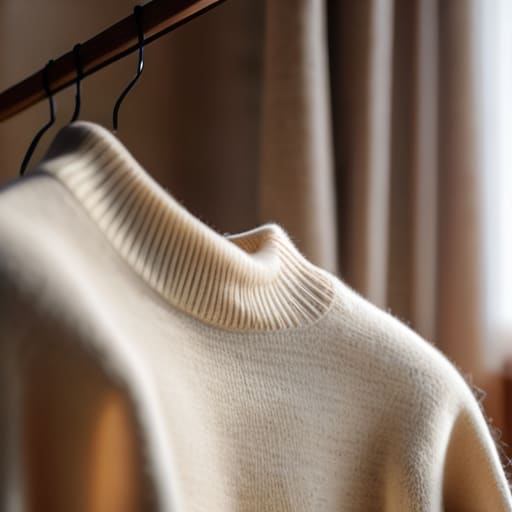
Before you even touch a piece of clothing, you need to understand why we’re doing this in the first place. Most people think they’re being efficient by shoving everything onto a rack, but gravity is a knitwear’s worst enemy. When you hang a heavy sweater, the weight of the fabric pulls downward, creating those hideous, permanent hanger bumps on knits that no amount of steaming can truly fix. You aren’t just storing a garment; you are fighting a constant battle against structural collapse.
The physics are simple: knitwear is essentially a series of interconnected loops. When you pull or hang them incorrectly, those loops elongate, and suddenly your favorite crewneck looks like a shapeless sack. If you want to master protecting delicate knit fabrics, you have to treat them like something that has a memory. This is why I’m so obsessed with the mechanics of the fold. It isn’t about being precious or tidy for the sake of an aesthetic; it’s about preventing sweater stretching so that the piece you bought for £60 actually still fits your shoulders in six months.
Key Things to Know
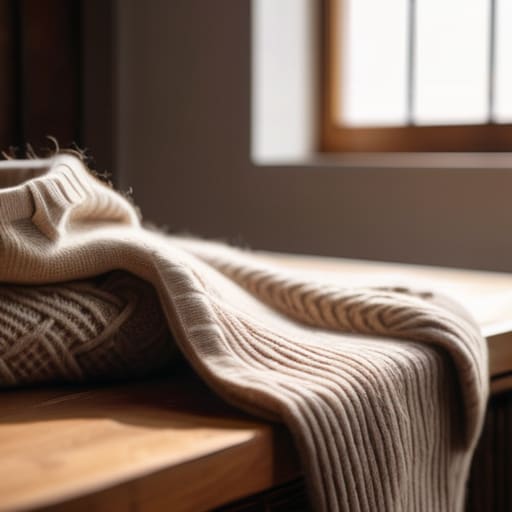
First, we need to talk about the physics of what you’re doing. Gravity is the enemy of every nice thing in your wardrobe. When you hang a knit, the weight of the fabric pulls downward, which is why you end up with those dreaded, permanent “hanger bumps” on the shoulders. Beyond just looking messy, you’re actually permanently distorting the silhouette of the garment. If you’ve ever seen a sweater that looks like it’s melting off the person wearing it, it’s because they treated it like a cotton t-shirt.
Second, you have to respect the fiber. A heavy chunky wool knit and a thin cashmere cardigan require different levels of care. For my more delicate pieces, protecting delicate knit fabrics means avoiding any sharp creases that might snap the fibers over time. If you’re organizing a sweater drawer, don’t just pile them into a mountain; that creates a crushed mess where the bottom three items will never see the light of day. Instead, think in flat, breathable layers. It’s about managing volume, not just shoving things into a dark corner.
Practical Tips and Steps
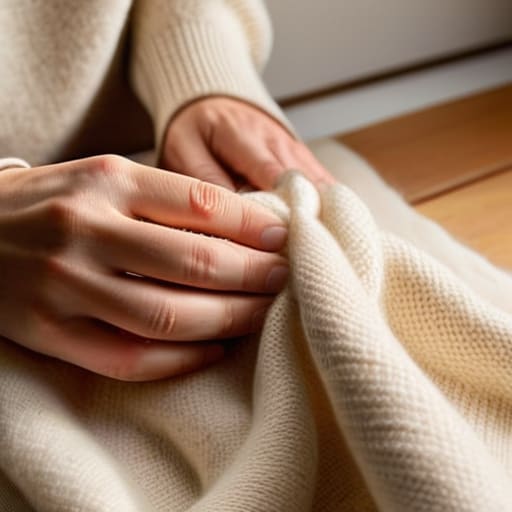
First, lay your sweater flat on a clean surface—a bed or a table works fine. Don’t just bunch it up; you need to smooth out the wrinkles so you aren’t fighting them later. Fold the sleeves inward across the back so they lie flat against the body of the garment. This is the most important part of preventing sweater stretching because it keeps the weight of the fabric distributed evenly. If you’re dealing with something high-end, like a fine gauge merino, take your time to ensure there are no awkward lumps under the fold.
Next, fold the sides of the sweater toward the center, creating a long rectangle. Once you have that shape, fold it in thirds or halves depending on how deep your shelves are. If you are organizing a sweater drawer, don’t stack them too high; a tower of ten knits creates a heavy, compressed mess at the bottom that can actually crush the fibers. I always recommend the “file folding” method—standing them up vertically—so you can see every single piece without digging through a pile and ruining the tension of the knit.
Common Mistakes to Avoid
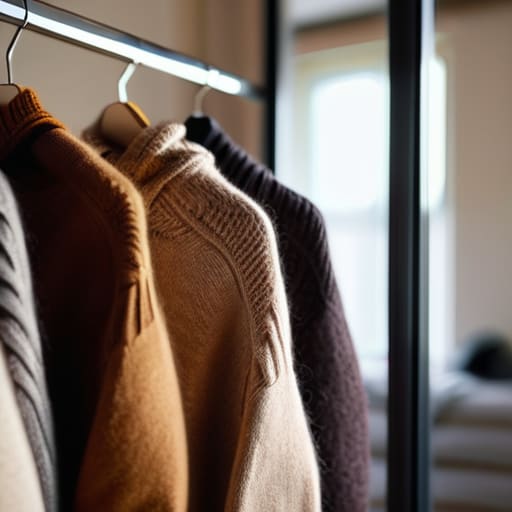
First off, let’s talk about the biggest crime in most wardrobes: the hanger. I see it every time I do a client’s closet—beautiful, expensive sweaters hanging on wire or even plastic hangers, looking like they’ve been through a wrestling match. If you aren’t careful, you’re basically inviting hanger bumps to live permanently in your shoulders. Once those fabric distortions happen, even a good tailor will struggle to pull the shape back to life without risking the integrity of the knit. If you want to commit to preventing sweater stretching, you have to accept that hangers are the enemy of anything knitted.
The second mistake is the “toss and pray” method. I know, it’s tempting to just shove a pile of knits into a drawer to save time, but you’re actually just creating a matted mess. When you layer heavy items directly on top of thin, delicate pieces, you’re crushing the fibers and losing that lovely loft that makes a sweater comfortable. If you’re organizing a sweater drawer, treat it like a library, not a laundry basket. Stack them by weight, heaviest on the bottom, and give them some breathing room so they don’t end up looking like a felted heap by next Tuesday.
Final Thoughts
At the end of the day, your wardrobe shouldn’t be a source of stress, but it will be a source of frustration if you treat your knits like t-shirts. I’ve spent enough time in a studio seeing how gravity wreaks havoc on a poorly maintained wardrobe to know that small habits matter. If you take five minutes to get your folding technique right, you aren’t just tidying up; you are actively preventing sweater stretching that turns a beautiful silhouette into a shapeless sack.
Think of this as a bit of preventative maintenance. It’s much cheaper to spend a few minutes organizing a sweater drawer than it is to pay a professional to try and reshape a collar that’s been pulled out of whack by a cheap plastic hanger. Whether you’re dealing with a high-street blend or looking for the best way to store cashmere, the principle is the same: respect the fiber. Stop treating your clothes like disposable objects and start treating them like the investments they actually are. Your future, well-dressed self will thank you when that jumper still looks brand new next winter.
Five ways to stop your knits from looking like a heap of laundry
- Stop the hanger habit immediately. Gravity is the enemy of a good knit; if you hang a heavy sweater, you’re essentially paying a tailor to fix those stretched-out, pointy shoulders later.
- Flatten everything before you fold. If you fold a sweater while it’s still bunched up, you’re creating permanent, ugly creases that make even an expensive cashmere piece look cheap and neglected.
- Use the “boutique fold” for space saving. Lay the sweater face down, fold the sleeves in towards the center, and then fold it into thirds. It keeps the shape compact without crushing the fibers.
- Watch out for the “heavy on heavy” rule. If you stack a chunky wool cardigan on top of a delicate silk-blend knit, you’re going to crush the delicate fibers and lose that lovely loft.
- Mind the shelf life. If you have a drawer that’s too tight, don’t force the knits in. Compression is just as bad as stretching; give your clothes enough room to actually breathe.
The Math of Maintenance
Stop treating your sweaters like they’re indestructible; hanging a heavy knit is just a slow-motion way of paying a tailor fifty quid to fix stretched-out shoulders that you could have avoided for free by just learning how to fold.
Neve Okonkwo-Barr
The Bottom Line on Your Knits
Look, at the end of the day, this isn’t about being precious or performing some high-maintenance ritual; it’s about basic math. If you spend sixty pounds on a decent wool jumper and then let a hanger stretch the shoulder seams into permanent, unsightly bumps, you haven’t saved money—you’ve just devalued your own wardrobe. By ditching the hangers, smoothing out those folds, and stacking your knits by weight rather than color, you are essentially extending the life of every fiber. It takes thirty seconds more than tossing it in a pile, but it means you won’t be standing in front of your wardrobe on a Tuesday morning looking at a shapeless, stretched-out mess that should have lasted five years.
We spend so much time being told that “newness” is the only way to feel stylish, but there is a quiet, massive power in actually maintaining what you already own. A well-cared-for, perfectly folded sweater looks infinitely more expensive than a trendy, distorted piece that’s lost its integrity. Stop looking for the next thing to buy and start looking at the things you already love. When you treat your clothes with a bit of respect, they reward you by looking better, fitting better, and staying in your rotation longer. Style isn’t about the haul; it’s about the upkeep.
Frequently Asked Questions
If I have a chunky, heavy wool cardigan that’s too bulky to fold neatly, is there a way to store it without it becoming a mess in my drawer?
If it’s that chunky, heavy-gauge wool, stop trying to force it into a neat little square. You’ll just end up with a lumpy mess that takes up twice the space. Instead, use the “roll” method. Lay it flat, fold the sleeves in, and roll it from the hem up like a sleeping bag. It keeps the shape intact and stops the wool from getting crushed, which is much better for the fibers.
Does it actually matter if I use tissue paper between the folds, or is that just extra work for no real benefit?
Honestly? For your everyday cotton blends, it’s overkill. But if you’re talking about a heavy cashmere jumper or a delicate silk-knit blend, yes, it matters. Tissue paper prevents those sharp, permanent creases that happen when heavy fabric sits on itself for months. Creases aren’t just annoying; they stress the fibers. If it’s a £15 charity shop find, skip it. If it’s the knit you actually care about, use the paper.
I’ve seen people roll their knits to save space—does that cause more friction and pilling than traditional folding?
Rolling is a trap. I see it in charity shops all the time—knits that look like they’ve been through a blender because the fibers have been crushed together. When you roll, you’re creating constant friction between the yarns; every time you pull one out, the friction causes pilling. If you’re tight on space, fold them flat and stack them loosely. It’s better to have a slightly messy drawer than a sweater that looks like a tennis ball.
