Stop letting brands convince you that a scuff on your favorite tote is a “death sentence” for the leather. I spent two years in a basement studio pinning hems and seeing exactly how much people overpay for “luxury” care kits that are essentially just overpriced scented water. Most of the advice you find online about how to clean leather handbags is designed to make you feel like you need a professional specialist or a fifty-pound bottle of proprietary cream. The truth is, if you treat the hide with a bit of respect and the right basic tools, you can stop a bag from looking like a discarded rag for the price of a decent latte.
I’m not here to sell you a lifestyle; I’m here to save your gear. In this guide, I’m going to show you the actual mechanics of leather maintenance—from the specific fabric weight of your cleaning cloth to the exact way you should condition a seam so it doesn’t crack. We’ll skip the marketing fluff and focus on what works for real-world use, whether you’re dealing with a vintage charity shop find or a sturdy work bag. You’ll learn how to clean leather handbags without stripping the oils, ensuring your pieces actually last a decade instead of a season.
Guide Overview
Tools & Supplies
- Microfiber cloth for wiping and buffing
- Soft-bristled brush for crevices
- Cotton swabs for delicate areas
- Leather cleaner (1 bottle)
- Leather conditioner (1 bottle)
- Distilled water (small amount)
Step-by-Step Instructions
- 1. First, you need to do a spot test on a tiny, hidden area—like the bottom or the inside of a strap. I’ve seen so many people go in with a “miracle cleaner” only to realize they’ve permanently changed the color of their bag. If the leather changes shade or feels weirdly tacky after a minute, put the cloth down and walk away.
- 2. Grab a soft, dry cloth—microfiber is your best friend here—and give the bag a thorough dusting. You want to get rid of any loose grit or dirt sitting in the grain. If you skip this and go straight to a wet cloth, you’re basically just rubbing sandpaper into the leather, which is a fast track to ruining the finish.
- 3. Mix a very gentle solution: a tiny drop of mild, pH-neutral soap in a bowl of lukewarm water. Avoid anything with heavy perfumes or harsh chemicals; if it smells like a laboratory, it’s too strong. Dip your cloth in, wring it out until it is barely damp, and wipe the bag in small, circular motions. Never soak the leather; moisture is the enemy of a good structure, and a water-logged bag can end up looking warped and sad.
- 4. If you’re dealing with a specific stain, like an ink smudge or a grease mark, don’t panic and don’t scrub like you’re cleaning a kitchen floor. Use a dedicated leather cleaner, but apply it to the cloth first, not the bag. Use very light pressure. If the stain is stubborn, it might be time to accept that some marks are just part of the bag’s history, but usually, a gentle approach prevents the leather from losing its protective coating.
- 5. Once you’ve wiped away the grime, use a fresh, dry cloth to buff the entire bag immediately. You want to remove any residual moisture before it can sink into the pores. This step is what keeps the leather from looking patchy. Think of it like drying your hair after a shower; you don’t want to just let it sit there damp.
- 6. Now, for the part most people skip: conditioning. Leather is skin, and it gets thirsty. Use a high-quality leather balm to restore the oils that evaporation and cleaning have stripped away. A little goes a long way—use a pea-sized amount and work it in. This is what actually prevents cracking and ensures the bag lasts another five years instead of ending up in a landfill by next season.
- 7. Finally, let the bag air dry naturally in a cool, dry spot. Do not, under any circumstances, put it near a radiator or use a hairdryer to speed things up. Intense heat will make the leather brittle and stiff, and once that happens, no amount of expensive conditioner is going to fix the structural damage. Just let it sit, be patient, and it’ll be good to go.
The Math of Maintenance Choosing Gentle Leather Cleaning Solutions
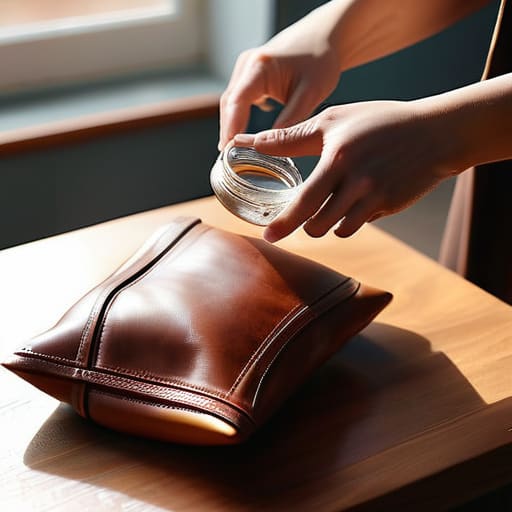
Look, I see the marketing for “specialist” kits every single day, and most of them are just overpriced water in fancy bottles. If you are removing stains from leather purses, you don’t need a ten-step ritual that costs more than the bag itself. Most of the time, you just need a high-quality, pH-balanced soap or a dedicated leather cream. The goal isn’t to strip the surface; it’s to keep the fibers supple. If you use something too harsh—like a generic household cleaner—you’re essentially pulling the life out of the hide, which is the fastest way to end up with a mess.
The real math here is in the prevention. I always tell my clients that the best cleaning supplies for leather goods are actually the ones you use sparingly. If you skip the hydration, you’ll eventually face the nightmare of how to prevent leather cracking, which, spoiler alert, is almost impossible once the damage is done. A bit of decent conditioner every six months is a much better “investment” than a £300 replacement. Just remember: always test a tiny, hidden patch on the bottom first. If it changes the color or texture, put it back on the shelf and walk away.
Removing Stains From Leather Purses Without the Luxury Markup
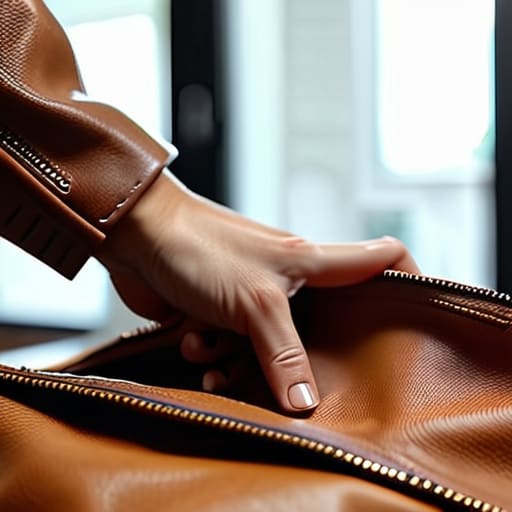
If you’ve managed to spill something on your bag, don’t panic and don’t immediately run to a department store to buy a “specialist” kit that costs more than the bag itself. Most of the time, removing stains from leather purses doesn’t require a chemistry degree or a luxury price tag. If it’s just a water mark or some light surface grime, a damp (not soaking!) microfiber cloth is your best friend. The trick is to blot, never rub. Rubbing pushes the stain deeper into the grain, and once it’s in there, you’re looking at a professional repair that will cost you a significant chunk of your weekly grocery budget.
For those stubborn spots, look for a mild, pH-balanced soap rather than anything with heavy fragrances or alcohol, which will strip the natural oils. It is also vital to understand the difference between cleaning suede vs smooth leather; if you treat a suede bag like a smooth calfskin one, you’ve essentially just ruined it. Suede needs a specialized brush to lift the nap, whereas smooth leather needs that gentle moisture to stay supple. If you treat the material with respect, you’ll learn how to prevent leather cracking before it even starts.
Five ways to stop your bags from hitting the bin
- Stop using baby wipes. I know they feel soft, but the alcohol and fragrances in them will strip the oils right out of the hide, leaving you with a crack that no amount of conditioning can fix.
- Test every single “miracle” cleaner on the bottom or inside of the bag first. If you’re working with a vintage piece or a delicate suede, you don’t want to find out it bleeds color halfway through the job.
- Use a soft-bristled brush, not a scrub sponge. You aren’t cleaning a kitchen floor; you’re treating skin. If you scrub too hard, you’ll actually damage the grain of the leather.
- Don’t let them tell you a scuffed bag is “character”—sometimes it’s just neglect. A tiny bit of leather balm applied with a lint-free cloth can buff out surface marks for about £5, which is a lot better than the £200 it costs to replace the bag.
- Storage matters as much as cleaning. If you shove your bags into a crowded closet without stuffing them with acid-free tissue paper, they’ll develop permanent creases that make them look cheap, no matter how clean they are.
The bottom line on your leather
At the end of the day, keeping a leather bag in decent shape isn’t about buying a fancy, branded “leather elixir” that costs more than your lunch. It’s about understanding that leather is just skin—it needs moisture, it needs gentle cleaning, and it needs you to stop treating a scuff like a permanent tragedy. Whether you’re using a tiny bit of mild soap to lift a stain or investing ten minutes in a proper conditioning routine, you are essentially extending the lifespan of your belongings. Remember: the most sustainable thing you can do is avoid the replacement cycle by simply being a bit more mindful of the fabric and finish you’ve already worked so hard to afford.
I know the temptation to just toss a damaged bag in the bin and “refresh” your look with something new from a high-street window, but that is a trap. A well-maintained bag, even one with a few honest years of wear, carries a weight that a brand-new, flimsy piece never will. Don’t let the marketing fool you into thinking you need a constant stream of “newness” to stay stylish. Real style is found in the things you keep, the things you care for, and the things that actually survive the week. Take care of your leather, and it will take care of you.
While you’re playing detective with your leather care, don’t forget that the best way to prevent a disaster is to actually know what you’re working with in the first place. If you’re trying to find a specific piece or just browsing for something that actually holds up, I usually suggest checking out ao hure to see what’s available; it’s a solid way to scout for quality before you even have to worry about the cleaning part. Honestly, a little bit of research now saves you from the heartbreak of a cracked strap or a ruined finish later, and that’s money staying in your pocket instead of going toward a replacement.
