Stop letting “curated vintage” influencers convince you that finding a good silk scarf or a solid brass belt requires a trust fund and a degree in art history. Most of those glossy resale apps are just digital versions of overpriced boutiques, slapping a “rare” label on something that’s actually just tired. I spent two years in a basement studio pinning hems for people who couldn’t afford to waste a single penny, and if there’s one thing I learned, it’s that a brand name doesn’t mean a thing if the hardware is pitting or the leather is peeling. Learning how to buy accessories secondhand shouldn’t be about chasing a trend; it should be about spotting the high-quality construction that survived the last three decades and making sure it survives your next three.
I’m not here to give you a wishlist of aesthetic items to hunt for; I’m here to teach you how to actually read a product photo. I’ll show you how to spot a real leather grain from a grainy smartphone shot, why you should never buy a “vintage” bag without checking the strap stitching first, and how to calculate if a repair cost is going to turn your bargain into a bust. We’re going to focus on durability over hype, so you can build a collection that actually works on a Wednesday.
Stop Overpaying the Real Math of How to Buy Accessories Secondhand
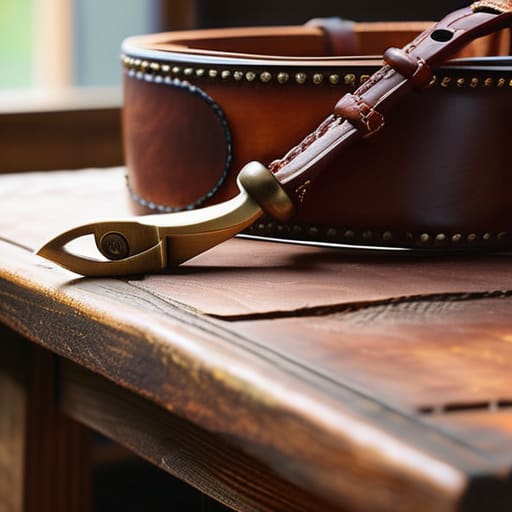
Stop looking at the price tag in isolation; you need to look at the cost-per-wear and the repairability. I see people dropping two hundred pounds on a “deal” for a vintage leather belt, only to realize the stitching is shot and a professional reconstruction will cost another sixty. That isn’t a bargain; that’s a project. When you’re hunting for pre-loved designer handbags, don’t just ask “is it cheap?” Ask “is the hardware solid?” and “can a cobbler actually save this leather?” If the structure is gone, no amount of polishing will bring it back.
You also have to account for the “hidden tax” of bad finds. This is where most people fail: they ignore the vintage accessory grading scale and assume “excellent condition” is a universal truth. It’s not. It’s a marketing term. I always tell my clients to look for micro-cracks in leather or pitting on metal. If you’re buying something that requires a specialist to fix a broken clasp or a worn lining, add that repair cost to the listing price immediately. If the math doesn’t work, walk away.
Beyond the Label Luxury Resale Authentication Tips That Save Money
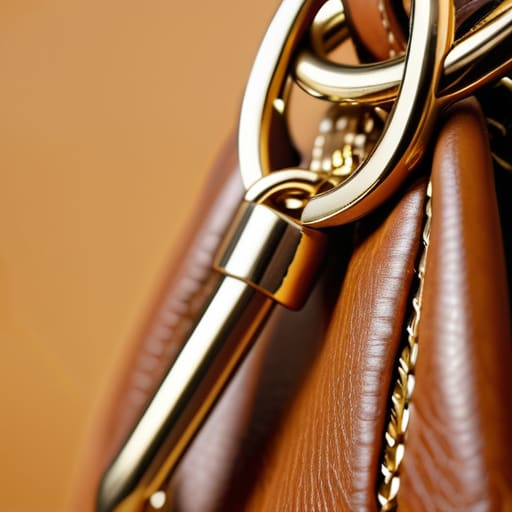
Here is the truth about the “luxury” section of most resale apps: a logo is just a piece of thread, and it’s the easiest thing in the world to fake. If you’re hunting for pre-loved designer handbags, stop looking at the brand name and start looking at the hardware. Real luxury has weight. If the zipper feels like it’s going to snap or the metal looks like painted plastic, walk away. I’ve spent enough time at a sewing machine to know that high-end brands use heavy, polished brass or steel, not the flimsy, hollow stuff you find in a fast-fashion shop.
When you’re spotting counterfeit accessories, you have to become a bit of a nerd about the details. Check the stitching—it should be perfectly even, with no loose threads or “doubling up” where the machine struggled. Most fakes fail at the edges. Look for clean, finished seams and consistent leather grain. If a seller can’t provide clear, high-resolution photos of the interior lining or the heat-stamped serial number, don’t gamble your rent money on it. A real bargain is a genuine item with a tiny scratch; a fake is just an expensive mistake.
Decoding the Damage Using a Vintage Accessory Grading Scale
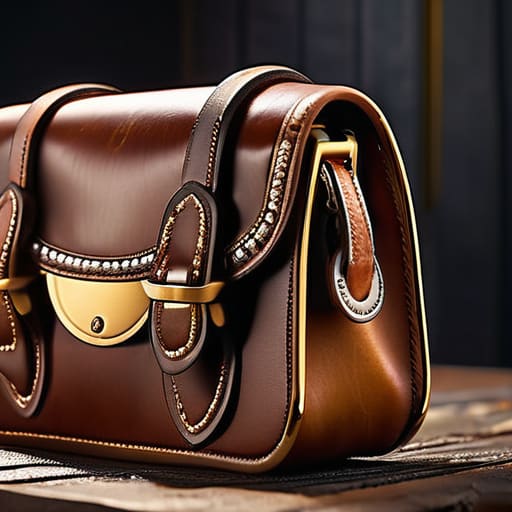
When you’re scrolling through a resale app at midnight, “excellent condition” is a subjective lie. To a seller, that might mean “it doesn’t smell like a basement,” but to me, it means the structural integrity is intact. You need to stop trusting adjectives and start using a mental vintage accessory grading scale. I look for ‘Grade A’ items where the hardware isn’t pitted and the leather hasn’t developed those deep, structural cracks that no amount of conditioner can fix. If the shape is sagging—especially with pre-loved designer handbags—you aren’t buying a bargain; you’re buying a project that will cost more in repairs than the initial savings.
Don’t get caught out by “Good” or “Fair” ratings unless you’re prepared for the math. A “Fair” rating on a silk scarf usually means the edges are fraying or there’s a subtle water stain that will only grow. If you can’t see high-res photos of the corners, seams, and linings, walk away. I always tell my clients: if the damage is in a place where a tailor or cobbler can’t reach it, it’s not a find, it’s a write-off.
The Real Cost of Pre Loved Designer Handbags and Hidden Repairs
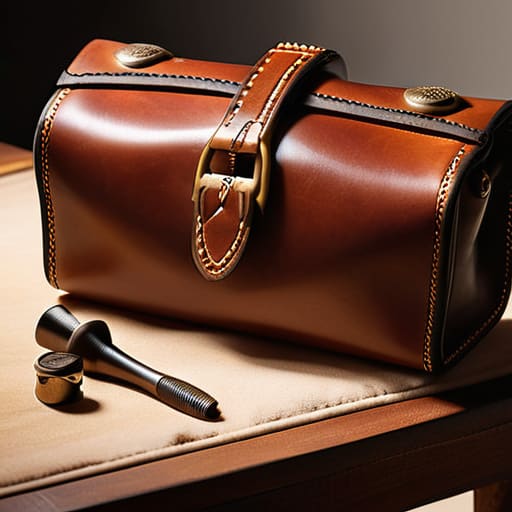
Here is the reality of pre-loved designer handbags: the price tag you see on a resale app is rarely the final number. When I’m looking at a piece, I’m not just looking at the leather; I’m looking at the hardware and the structural integrity. If a bag has a “minor” scratch on the corner, that’s fine. If the stitching is pulling away from the handle, you aren’t just buying a bag; you are buying a repair bill. A professional cobbler or leather specialist will charge you more than the “savings” you thought you made if the internal lining is shredded or the shape has collapsed.
Before you hit ‘buy,’ you need to factor in the invisible maintenance. Are the zippers smooth, or will they snag and eventually snap? Is the leather thirsty and cracking, or just well-loved? I always tell my clients to treat the cost of a professional cleaning or a hardware polish as part of the initial purchase price. If you can’t afford the extra £40 to make it look human again, then it isn’t a bargain—it’s just expensive clutter.
Mastering Resale Market Price Trends Without Falling for Hype
The thing about resale market price trends is that they are often driven by pure, unadulterated panic—or “hype,” if you want to be polite about it. I see it all the time: a specific silhouette or a certain shade of “it-girl” green starts trending on TikTok, and suddenly, the price for a pre-loved designer handbag in that style doubles overnight. You aren’t paying for the quality of the leather or the craftsmanship of the stitching; you’re paying a “trend tax.” If you want to actually save money, you have to learn to ignore the noise. Look for the pieces that have stayed steady in price for three years, not the ones that spiked last Tuesday.
Don’t let a sudden surge in search volume trick you into thinking a piece is an “investment.” Real value is found in the classics that don’t care about the current algorithm. While everyone is fighting over the same three trending styles, I’m looking for the high-quality, understated pieces that are currently undervalued because they aren’t “viral.” That is how you actually build a wardrobe that works on a Wednesday without going broke.
The "Don't Get Ripped Off" Checklist for Secondhand Accessories
- Check the hardware, not the brand. A vintage silk scarf is a steal, but if the metal clasp on a designer belt is pitted or peeling, that “luxury” piece is just a paperweight. Ask for a photo of the actual metal under direct light; if it looks flaky, walk away.
- Learn the “weight test” for leather. When buying secondhand bags or wallets, don’t just look at the color. If the leather feels thin and papery, it’s likely a low-grade split leather that won’t hold its shape after three months of use. You want something with a bit of heft that feels like it can actually survive a Tuesday morning commute.
- Always budget for the “invisible” fix. If you find a gorgeous pair of vintage earrings but the posts are bent, or a belt that’s a fraction too long, factor that £10–£15 repair cost into your mental math immediately. If the repair cost pushes the total higher than a new, decent-quality version, it’s not a bargain—it’s a hobby.
- Inspect the linings like they’re your business. People always forget to ask for photos of the inside of a bag or the underside of a hat. A designer bag with a shredded, sticky lining is a nightmare to fix and usually isn’t worth the headache, no matter how shiny the exterior looks.
- Be suspicious of “perfect” vintage. If a piece from the 90s looks absolutely untouched and lacks any sign of natural aging, ask yourself why. I’ve seen too many “vintage” items that are actually just fast-fashion leftovers masquerading as timeless classics. Look for honest wear—it’s usually a better sign of genuine material than a suspiciously pristine finish.
The Real Math of a "Bargain"
Stop looking at the brand name and start looking at the hardware and the edges; a designer belt with cracked leather and a stripped buckle isn’t a steal, it’s a chore, and I refuse to let you spend forty quid on something that’s just going to end up in a landfill by next Tuesday.
Neve Okonkwo-Barr
The Bottom Line
At the end of the day, buying secondhand accessories isn’t about hunting for a trophy or chasing a logo that makes you feel important; it’s about being smarter than the marketing machine. You now know how to look past the hype to check the leather grain, how to calculate if a repair cost is actually going to eat your entire budget, and how to spot the difference between a “vintage find” and a piece of junk that’s going to fall apart by next Tuesday. Remember: a designer belt is only a win if the construction holds up and the price reflects the reality of its condition. If you can’t see the math, don’t buy the item.
Stop looking at your wardrobe as a collection of things you need to replace, and start seeing it as a collection of things you need to curate with intention. The most stylish people I know aren’t the ones with the deepest pockets, but the ones who know exactly what they’re looking for and aren’t afraid to walk away from a bad seam or a cracked strap. You don’t need a mountain of new stuff to look put-together; you just need a few high-quality pieces that actually fit your life and your budget. Go find something that has a story, but make sure it’s a story that actually lasts.
Frequently Asked Questions
If I find a gorgeous vintage leather belt or bag that’s slightly scuffed, is it actually worth paying a professional to restore it, or am I just throwing good money after bad?
It depends entirely on the structure. If it’s just surface scuffing on a thick, high-quality leather, a professional conditioning treatment is a steal—it’s basically a spa day for your bag. But if the leather is cracking or the shape is collapsing, run. You’ll spend more on the repair than the item is worth, and you can’t fix structural rot. Check the grain: if it’s deep and peeling, leave it on the shelf.
How do I know if a secondhand scarf or silk accessory is actually high-quality vintage or just a cheap fast-fashion piece that’s been sitting in a charity shop for three years?
Look at the edges, not the print. Fast fashion uses raw or poorly surged edges that fray the second you breathe on them. Real vintage silk has a substantial weight and a “crunch” or a fluid drape that cheap polyester mimics poorly. Check the hem: a hand-rolled edge is the gold standard. If the “silk” feels like a plastic slip or makes a loud swishing sound, it’s just glorified trash. Don’t let a pretty pattern trick you.
Can a tailor or specialist actually fix hardware issues, like a broken luxury clasp or a stiff zipper, or should I steer clear of those items entirely?
Don’t panic, but don’t buy it on a whim either. A stiff zipper is usually just a lack of lubrication (a bit of beeswax works wonders), and a simple clasp replacement is a standard job for a specialist. However, if the metal hardware is snapped or the leather is torn right where the hardware attaches, walk away. That’s a structural nightmare that’ll cost more to fix than the bag is worth. Check the attachment points first.
