Stop scrolling through those aesthetic Pinterest boards filled with identical beige linen bins and expensive acrylic dividers; you don’t need a shopping spree to solve your clutter. Most “expert” advice on how to organise a small wardrobe assumes you have the floor space of a showroom and a budget for custom cabinetry, but I know that’s not how real life works. I spent two years in a cramped basement studio pinning hems for people who were just as frustrated as you are, surrounded by piles of fabric and the constant, nagging feeling that nothing actually fits the space I had.
I’m not here to sell you a new storage system or a lifestyle upgrade. My promise is much more practical: I’m going to show you how to work with the bones of what you already own. We are going to talk about fabric weight, why certain hangers are a total waste of money, and how to actually see your clothes so you can stop staring at a full closet and still feeling like you have nothing to wear on a Wednesday. No fluff, no expensive gadgets—just real ways to make your clothes behave.
Stop Shopping for Space How to Organise a Small Wardrobe
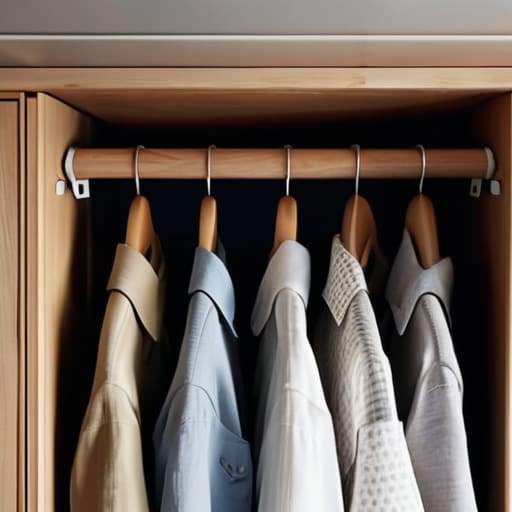
Stop buying more bins; just get your clothes off the floor and into a system that actually lets you find that reliable Wednesday blazer without a scavenger hunt. Most people think they have a space problem when they actually have a volume problem. You cannot “organize” your way out of a wardrobe that is physically bursting at the seams with things you haven’t touched since 2021. Before you look at fancy acrylic dividers, you need to commit to a ruthless seasonal clothing rotation. If it’s July and your heavy wool coats are taking up prime real estate, they are essentially occupying a high-rent apartment for no reason. Get them in a vacuum bag under the bed and free up that hanging space for the stuff that actually matters right now.
Once you’ve stopped trying to cram a decade of life into one corner, look at your hardware. Ditch the bulky plastic ones; switching to slim, velvet space saving hangers is the easiest way to reclaim actual breathing room. It’s not just about aesthetics, either—it’s about seeing the fabric weight and construction of what you own without having to dig through a mountain of cotton.
The Math of Closet Decluttering Tips if It Doesnt Work It Goes
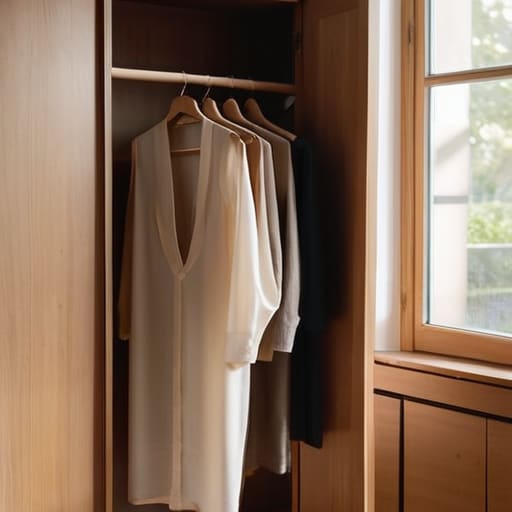
Here is the math of decluttering: every item in your closet has a “rent” cost. If you have a beautiful silk slip dress that you only wear once every six months, it is occupying prime real estate that could be used by a reliable pair of trousers you actually live in. When you are organising tight spaces, you cannot afford to pay rent for ghosts. If a garment hasn’t been touched in a full seasonal cycle, it’s not a “maybe” for later; it’s an obstacle.
I want you to look at your hangers through a lens of utility rather than sentiment. If you find yourself constantly digging past three heavy coats to find one thin cardigan, your system is broken. Instead of chasing more closet decluttering tips that involve buying expensive plastic bins, try a strict seasonal clothing rotation. Move the heavy knits to under-bed storage for three months. If you can’t see it, you won’t wear it, and if you don’t wear it, it’s just expensive clutter taking up space you don’t have.
Using Vertical Storage Solutions to Fix Your Footprint
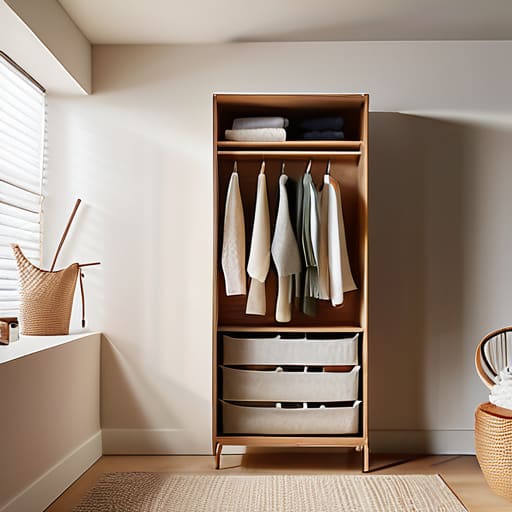
When people talk about organising tight spaces, they usually start looking left or right, but you need to start looking up. If your wardrobe feels like it’s suffocating you, it’s probably because you’re ignoring the dead air between your top shelf and the ceiling. Stop trying to cram more stuff onto the single rod you have; instead, look at vertical storage solutions that actually utilize that height. I’m talking about hanging organizers for your knits—which, by the way, should never be hung on regular hangers unless you want them to grow two inches longer and lose their shape—and sturdy, stackable bins for the things you only touch once a month.
The goal here isn’t just to hide the mess, but to facilitate a smarter seasonal clothing rotation. If it’s July, your heavy wool coats shouldn’t be fighting for real estate with your linen shirts. Get them into slim, vacuum-sealed bags or high-up bins. This isn’t just about tidying; it’s about minimizing the friction of getting dressed. If you can see your options without digging through a mountain of fabric, you’ve actually won the battle.
Space Saving Hangers and the Reality of Minimalist Wardrobe Management
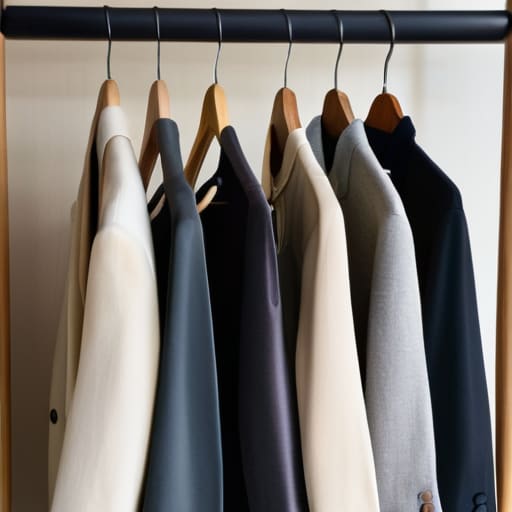
You’ve seen the TikToks: those slim, velvet hangers that look like they could fit a whole department store into a shoebox. Look, space saving hangers do work, but they aren’t a magic wand for a messy life. If you buy the ultra-thin plastic ones, they’ll snap the moment you hang a heavy wool coat, and if you go for velvet, you’ll find your silk blouses getting caught in the nap. My rule? Use slim velvet for your shirts and knits, but never skimp on the wide, contoured hangers for your structured blazers. If the hanger ruins the shoulder line, you’ve just traded storage space for a ruined garment, and that’s a math problem no one wins.
True minimalist wardrobe management isn’t about squeezing more stuff into a smaller gap; it’s about admitting that you cannot wear your summer linen and your winter heavy-gauge knits at the exact same time. Instead of fighting for every inch of rod space, embrace a seasonal clothing rotation. Get those off-season pieces into a vacuum bag or a sturdy bin under the bed. It’s not “clutter” if it’s tucked away safely; it’s just giving your current clothes room to breathe.
Mastering Seasonal Clothing Rotation to Win at Organising Tight Spaces
The biggest mistake people make when organising tight spaces is trying to live in every season at once. You end up fighting a losing battle against a mountain of heavy wool coats and summer linens that are currently doing nothing but stealing your breathing room. Real seasonal clothing rotation isn’t about being a minimalist; it’s about being a strategist. If you aren’t wearing it this month, it shouldn’t be taking up prime real estate on your main hanging rail.
Instead of shoving everything into a corner, get some decent vacuum bags or, better yet, some sturdy under-bed bins. I’m talking about the kind that actually protect the fibers, not the cheap plastic ones that trap moisture and make your knits smell like a damp basement. When you move your off-season gear into storage, you suddenly realize that your current wardrobe is actually quite manageable. It stops feeling like a hoard and starts feeling like a curated selection. This is the most effective way to handle minimalist wardrobe management without actually having to throw away the clothes you love; you’re just giving them a place to sleep until they’re actually useful again.
The "Real Life" Audit: 5 ways to stop fighting your clothes and start wearing them
- Stop the “maybe” pile: If you’ve been holding onto a skirt because you “might” lose five pounds or “might” find the right shoes, you aren’t organizing, you’re hoarding. A small wardrobe only works if every single item is ready to be worn on a Tuesday morning when you’re running late. If it requires a mental negotiation, it’s taking up valuable real estate.
- Prioritize the “High-Rotation” zone: Stop shoving your most-worn trousers at the back of the rail behind the “special occasion” dresses you wear once a year. Your prime eye-level real estate belongs to the stuff that actually survives a Wednesday. If you have to dig for your reliable black jeans, your organization has failed you.
- The Fabric Weight Rule: Don’t hang heavy knits on thin wire hangers; they’ll stretch out at the shoulders and ruin the silhouette, and then you’re looking at a £15 repair bill just to make them wearable again. Fold your heavy sweaters and store them on shelves or in drawers to preserve the shape and save your hanger space for lighter, structured pieces.
- Group by “Vibe,” not just category: Instead of having a mountain of all your shirts in one corner, try grouping things that actually work together. If you can see your “work trousers” right next to your “work blouses,” you’ve reduced the decision fatigue that leads to you grabbing that same old hoodie every single day.
- Audit your hardware: Check your hangers and drawer dividers. If you’re using mismatched plastic hangers that take up twice the space they should, you’re wasting inches. Switching to slim velvet hangers might feel like a luxury, but it’s actually just a way to reclaim about 20% of your hanging space for actual clothes.
The real cost of a crowded closet
Stop looking for more bins or fancy velvet hangers to solve the problem; a small wardrobe isn’t a storage crisis, it’s a math problem. If you’re fighting your clothes every morning just to find a shirt that actually fits, you don’t need more organization—you need to stop paying the ‘space tax’ on garments that were never meant to live in your life anyway.
Neve Okonkwo-Barr
The Final Stitch
At the end of the day, organizing a small wardrobe isn’t about finding a magical, slimline storage bin that solves all your problems; it’s about realizing that space is a finite resource and you have to stop treating it like an infinite buffet. We’ve talked about the math of what actually fits, why vertical space is your best friend, and why rotating your seasonal heavyweights is better than letting them crush your delicate knits in a corner. If you focus on the fabric and the fit rather than the sheer volume of stuff, you’ll stop fighting your closet every morning. Remember, a well-organized small wardrobe isn’t one that is empty—it’s one where every single item is actually ready to be worn on a random Wednesday.
Don’t let the pressure of “minimalism” make you feel like you have to own nothing to be stylish. Style isn’t a headcount; it’s about how your clothes interact with your body and your life. If you have a small space, own it by making sure what stays in there is actually worth the real estate. Stop looking at your closet as a storage unit and start seeing it as a curated toolkit. When you stop buying your way out of clutter and start managing what you already own, you’ll find that you don’t need a walk-in wardrobe to feel like you have your life together—you just need a system that respects your clothes and your time.
Frequently Asked Questions
If I have a lot of heavy knits or structured blazers, can I actually use those slim space-saving hangers without ruining the shoulder seams?
Short answer: No. Don’t do it. If you put a heavy wool knit or a structured blazer on a thin wire or velvet slim hanger, you’re basically inviting “shoulder nipples.” Those little bumps are permanent distortions in the seam allowance that even a good tailor will struggle to steam out. For anything with weight or structure, use wide, contoured wooden hangers. It costs more upfront, but it’s cheaper than paying me to fix a ruined silhouette.
I’ve got a pile of clothes that fit my body but look "off"—is it worth paying for alterations to make them work in a small wardrobe, or should I just let them go?
Look, if it fits your body but feels “off,” it’s usually a structural issue, not a style one. Before you bin it, check the seams. A £15 hem or a quick waist nip can turn a “meh” trouser into your favorite Wednesday staple. But if the shoulder seam is wonky or the fabric is a cheap, thin polyester that won’t hold a shape, walk away. Don’t spend more on the fix than the garment is actually worth.
How do I decide which seasonal pieces are actually worth the effort of storing in vacuum bags versus just keeping them in the back of the closet?
Don’t vacuum bag anything with structure. If you crush a wool blazer or a structured coat in a bag, you’re paying a tailor £30 to fix the crushed shoulder seams later. Only bag the “squishables”—knits, cotton tees, and linens. If a piece has a shape you need to preserve, keep it on a hanger in the back. If it can survive being folded into a pancake, bag it and save the space.
