I spent two years in a cramped basement studio pinning hems for a bridal shop, and if there is one thing I learned, it’s that the “perfect” designer silhouette is a total lie. Most of those high-end pieces are cut for a wooden mannequin, not a human with actual shoulders and a spine. You can spend three months’ rent on a luxury blazer, but if the armholes are digging into your armpits, you aren’t going to look expensive—you’re just going to look uncomfortable. People think they need a new wardrobe to change their shape, but they don’t; they need to understand how tailoring shapes a silhouette by working with the fabric they already own.
I’m not here to sell you on “investment pieces” or tell you that you need a whole new capsule collection. Instead, I’m going to show you the actual mechanics of fit—where a seam should hit, why a dart can save a shapeless shirt, and exactly what a decent tailor will charge to fix a sagging waist. We’re going to talk about the math of clothes, focusing on how a few strategic stitches can make a twenty-pound thrift find look like it was made specifically for you.
Understanding How Tailoring Shapes a Silhouette
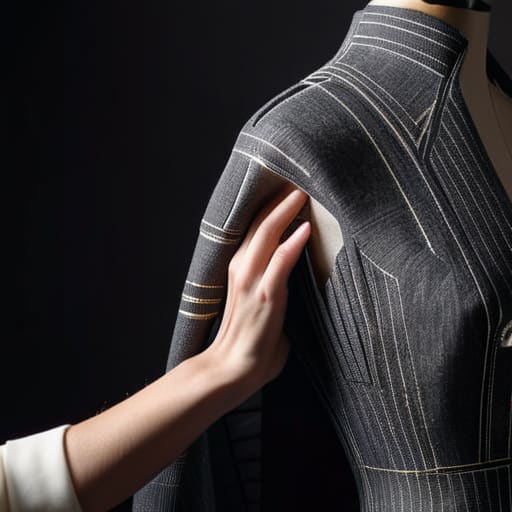
To understand why a garment looks “right,” you have to stop looking at the color and start looking at the architecture. Most off-the-rack pieces are built for a generic mannequin, not a person with actual shoulders and a waist. When we talk about sculpting the human form through clothing, we aren’t just talking about making things tighter; we are talking about managing garment construction and fit so the fabric follows your movement rather than fighting it. If a jacket is pulling across your chest or pooling at your hips, it’s because the structural lines are fighting your natural geometry.
A lot of that “magic” happens where you can’t see it. For instance, the internal structure of jackets—the canvas and interlining—is what prevents a blazer from looking like a cardboard box. If you’re buying a high-end piece, you’re paying for those layers that hold a shape even when you aren’t wearing it. But even if you’ve found a cheap vintage gem, a tailor can often manipulate the drapery and fabric tension to mimic that expensive feel. It’s about redirecting the weight of the cloth so it hangs from your shoulders instead of dragging on your midsection.
Key Things to Know
First, you need to understand that a garment isn’t just a shell; it’s an architecture. When I’m looking at a jacket, I’m not looking at the brand name; I’m looking at the garment construction and fit. A cheap blazer often lacks the internal structure of jackets—things like canvas and interlining—which means it just hangs there like a wet paper bag. A good tailor uses those hidden layers to create shape, ensuring the fabric follows your curves rather than fighting against them.
Second, pay attention to the shoulders. Most people think they can hide a bad fit with a scarf, but the shoulder is the anchor of your entire look. The importance of shoulder padding shouldn’t be underestimated; it’s not about looking like a 1980s power suit, but about creating a clean line that directs the eye. If the shoulder seam is drooping half an inch past your natural bone, the whole silhouette collapses. It’s a relatively simple fix, but it’s the difference between looking like you’re wearing your dad’s old coat and looking like the clothes were actually made for you.
Practical Tips and Steps
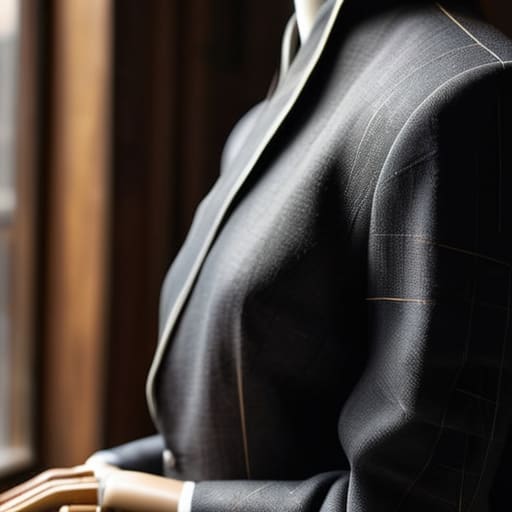
First, stop looking at the price tag and start looking at the seams. When you’re in a fitting room, don’t just check if you can zip it up; check the garment construction and fit around the pivot points. If a jacket is pulling across your shoulder blades or bunching at the small of your back, it’s not a “body issue,” it’s a geometry issue. A decent tailor can manipulate the drapery and fabric tension to make a stiff, boxy blazer follow your actual lines rather than fighting them.
Second, learn to identify what is actually fixable. If you find a vintage wool blazer with a killer pattern but the shoulders are drooping, check the internal structure of jackets first. If there is a decent canvas inside, a tailor can often reshape that silhouette. However, if it’s just cheap, glued-in interfacing, leave it on the rack. It’s better to spend twenty quid on a hem that sits perfectly than to waste fifty trying to save a garment that was built to fail.
Common Mistakes to Avoid
The biggest mistake I see—and it breaks my heart every time—is trying to “fix” a garment that was built poorly from the jump. You cannot engineer a miracle if the garment construction and fit are fundamentally flawed. If you buy a cheap, fast-fashion blazer that uses glue instead of stitching to hold the front together, no amount of pinning will make it drape like a dream. You’ll spend $40 trying to fix a $20 jacket, and at that point, you’re just throwing good money after bad. Always check the internal structure of jackets before you even head to the changing room; if there’s no real canvas or interlining, it’s just going to look like a limp piece of cardboard no matter what a tailor does.
Another trap is ignoring the shoulders. People often think they can just “tuck in” a bulky sleeve or hide a heavy shoulder, but the shoulder is the anchor of the entire look. If the seam is hanging off your natural bone line, the drapery and fabric tension across your chest will always look messy and accidental. Don’t try to mask a bad fit with layers; it just makes you look like you’re hiding, not styling.
Final Thoughts
Look, at the end of the day, stop treating your wardrobe like a collection of static objects and start seeing it as something that can be engineered. Most people think they have “bad” proportions, but usually, they just have garments that are fighting against their actual shape. Whether you’re dealing with the internal structure of jackets or just a pair of trousers that sag in the wrong places, remember that the goal isn’t to hide your body—it’s to stop the fabric from wearing you.
Don’t let the marketing fool you into thinking you need a brand-new “investment piece” every time a season shifts. Often, you just need to understand a bit more about garment construction and fit to realize that what you already own is only one sewing session away from looking expensive. If a piece feels “off,” it probably is. Take it to a professional, talk about the tension, and fix the line. It’s much cheaper to spend twenty quid on a seamstress than fifty on a replacement that fits just as poorly.
The Five Golden Rules of Reshaping Your Shape
- Check the shoulder seam first. If the seam is drooping down your arm, the whole silhouette is lost; it makes you look like you’re wearing your older brother’s hand-me-downs. A tailor can sometimes nip this in, but it’s a surgical job—if the shoulders don’t fit, walk away.
- Watch the “break” in your trousers. If you have a pool of fabric gathering around your ankles, you aren’t “relaxed,” you’re drowning. Getting a hem taken up to hit right at the top of your shoe instantly makes your legs look longer and your entire outfit look intentional rather than accidental.
- Mind the waist taper. Most off-the-rack shirts and jackets are cut like rectangles for the masses. Adding two simple darts to the back of a shirt can take it from “tent” to “tailored” for about the price of a decent lunch, defining your waist without making it feel tight.
- Don’t ignore the armhole. High, tight armholes allow for a much cleaner silhouette and better movement. If the armholes are too low, every time you lift your hand, your entire jacket lifts with it, which ruins the line of your torso and makes you look bulky.
- Fabric weight dictates the limit. You can’t reshape a flimsy, cheap jersey knit into a structured silhouette—it’ll just bunch up weirdly. If you want a sharp shape, look for heavier wools or structured cottons that actually have the “memory” to hold the new lines your tailor creates.
The Math of a Good Fit
A silhouette isn’t something you buy off a mannequin; it’s what happens when you stop letting the fabric dictate where your body ends and the clothes begin. You can spend a fortune on a designer label, but if the shoulder seam is sitting two inches too wide, you aren’t wearing a masterpiece—you’re just wearing a sack. For the price of a decent lunch, a tailor can move those seams and actually make the garment look like it was built for you, not just hung on you.
Neve Okonkwo-Barr
The Bottom Line
At the end of the day, shaping a silhouette isn’t about trying to squeeze yourself into a specific “ideal” shape; it’s about making sure the fabric actually respects the body inside it. We’ve covered how adjusting a shoulder line can change your entire posture, why a tapered waist prevents that dreaded “tent” effect, and why you need to stop ignoring the seam allowance before you commit to a garment. Remember, a silhouette is just a map of where the clothes meet your skin. If that map is messy because of a gaping armhole or a sagging hem, no amount of expensive branding is going to save the look. Focus on the architecture of the garment, not the label on the neck.
My advice? Stop looking at clothes as finished, untouchable objects. Treat every piece you buy—whether it’s a high-street blazer or a vintage find from a charity shop—as a work in progress. The most stylish people I know aren’t the ones with the biggest budgets; they are the ones who know exactly which local tailor can turn a shapeless sack into a structured masterpiece for the price of a decent lunch. You don’t need a new wardrobe to feel like yourself; you just need to fix what you already own.
Frequently Asked Questions
I found a vintage blazer with amazing fabric, but the shoulders are way too wide; is that a "fix it" situation or a "leave it on the rack" situation?
Honestly? Leave it on the rack. I love a vintage find as much as anyone, but shoulder reconstruction is the “final boss” of tailoring. To fix it, a tailor has to deconstruct the entire sleeve, rip out the lining, and reshape the armscye. It’s expensive, time-consuming, and often costs more than the blazer itself. Unless you’ve found a literal holy grail, don’t waste your money trying to force a bad shoulder to behave.
How much should I actually be budgeting for a full silhouette reshape versus just a simple hem or taking in the waist?
Don’t expect a miracle for the price of a sandwich. A simple hem or taking in a waist is a quick win—budget maybe £15–£30. But a full silhouette reshape? That’s surgery. If you’re asking to move shoulder seams or recut a jacket to change the entire line, you’re looking at £60–£120 minimum. It’s more labor than fabric. Do the math: if the garment cost £40, walk away. If it’s a £200 wool blazer, pay the tailor.
Can tailoring actually make a cheap, fast-fashion piece look high-end, or is the fabric quality too low to hold a new shape?
It’s a gamble, but here’s the math: tailoring can fix the silhouette, but it can’t fix the fiber. If you’re working with thin, polyester blends that have zero structural integrity, a tailor can nip the waist, but the fabric will still look “cheap” under light. However, if the construction is decent and it’s just a bad cut, a $20 adjustment can make a $30 find look like a $300 find. Check the weight first.
