I spent two years in a cramped basement studio pinning hems for a bridal shop, and if there is one thing that taught me, it’s that the fashion industry is lying to you. They want you to think that if a jacket doesn’t look right, you just need a different size or a more expensive brand. But here is the truth: the shoulders are the structural soul of a garment, and understanding how shoulder fit limits alteration is the difference between a wardrobe staple and a very expensive piece of fabric sitting in your closet. I’ve seen people drop hundreds on “designer” blazers only to realize the shoulder slope is so fundamentally wrong that no amount of stitching can save it.
I’m not here to sell you on “investment pieces” or tell you to shop your way out of a bad silhouette. Instead, I’m going to show you the actual maths of tailoring. I’ll explain why a dropped seam is a dealbreaker, how to spot a structural nightmare before you tap your card, and exactly when a garment is a bargain versus when it’s a total write-off. We are going to focus on real-world geometry, not marketing fluff.
The Shoulder Trap Why This Measurement Dictates Your Wardrobes Math
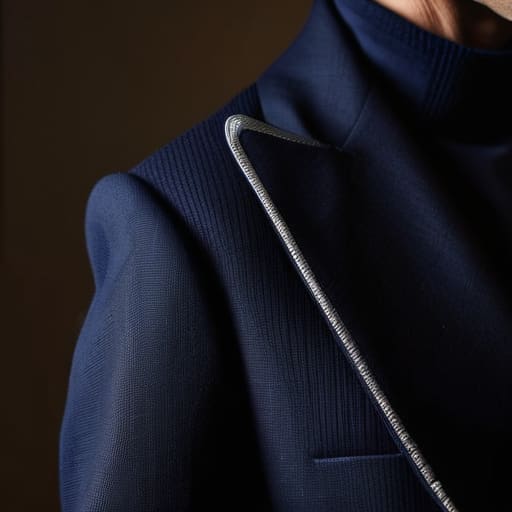
Here is the hard truth: the shoulder is the anchor of every piece of structured clothing you own. If the shoulder seam is sitting an inch too far out, or if it’s pulling tight against your collarbone, you aren’t just looking at a minor nuisance; you’re looking at a structural crisis. When people ask me, “can you resize jacket shoulders?” my answer is almost always a very expensive “yes,” followed immediately by “but you probably shouldn’t.”
To fix a shoulder that’s too wide, a tailor has to essentially deconstruct the entire garment. We aren’t just taking in a side seam; we are ripping out the sleeves, cutting into the armscye, and re-attaching everything to a new, narrower frame. This involves a massive amount of labor that touches on every single element of garment structure and tailoring constraints. Because of this, the tailor cost for shoulder adjustments often ends up being more than the original thrifted blazer was worth. If the shoulders are shot, the piece is a write-off. Don’t let a “bargain” fool you—if the bones are wrong, the math never works.
The Hard Truth About How Shoulder Fit Limits Alteration
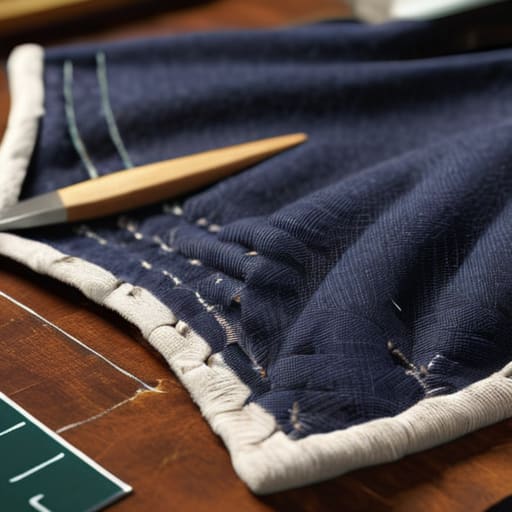
Here is the reality: most people think a tailor is a magician who can reshape any silhouette. They aren’t. When it comes to altering shoulder width in blazers, you aren’t just moving a seam; you are essentially deconstructing the entire architecture of the garment. If the shoulder seam is hanging off your natural bone structure by more than an inch, you’re looking at a job that involves ripping out the sleeves, resetting the armhole, and potentially rebuilding the entire chest piece.
This is where the math stops making sense. When you ask, “can you resize jacket shoulders?” the technical answer is yes, but the financial answer is usually “don’t bother.” Between the labor and the risk of ruining the fabric tension, the tailor cost for shoulder adjustments can easily eclipse the price you paid for the jacket at the charity shop or the high street. If the garment structure and tailoring constraints are too rigid—think heavy wools or heavily structured power suits—you’re fighting a losing battle against physics. If the shoulders don’t sit right from the jump, it’s not a fix; it’s a rebuild.
Anatomy of a Mistake Tailoring Jacket Shoulder Seams and Structural Limits
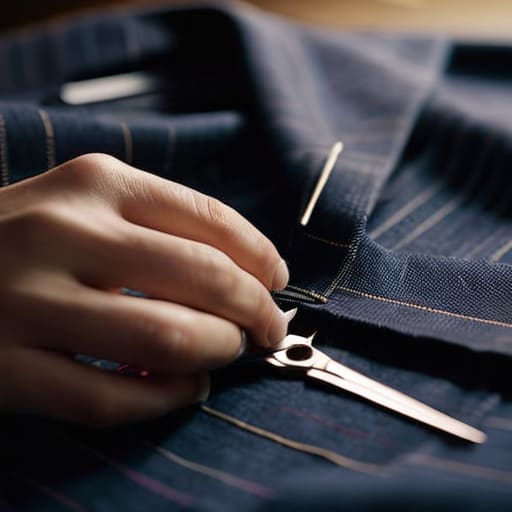
When you’re looking at a blazer on a hanger, it’s easy to think, “I’ll just nip the waist in and it’ll look perfect.” But here is where the math falls apart. The shoulder is the architectural foundation of the entire piece. If you are looking into altering shoulder width in blazers, you aren’t just moving a seam; you are essentially deconstructing the garment’s skeleton. To fix a shoulder that is too wide, a tailor has to rip out the sleeves, shave down the shoulder head, and re-attach everything. It is surgical work, and most of the time, the garment structure and tailoring constraints mean the cost of that labor will be higher than the resale value of the jacket itself.
Then there is the padding issue. People often ask me, “can you resize jacket shoulders if they have heavy pads?” The answer is technically yes, but the impact of shoulder padding on fit is massive. If the pad is sitting two inches past your natural bone, the fabric will always collapse in a way that looks messy, no matter how much pinning we do. You aren’t just fighting the cloth; you’re fighting physics.
Can You Resize Jacket Shoulders Without Ruining the Garment Structure
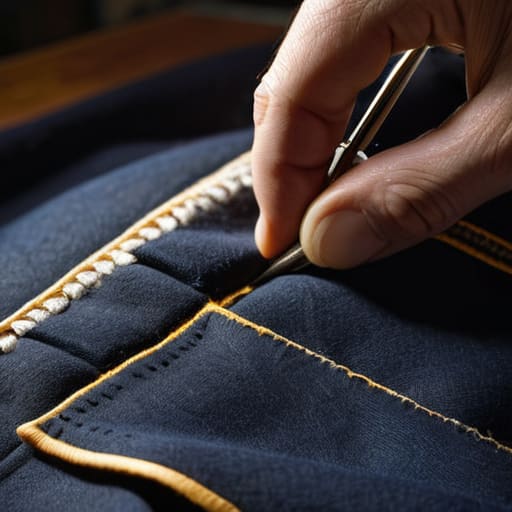
The short answer is: technically yes, but practically? Usually no. When people ask me, “can you resize jacket shoulders,” they’re usually hoping for a miracle that costs less than the blazer itself. To narrow the shoulders, a tailor has to essentially deconstruct the entire top half of the garment. We aren’t just trimming fabric; we are ripping out the sleeves, cutting into the armhole, and re-attaching everything to a new, smaller frame. It is a massive undertaking that tests the absolute limits of garment structure and tailoring constraints.
If you’re working with a structured blazer that has heavy shoulder pads, the math gets even uglier. The impact of shoulder padding on fit is huge; if the pad is wider than your natural bone structure, you can’t just “tuck” it in. You have to rebuild the entire slope. Because of the labor involved, the tailor cost for shoulder adjustments often hits a ceiling where it’s actually cheaper to find a different jacket than to fix the one you have. If the shoulder seam is hanging off your arm like a cliff edge, don’t try to save it—just move on.
Padding vs Reality the Real Tailor Cost for Shoulder Adjustments
Here is the reality of what happens when you walk into a studio asking to fix those wide, 80s-style pads. Most people think you can just “tuck in” the shoulder, but you’re actually fighting against the entire architecture of the piece. If a blazer has heavy padding, the impact of shoulder padding on fit is massive because that foam is what’s holding the sleeve head in place. To fix a width issue, a tailor has to deconstruct the entire sleeve, remove the padding, and potentially reshape the armscye. It’s not a quick nip and tuck; it’s a surgical procedure.
Because of that labor, the tailor cost for shoulder adjustments is almost always going to make you wince. You aren’t just paying for a seam to be moved; you’re paying for the hours spent unpicking canvas and re-stitching the structural integrity of the garment. If you’re looking at a £40 thrifted blazer, spending £60 to fix the shoulders is bad math. Unless that piece is high-quality wool with enough seam allowance to survive the surgery, you’re better off letting it go.
The "Don't Buy It" Checklist: 5 Ways to Spot a Shoulder Disaster Before You Pay
- Check the “Slope Test.” If the shoulder seam is drooping down your arm like a melting candle, walk away. You can take a seam in slightly, but if the fabric is already sagging past your natural bone, a tailor would have to deconstruct the entire sleeve head to fix it, and that’s a £60+ job that usually costs more than the blazer is worth.
- Beware the “Shoulder Pad Pop.” If you see a weird, sharp corner poking out where your shoulder should be smooth, that’s a structural mismatch. You can ask a tailor to remove padding, but if the garment was built specifically to hold that shape, removing the pads will leave the fabric looking limp and collapsed, not sleek.
- Look for the “Armhole Gap.” If you lift your arms and the entire torso of the jacket lifts up with them, the armholes are cut too low. This is a classic fast-fashion mistake. Low armholes are almost impossible to “fix” because they are cut into the main body of the garment; you can’t just sew them higher without ruining the proportions of your chest.
- The Seam Allowance Math. Before you buy, feel inside the shoulder seam. If it’s a raw edge or has zero extra fabric tucked inside, there is no room for error. A good quality garment has a bit of “give” in the seam; a cheap one is cut exactly to the line, meaning if it’s even a centimetre too narrow, it’s a permanent mistake.
- Beware of Heavy Fabrics and Wide Shoulders. If you’re looking at a heavy wool coat or a structured trench, the shoulder fit is even more non-negotiable. Because the fabric is heavy, any slight misalignment in the shoulder won’t just look “off”—it will pull the whole garment lopsided, creating tension lines that no amount of pinning can hide.
The Math of the Shoulder
“Stop looking at the price tag and start looking at the seam. You can hem a trouser leg for the price of a latte, but if the shoulder slope is wrong, you’re essentially paying a tailor to perform surgery on a ghost. If the shoulders don’t fit, the garment is a write-off, not a project.”
Neve Okonkwo-Barr
The Bottom Line on Shoulders
Look, I’m not telling you this to make you afraid of the changing room; I’m telling you so you don’t throw money down a drain. We’ve covered the math: if the shoulder seam is hanging off your arm or pulling tight against your neck, you aren’t just looking at a quick hem or a waist nip. You are looking at a structural overhaul that will likely cost more than the garment itself. A bad shoulder isn’t a “tweakable” detail; it is a fundamental flaw in the garment’s architecture. Before you tap your card at the checkout, check that seam. If the shoulder doesn’t sit where your bone ends, walk away. It is better to leave a “bargain” on the rack than to pay a tailor to perform surgery on a piece that was never meant for your frame.
At the end of the day, style isn’t about having a closet full of expensive labels; it’s about having a closet full of things that actually fit your life. When you stop chasing the trend and start respecting the construction, you stop being a victim of marketing and start being a curator of your own image. You don’t need a bigger budget; you just need a better eye for where the fabric meets the body. Build your wardrobe around the pieces that work from the shoulders down, and I promise you, you’ll never feel like you’re wearing a costume again.
Frequently Asked Questions
If the shoulders are a bit too wide, can I just wear thicker padding or a sweater to hide the gap, or is that a losing battle?
It’s a losing battle. You can layer a chunky knit or stuff more foam into the sleeve cap, but you’re just masking the problem, not fixing it. Eventually, the fabric will collapse or pull awkwardly at the armhole, and you’ll look like you’re wearing a costume rather than a garment. If the shoulder seam is hanging off your natural bone, no amount of padding will stop that “slumping” silhouette. Save your money on the sweaters and just get the seam taken in.
Is there a specific fabric type, like a heavy wool versus a flimsy linen, that makes shoulder alterations more or less likely to fail?
Fabric weight is everything. If you’re looking at a heavy, structured wool coat, the internal canvas and shoulder pads are basically a structural skeleton; moving them is a nightmare that usually costs more than the coat’s worth. Flimsy linen or lightweight silks are easier to manipulate because they lack that “bones” structure, but they’re prone to puckering at the new seam. Honestly? Heavyweight structured fabrics are the riskiest. If the shoulders are wrong there, walk away.
At what point does the cost of fixing a shoulder seam actually exceed the value of the jacket, and how do I do that math myself?
Here is the math: look at the fabric and the construction. If it’s a high-quality wool with a canvassed interior, it might be worth the £60+ surgical procedure. If it’s a polyester blend from a high-street sale, stop. You’ll spend more on the tailor than the jacket is worth, and the result will still look “reconstructed.” If the cost of the fix is more than 50% of what you’d pay for a better-fitting version, walk away.
