I spent two years in a basement studio pinning hems for a bridal shop, but my real education happened watching my grandmother patch the same heavy canvas trousers for a decade because she knew that buying new wasn’t the same as buying better. Most “workwear” brands today want to sell you a lifestyle—usually involving a $150 heavy-duty shirt that looks great in a staged photo but falls apart the moment you actually bend over to pick something up. They want you to think that knowing how to dress for physical work means buying into expensive, branded “durability” that is really just marketing fluff. It’s a scam, and frankly, it’s a waste of your hard-earned money.
I’m not here to sell you a look; I’m here to help you build a kit that survives a Tuesday. We are going to talk about actual fabric weights, why a reinforced seam is worth more than a logo, and how a twenty-dollar trip to a local tailor can make a thrifted pair of work pants actually functional for your specific body. I’ll show you the maths on what lasts and what’s just landfill in waiting, so you can stop shopping and start working.
Understanding How to Dress for Physical Work
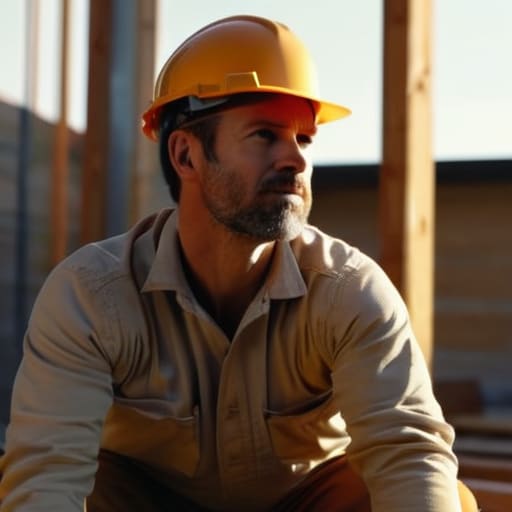
Look, if your job involves moving more than just a mouse, the first thing you need to accept is that “looking good” is secondary to not being miserable by 2 PM. Most people make the mistake of buying clothes based on how they look in a flat, air-conditioned dressing room, only to realize by lunchtime that they’ve trapped themselves in a sweatbox. You need to prioritize breathable fabrics for construction or any high-activity environment—think natural fibers or high-quality synthetics that actually move air. If you’re wearing a heavy, non-stretch cotton twill that pinches when you squat, you aren’t “working hard,” you’re just fighting your own trousers.
It’s also about the math of durability. Don’t fall for the “heavy-duty” labels on fast-fashion workwear; they usually just mean the fabric is thicker, not stronger. Real ergonomic clothing for movement focuses on the construction of the garment—look for gusseted crotches and articulated knees. If the seam allowance is too slim, that fabric is going to blow out the first time you take a wide step. Invest in the construction, not the brand name.
Key Things to Know
First, let’s talk about the stuff that actually keeps you moving without feeling like you’re wearing a cardboard box. If you’re working a job where you’re constantly bending, lifting, or reaching, you need to prioritize ergonomic clothing for movement. I see so many people buying these stiff, “rugged” trousers that look great in a catalog but pinch at the hip the second you squat down. Look for fabrics with a bit of mechanical stretch—not necessarily that flimsy Lycra stuff, but a weave that actually moves with your joints. If you’re sweating through your shirt by 10:00 AM, you haven’t invested in proper moisture wicking work apparel, and you’re going to spend the rest of the day feeling miserable and damp.
Second, don’t let a brand’s “heavy-duty” label fool you into ignoring the actual physics of your job. A jacket might be thick, but if it lacks breathable fabrics for construction environments, you’re just creating a personal sauna. Also, please, for the love of everything, do not skimp on your footwear. A proper heavy duty work boots selection isn’t just about toe protection; it’s about the structural integrity of your ankles and arches. If the boot doesn’t support your frame, no amount of expensive denim is going to save your back by Friday.
Practical Tips and Steps
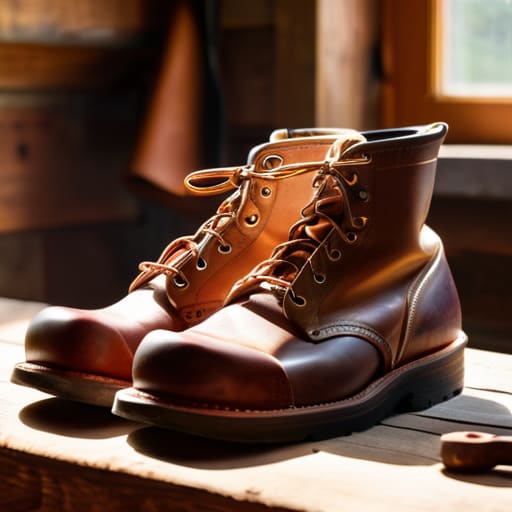
First, stop buying things because the packaging looks “rugged.” If you’re on your feet all day, your heavy duty work boots selection shouldn’t be based on how chunky they look in a catalog, but on the quality of the welt and the weight of the leather. A cheap boot with a glued sole will split within three months of actual use, and you’ll be out fifty quid before lunch. Take them to a cobbler to have them broken in properly, or better yet, get a pair that actually supports your arch so you aren’t paying for physiotherapy later.
Second, let’s talk about the actual textiles. If you are sweating through your shirt by 10:00 AM, you don’t need more layers; you need better fibers. Look for moisture wicking work apparel that actually uses technical weaves rather than just polyester blends that trap heat like a greenhouse. I always tell my clients: check the seam allowance. If the seams are thin and single-stitched, they’ll pop the moment you crouch or reach for a tool. You want double-needle stitching and a fabric weight that can actually handle a bit of abrasion without thinning out after three washes.
Common Mistakes to Avoid
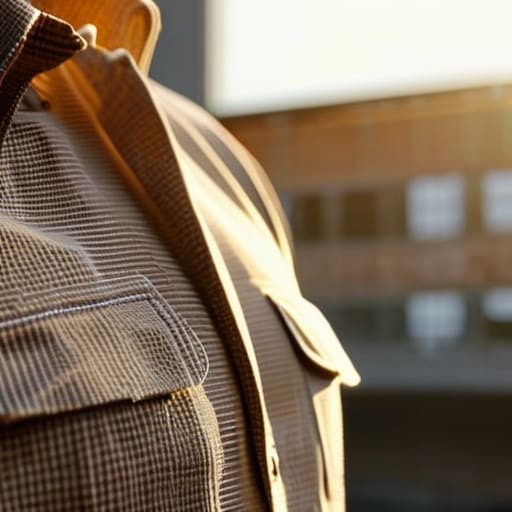
The biggest mistake I see is people treating their work gear like a weekend fashion statement or, conversely, like a disposable rag. Stop buying those ultra-cheap, synthetic blends just because they’re on sale. If you’re working in heat, those non-breathable fabrics turn into a personal sauna by 10:00 AM. You need breathable fabrics for construction—think high-quality cotton or specialized blends—that actually move air. If the fabric doesn’t breathe, you’re just working twice as hard to stay dry.
Another massive blunder is ignoring the “mechanical” side of your clothes. I see people in stiff, heavy denim that has zero give, and by lunch, they’re fighting their own trousers just to squat or reach. You don’t need “designer” workwear; you need ergonomic clothing for movement. If a seam feels like it’s going to snap the first time you climb a ladder, it’s a bad investment. Also, please stop neglecting your footwear. A rushed heavy duty work boots selection is a recipe for back pain that no amount of stretching will fix. Buy for the foot, not just the aesthetic.
Final Thoughts
Look, at the end of the day, your clothes shouldn’t be an afterthought or a source of frustration by 3 PM. If you’re spending your entire shift fighting with a waistband that digs in or a shirt that stays damp against your skin, you aren’t just uncomfortable—you’re inefficient. Stop listening to the glossy catalogs that promise “performance” through sheer price tags. Instead, focus on the actual mechanics of your day. Whether you need moisture wicking work apparel to handle a heatwave or specific ergonomic clothing for movement so you aren’t restricted when you bend or reach, the goal is simple: the clothes should facilitate your labor, not hinder it.
Don’t forget that “looking the part” is secondary to staying safe and functional. Check your specific PPE requirements for physical jobs before you get too attached to a particular aesthetic. If a garment doesn’t meet the safety standard, it doesn’t matter how much you like the cut. Buy for the fabric, check the seam strength, and always budget for a tailor if the fit isn’t spot on. A well-fitted, durable kit is the only real way to protect your paycheck and your body.
The Real-World Checklist: What Actually Holds Up Under Pressure
- Stop trusting “performance” labels and check the fiber content. If that work shirt is 100% polyester, you’re going to be sweating through it by 10:00 AM because synthetic fibers don’t breathe; look for cotton blends or linen-heavy weaves that actually let air move.
- Prioritize seam strength over brand names. A high-end designer work pant is useless if the crotch seam is flat-felled with cheap thread that snaps the first time you squat; look for reinforced stitching or double-needle seams if you want them to last more than a month.
- Build in a “mobility margin” when you’re checking the fit. If you can’t lift your arms above your head or take a full stride without the fabric pulling tight against your thighs, the garment is too small for the job, and no amount of stretching will fix a poorly cut pattern.
- Invest in mid-weight canvas or denim rather than thin “tech” fabrics. Tech fabrics often pill and lose their shape after three washes, whereas a decent heavy cotton canvas can take a beating, get washed a hundred times, and actually look better as it softens.
- Don’t overlook the cost of a simple hem. If you find a pair of heavy-duty trousers that fit your waist and hips perfectly but are six inches too long, buy them anyway—it’s much cheaper to pay a tailor £15 to hem them than to buy a new pair because you’re tripping over your own feet.
The Real Cost of 'Workwear'
Stop buying into the ‘rugged’ marketing fluff that promises durability but delivers nothing but stiff, overpriced polyester. Real workwear isn’t about looking like you’re ready for a mountain expedition; it’s about finding a heavy-duty cotton drill that actually breathes, checking that the seam allowance is thick enough to survive a snag, and spending twenty quid to hem your trousers so you aren’t tripping over your own feet by lunch. If the fabric can’t handle a wash cycle and a bit of friction, it’s not gear—it’s just an expensive way to be uncomfortable.
Neve Okonkwo-Barr
The Bottom Line
At the end of the day, dressing for a job that actually moves your body isn’t about finding some magical, high-tech “performance” brand that costs half your weekly wages. It is about the basics: choosing natural, heavy-duty fibers like cotton duck or wool that won’t melt or tear the second you snag them on a corner, and ensuring your range of motion isn’t being sabotaged by a waistband that’s too tight or hems that are too long. If you spend more time tugging at your clothes than you do actually working, you haven’t bought gear; you’ve bought a distraction. Remember, a well-fitted canvas pant that has been properly hemmed is worth ten pairs of “designer” workwear that fall apart after three washes.
Don’t let the marketing departments convince you that you need a brand-new wardrobe every season just to stay functional. Real style—and real utility—is found in the way a garment holds up against the grit of a Tuesday afternoon and whether it still looks decent when you clock out. Build your kit piece by piece, focus on the math of durability, and never be afraid to take a cheap find to a tailor to make it feel custom. You deserve clothes that work as hard as you do, without forcing you to go broke just to stay comfortable.
Frequently Asked Questions
If I find a pair of heavy-duty work trousers that are almost perfect but the waist is too big, is it actually worth paying a tailor to take them in, or will the construction mess up the pockets?
If the fabric is heavy-duty—think duck canvas or thick denim—it’s worth it. Don’t let the marketing fool you into thinking “rugged” means “unfixable.” A tailor will likely take them in at the back center seam. Yes, it might slightly shift the pocket placement, but unless the waist is massive, it won’t ruin the silhouette. Expect to pay about £15–£25 to do it right. If they cost more than that to fix, walk away.
How can I tell if a "workwear" brand is actually using decent fabric weight, or if they're just charging extra for a specific aesthetic and reinforced stitching that won't actually hold up?
Don’t trust the “rugged” branding; it’s often just a markup for a specific silhouette. To see if they’re lying, check the fiber content and the weight. If it’s a “heavy-duty” pant but it’s a thin polyester blend, it’ll pill and tear by Friday. Look for high-density cotton canvas or denim with a substantial GSM (grams per square meter). If the stitching looks like a frantic zigzag rather than a tight, even lockstitch, they’re cutting corners.
Is it better to buy one expensive, high-quality pair of work pants that I'll have to maintain, or should I just cycle through cheaper ones every few months?
Buy the expensive ones, but only if the fabric weight actually makes sense for your job. If you’re buying $150 canvas trousers that have zero stretch or reinforced stitching, you’re just paying for a brand name. I’d rather see you buy one solid pair of heavy-duty cotton drill and spend £15 getting the knees reinforced or the waist taken in. Cheaply made polyester blends will pill and shred in weeks; a good pair, properly maintained, is cheaper per wear.
