Stop letting tech companies convince you that a hundred-dollar leather strap is a “lifestyle upgrade.” It’s not; it’s just a piece of material that’s going to sweat, crack, and irritate your skin by Tuesday. Most people approach the question of how to choose a smart watch band by looking at the aesthetic on a polished Instagram feed, but they completely ignore the physics of the wrist. I spent two years in a basement studio pinning hems for people who thought “one size fits all” was a real concept, so I know better: if the material doesn’t breathe and the clasp doesn’t sit flush, you aren’t wearing a gadget, you’re wearing a nuisance.
I’m not here to sell you on “luxury” or “minimalist vibes” that fall apart after three washes. Instead, I’m going to show you the actual math of durability—which fabrics survive a gym session versus a rainy commute, and which cheap silicone finishes are going to give you a rash. We are going to talk about weight, breathability, and hardware tension so you can stop wasting money on “aesthetic” junk and finally find a band that actually works on a Wednesday.
Understanding How to Choose a Smart Watch Band
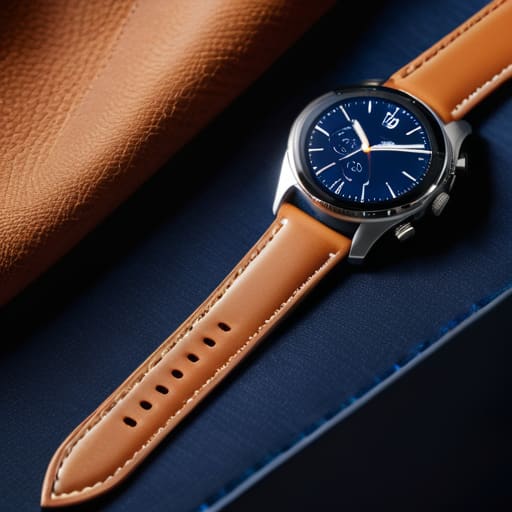
Look, most people treat a watch band like an afterthought, but if you’re wearing it sixteen hours a day, it’s a piece of equipment. The first thing you need to do is stop looking at the colors and start looking at the friction. If you’re choosing between silicone vs leather watch straps, you aren’t just picking an aesthetic; you’re picking your skin’s fate. Leather looks better with a blazer on a Wednesday, but if you’re sweating through a commute, it’s going to trap moisture and start smelling like a damp basement within a month.
If you actually move around, you need to prioritize breathable smartwatch band materials. I’m talking about nylon weaves or perforated silicone that actually lets your skin breathe. If you go for a cheap, solid rubber strap that doesn’t have any ventilation, you’re asking for wrist comfort and skin irritation issues by lunchtime. It isn’t about being “fashionable”—it’s about whether or not you’re going to be itching to rip the thing off by 3 PM. Check the texture, check the weight, and for heaven’s sake, check if it actually lets air in.
Key Things to Know
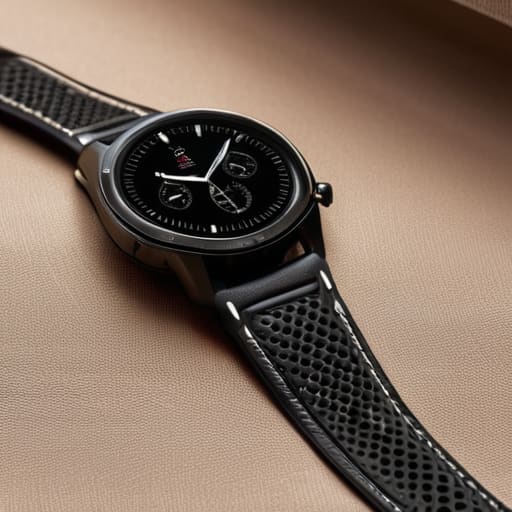
First, let’s talk about the material reality of what sits against your skin. Most people default to whatever looks sleek in the box, but they ignore the physics of it. If you are looking at silicone vs leather watch straps, you aren’t just choosing an aesthetic; you are choosing how your skin reacts to sweat and friction. Silicone is great for the gym, but if it’s cheap, low-grade stuff, it’s going to trap heat and cause a breakout. If you want something that actually breathes, look for perforated textures or high-quality fluoroelastomer.
Then there is the math of the fit. A band that is too tight creates a pressure point that will make you rip it off by lunchtime, and one that is too loose makes the sensor readings useless. Don’t just eyeball it—use a proper smartwatch band sizing guide or a piece of string to measure your actual wrist circumference. Most importantly, check your replacement band compatibility before you spend a penny. There is nothing more frustrating than finding a beautiful, durable strap only to realize the lug width doesn’t match your specific model.
Practical Tips and Steps
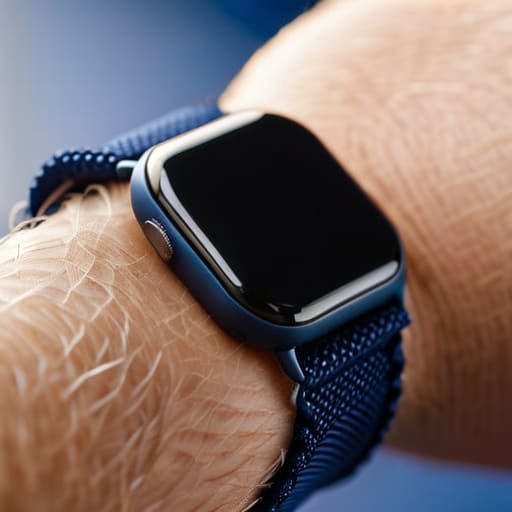
First, stop ignoring your skin. If you’re sweating through a long shift or a gym session, that cheap, non-porous plastic is going to cause a breakout, and no amount of moisturizer fixes a bad material choice. When looking for breathable smartwatch band materials, look for perforated silicone or nylon weaves. They allow air to move, which is the difference between feeling fresh and feeling like your wrist is trapped in a humid basement.
Next, let’s talk about the math of the fit. Most people grab a band based on the photo, but they ignore the actual mechanics of their wrist. If you are debating silicone vs leather watch straps, remember that leather is beautiful but high-maintenance; it absorbs sweat and can crack if you don’t treat it. Silicone is the workhorse, but it needs to sit flush without pinching. If the band is even a millimeter too tight, it’s going to irritate your skin by noon. Don’t just eye it—measure your wrist circumference with a piece of string first. It takes ten seconds, and it saves you the headache of a return.
Common Mistakes to Avoid
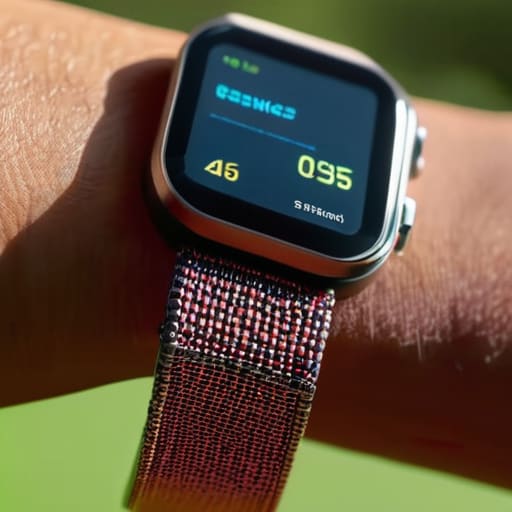
The biggest mistake I see is people treating a watch band like a disposable accessory rather than a piece of equipment that sits against your skin for sixteen hours a day. Don’t fall for the “aesthetic” trap where you buy a heavy, non-porous strap because it looks sleek in a photo, only to realize it’s causing wrist comfort and skin irritation by lunchtime. If you’re sweating under a cheap, non-breathable material, you aren’t “styling” yourself; you’re just creating a petri dish for bacteria.
Another massive blunder is ignoring the actual math of your wrist size. I see people constantly trying to squeeze into a band that’s just on the edge of fitting, which puts unnecessary tension on the pin and the material. If you aren’t checking a smartwatch band sizing guide before you click ‘buy’, you’re basically gambling. Also, stop assuming every “universal” strap actually works. Always verify replacement band compatibility with your specific model first—there is nothing more frustrating than paying for a piece of hardware that ends up sitting in a junk drawer because the lugs don’t line up.
Final Thoughts
Look, at the end of the day, your watch isn’t a piece of jewelry to be admired from across the room; it’s a tool that lives on your skin. If you’re constantly adjusting it because of wrist comfort and skin irritation, you haven’t bought an accessory, you’ve bought a nuisance. Stop looking at the marketing photos of models in pristine studios and start thinking about your actual Tuesday. Are you sweating through a meeting? Are you hitting the gym? That distinction is the difference between a strap that lasts and one that ends up in a landfill by next month.
When you’re weighing up silicone vs leather watch straps, do the math on your lifestyle. Leather looks great for a dinner, but if you’re looking for the best bands for intense workouts, you need something that can actually be cleaned without the material cracking or smelling like a gym bag. Don’t get caught out by a pretty design that ignores replacement band compatibility either—there is nothing more frustrating than finding a great material only to realize it won’t actually fit your specific model. Buy for the reality of your day, not the aesthetic of the ad.
The Neve Method: 5 ways to stop wasting money on bands that suck
- Check the lug width before you tap ‘buy’. If you’re buying a band that’s slightly too wide for the connection point, you’re going to end up with a gap that looks messy and puts unnecessary tension on the spring bars. A bad fit isn’t just an aesthetic fail; it’s how you lose your watch to the pavement.
- Stop falling for the “premium” leather trap. Unless it’s full-grain and actually treated to handle sweat, that $60 “luxury” band is going to crack and peel at the flex point within three months. I’d rather see you spend $15 on a decent silicone strap that survives a gym session than $50 on a cheap bonded leather that looks like cardboard by October.
- Evaluate the buckle, not just the color. If the buckle is flimsy or the prong is too thin, it’s going to bend. A buckle is a mechanical part; if it feels like a toy, it’s going to fail. Look for weight and tension—if it doesn’t click or hold with authority, walk away.
- Consider the friction points. If you have sensitive skin, stay away from those cheap, textured nylon weaves that feel like sandpaper after two hours of wear. It’s not a “style choice” if you’re constantly itching your wrist under your shirt cuff.
- Do the math on versatility. Don’t buy five different bands for five different moods if they’re all low-quality. One high-quality, neutral-toned fluoroelastomer or a solid stainless steel link band will outlast five “trendy” silicone ones that turn grey and gummy the moment they touch your skin oils.
## Stop paying for the name and start paying for the wear
Most people treat a watch band like a piece of jewelry, but if you’re wearing it sixteen hours a day, it’s actually equipment. Don’t let a marketing team convince you that a heavy, rigid metal link is ‘luxury’ if it pinches your wrist every time you type; a $15 high-grade silicone strap that actually breathes and fits your bone structure is a much better investment than a $200 designer band that ends up sitting in a drawer because it’s too uncomfortable to actually live in.
Neve Okonkwo-Barr
The Bottom Line
Look, choosing a band isn’t about matching your outfit to a mood board; it’s about the physics of your wrist and the reality of your daily grind. Stop getting distracted by the shiny marketing for “luxury” silicone that’s going to pill and crack in three months. Remember the math: if you spend fifty quid on a band that chafes or breaks by Tuesday, you haven’t bought an accessory, you’ve bought a headache. Focus on the material integrity—whether that’s a breathable fluoroelastomer for the gym or a sturdy leather with decent stitching for the office. If the clasp feels flimsy or the weight is off, walk away. A good band should feel like it’s part of your skin, not a piece of hardware you’re constantly adjusting.
At the end of the day, your tech should serve your life, not the other way around. You don’t need a drawer full of “trendy” straps to look put together; you just need a few pieces that actually work for your body and your schedule. Style isn’t about how much you spend on a replacement every time a new color drops; it’s about the confidence of knowing your gear won’t fail you when you’re halfway through a Wednesday. Buy for the seam, the buckle, and the longevity. Everything else is just noise.
Frequently Asked Questions
If I find a really cheap silicone band online, is it even worth the risk of it snapping or irritating my skin after a week?
Look, if it’s priced like a cup of coffee, you’re probably paying for the irritation. Cheap silicone is often poorly stabilized; it’ll either stretch out until it looks like a sad rubber band or, worse, trap sweat against your skin because the material is too dense and non-breathable. If you’re buying it just to test a color, fine. But if you want a daily driver, spend the extra ten quid on something with a decent finish. It’s not worth the rash.
Can a tailor actually fix a band that’s too long, or am I stuck buying a whole new one?
It depends entirely on the construction. If it’s a leather strap with a traditional buckle, yes—a local cobbler or even a decent tailor can shorten it for about £10–£15. If it’s a silicone sports band with those little holes, don’t bother; you’ll just end up with a messy, jagged edge that looks cheap. In that case, save your money and buy a new one. Don’t try to “fix” a molded plastic band; it’s a lost cause.
How do I tell if a "leather" band is actually going to last more than a month of daily wear, or if it's just plastic painted to look expensive?
Look at the edges. If you see a clean, perfectly uniform plastic-looking edge, it’s likely bonded synthetic—basically painted plastic that will peel by Tuesday. Real leather has a slight fuzziness to the cross-section where it’s been cut. Also, give it a squeeze; real leather has a bit of “give” and a natural scent. If it smells like a chemistry lab and feels cold like a credit card, walk away. It’s a waste of money.
