I spent two years in a cramped basement studio pinning hems for a bridal shop, and if there is one thing those silk slips taught me, it’s that we are all being lied to by denim marketing. You see it every time you walk into a high street store: a pair of jeans that looks incredible on a mannequin but leaves you looking like you’re wearing cardboard boxes. Most people think the secret to how jeans should fit is finding that one “magic” size, but that is a total myth designed to keep you spending. The truth is, the “perfect” pair doesn’t exist on the rack; it exists after you’ve dealt with the waist gap or the dreaded thigh squeeze.
I’m not here to sell you on a new collection or tell you to “embrace your curves” with vague, flowery nonsense. I’m going to tell you exactly where the fabric should hit your hip, how to spot a seam that’s going to blow out in three months, and precisely what a tailor will charge to make a $30 thrift find look like a custom piece. We’re going to talk about weight, stretch, and the actual math of a good silhouette so you can finally stop fighting your clothes.
Stop Blaming Your Body Why You Lack a Proper Denim Sizing Guide
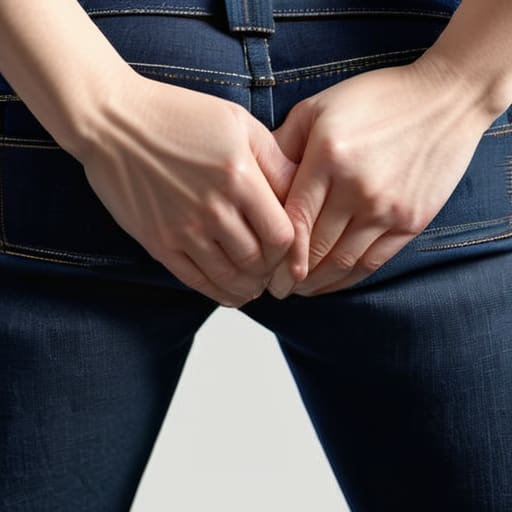
We need to stop the collective delusion that your body is “wrong” because a pair of size 10s feels like a torture device. The truth is, there is no such thing as a universal denim sizing guide that actually works, because brands aren’t designing for your specific hip-to-waist ratio; they’re designing for a mannequin that doesn’t exist. Most retail sizing is just a suggestion made by someone in a boardroom who has never actually sat down in a pair of stiff, 100% cotton jeans.
When you walk into a fitting room and feel like you’re failing a test, remember that the math is broken. A brand might call a pair “slim fit,” but if they haven’t accounted for the way denim fabric stretch behaves after twenty minutes of wear, that garment is essentially a lie. Instead of squeezing into a size just to see a number on the tag, focus on the structural reality. If the fabric is pulling at the crotch or gaping at the back, it isn’t a body issue—it’s a pattern-cutting failure. Stop trying to shrink yourself to fit a flawed measurement system.
The Physics of Denim Fabric Stretch and Why It Fails
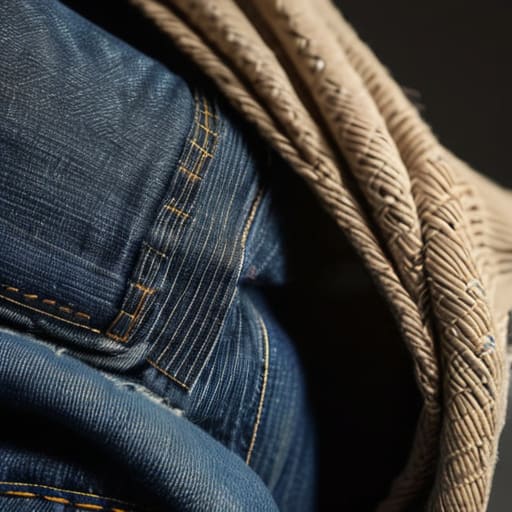
Here is the problem with modern denim: we’ve been sold a lie that “comfort” is synonymous with “stretchy.” Most brands are pumping out high-percentage elastane blends because it’s easier to manufacture a garment that stretches over a body than it is to engineer a garment that actually shapes one. When you see a massive amount of denim fabric stretch in the composition tag, you aren’t buying comfort; you’re buying a temporary illusion. That fabric feels great for the first twenty minutes in the fitting room, but after three hours of sitting at a desk or walking to the bus, the fibers lose their memory. They bag out at the knees and sag at the seat, leaving you with a silhouette that looks like it’s melting off your frame.
If you want jeans that actually last more than a single season, you have to look at the weight and the weave. A bit of stretch is fine for mobility, but if the fabric is too thin, it lacks the structural integrity to hold its shape. I always tell my clients to check the weight; if the fabric feels flimsy, it will never provide the crisp trouser silhouette types you see in high-end editorial shots. You want something with enough substance to fight back against your movement, not something that just gives up the moment you sit down.
How Jeans Should Fit Without Sacrificing Your Waistband Comfort Tips
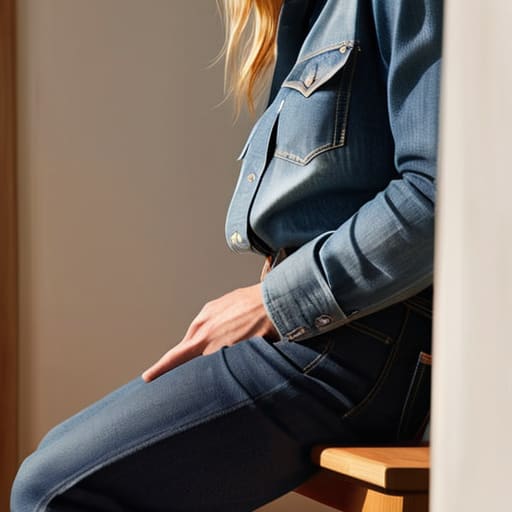
The biggest mistake I see in the changing room is the “sit test” failure. You find a pair that looks killer while you’re standing perfectly still, frozen like a mannequin, but the second you sit down, the waistband becomes a tourniquet. If you’re digging your keys into your hip or feeling like you need to unbutton them just to breathe, they don’t fit. Most people think they need to size up to get that relief, but sizing up usually just ruins the crotch depth and makes the legs look like baggy curtains. Instead, look for a pair that hits your natural waist comfortably while standing, and if there’s a gap at the back, don’t panic—that is a simple, cheap fix for a tailor.
My best waistband comfort tips always come back to the fabric composition. If you’re buying 100% cotton, you need that extra half-inch of breathing room because it won’t give. If you’re leaning into high-stretch denim, remember that stretch is a depreciating asset; it will eventually bag out. Aim for a blend that holds its shape but doesn’t feel like a compression garment. If the waist is perfect but the hips are pulling, you’ve bought the wrong trouser silhouette type for your frame, and no amount of stretching will save that seam.
Mastering the Inseam Measurement Guide to Avoid the Tailor Trap
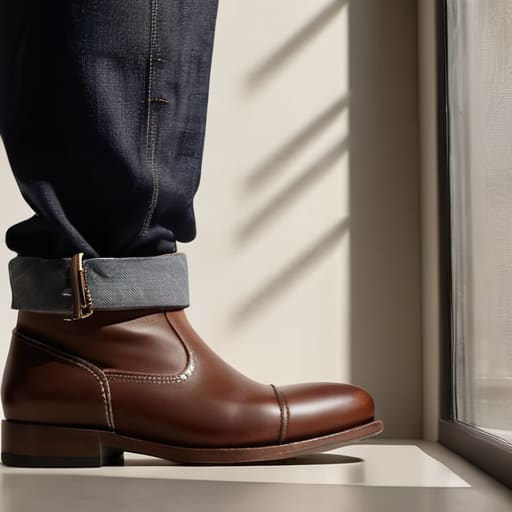
Here is the truth about the “length” listed on a tag: it is often a lie. Most brands use a generic template that ignores how different trouser silhouette types actually interact with your shoes. If you are buying straight-leg denim, you can get away with a bit of extra length for that heavy drape, but if you’re eyeing a cropped flare, an extra inch makes you look like you’re wearing someone else’s hand-me-downs. To avoid the tailor trap, you need a proper inseam measurement guide that starts from your crotch seam, not your waist.
Don’t just guess based on your height. Grab a pair of jeans you already love—the ones that don’t bunch up like an accordion at your ankles—and lay them flat. Use a soft tape measure to find the distance from the crotch to the hem. This is how to measure jeans for real-world accuracy. If you’re between lengths, buy the longer one. It is significantly cheaper to pay a local tailor £12 to take a hem up than it is to try and “style” your way out of a pile of fabric dragging on the pavement.
Choosing Trouser Silhouette Types That Actually Work on a Wednesday
Look, a Wednesday is not a runway; it’s a day of sitting in meetings, commuting, and potentially eating a sandwich over your lap. When you’re looking at different trouser silhouette types, stop asking if they are “on trend” and start asking how they behave when you actually move. A super-slim cigarette cut might look sharp in a mirror, but if there’s zero give in the fabric, you’re going to spend the entire afternoon fighting your own clothes. If you choose a silhouette that is too restrictive, you’ll end up constantly tugging at your hips, which is a fast track to ruining your posture and your mood.
I usually steer my clients toward a straight leg or a subtle wide leg for midweek wear. These shapes are much more forgiving with various denim fabric stretch levels, meaning they won’t turn into saggy, shapeless bags by 3:00 PM. A straight leg provides enough structure to look professional but offers enough room in the thigh that you aren’t trapped. If you find a pair that hits that sweet spot of structural integrity and actual mobility, you’ve won the day.
The "Don't Get Tricked" Checklist for Your Next Fitting Room Session
- Check the seat, not the stomach. If the denim is pulling tight across your crotch or creating those horizontal “stress whiskers” under your bum, the fabric is under too much tension. It doesn’t matter if the waist feels okay; if the seat is struggling, the seams will blow out in six months, and a crotch repair costs more than the jeans did.
- The “Pinch Test” for the thighs. You want enough room to slide two fingers comfortably between the fabric and your leg. If you can’t move without the fabric biting into your skin, you aren’t “shaping your silhouette,” you’re just restricting your circulation. If they’re too loose, a tailor can taper the leg for about £15–£20, but they can’t magically add fabric that isn’t there.
- Look at the rise, not the label. “High-rise” is a marketing term that means nothing if the rise isn’t hitting your specific torso length. If the waistband is digging into your ribs, the rise is too short; if it’s sagging into your lap, it’s too long. Find the spot where your natural waist actually sits and match the garment to that, not a trend.
- Evaluate the weight before you buy. Hold the jeans up. If they feel flimsy and see-through, that “stretch” you love is actually just a lack of structural integrity. A heavy, 12oz+ denim will hold its shape and mask the lumps we all have; a thin, high-stretch blend will just highlight every single thing you’re trying to smooth out.
- The waistband gap reality check. If the jeans fit your hips perfectly but there’s a two-inch gap at the back of your waist, do not walk away thinking “I’ll just wear a belt.” A belt just cinches the fabric and creates a weird bulge. Buy the ones that fit your widest point and budget £15 for a “waist nip” alteration. It turns a mediocre pair of jeans into a custom-made masterpiece.
The Golden Rule of the Fitting Room
Stop trying to squeeze into a size that matches a number on a tag; buy the pair that fits your widest point perfectly, then spend the fifteen quid to take in the waist. A well-tailored cheap pair will always look more expensive than a designer pair that’s fighting your anatomy.
Neve Okonkwo-Barr
The Bottom Line on Denim
Look, we’ve covered a lot of ground, from the physics of how much elastane your legs can actually tolerate to the reality that your waist measurement is often a lie told by a brand’s marketing department. If you remember nothing else, remember this: stop trying to force your body into a specific silhouette just because a mannequin looks that way. Focus on the fabric weight, understand how the inseam dictates your entire gait, and for the love of everything holy, prioritize the fit of your hips over a number on a tag. If the denim hits your curves but gaps at the back, that isn’t a body failure—it’s a seam allowance opportunity.
At the end of the day, a pair of jeans shouldn’t be a source of daily negotiation or a reason to feel uncomfortable by lunchtime. Your wardrobe should work for your life, not the other way around. Stop treating style like a high-stakes shopping spree and start treating it like a series of small, smart adjustments. Buy for the structure, fix for the fit, and remember that the most expensive pair of jeans in the world is the one you can’t actually stand to wear. You don’t need a new wardrobe; you just need a better relationship with your tailor.
Frequently Asked Questions
If I find a pair of vintage jeans that fit my hips perfectly but have a massive gap at the waist, is it actually worth the $25 to have a tailor take them in?
If the hips are perfect, the answer is a massive yes. That’s the holy grail of vintage shopping. Most people spend hundreds trying to fix a hip that’s too tight, but you can’t sew more fabric into a garment without it looking like a patchwork disaster. A $25 waist adjustment is a steal for a pair that actually sits where it should. It’s the difference between “I’m wearing these” and “these are mine.”
How can I tell if a pair of "stretch" jeans is actually high-quality denim or if they’re just going to turn into saggy leggings after three washes?
Check the tag, not the marketing. If it says “high stretch” and the fabric feels like a yoga pant, run. You want a blend that’s mostly cotton—around 92% to 98%—with just a tiny hit of elastane or Lycra. If the denim feels thin or “squishy” in your hands, it’s going to bag out at the knees by Tuesday. A good pair should have some structural resistance; it should snap back when you pull it.
Is it better to buy a size up and pay to have the legs tapered, or should I stick to my true size and hope the thighs don't pinch?
Buy for the widest part of your body—usually your hips or thighs—and let the tailor handle the rest. If you buy your “true size” and the thighs pinch, you’re stuck; you can’t magically add fabric where it doesn’t exist. But if you size up to accommodate your shape, tapering the legs is a standard, relatively cheap fix. It’s much easier to take fabric away than to try and invent it.
