I spent two years in a basement studio pinning bridal hems until my fingers felt like they were made of lead, and if there is one thing I learned, it’s that the fashion industry is lying to you. They want you to believe that “the perfect fit” is something you find on a mannequin, when in reality, it’s something you create after you leave the store. Most people walk into a fitting room, see a gap in the waistband or a sleeve that’s an inch too long, and think the garment is a lost cause. That is a massive mistake. Learning how to shop for alterations in mind isn’t about being a perfectionist; it’s about realizing that the clothes are secondary to the construction.
I’m not here to sell you on “investment pieces” or tell you to spend a month’s rent on a designer blazer just because the shoulder sits right. Instead, I’m going to show you the actual math of a wardrobe. I’ll teach you how to spot a seam allowance that gives a tailor room to work, which fabrics won’t fray under a needle, and exactly when a “bargain” becomes a money pit because the tailoring costs more than the shirt. We are going to stop shopping for how things look on a hanger and start learning how to shop for alterations in mind so your clothes actually work for your life.
Stop Buying for Style and Start Learning How to Shop for Alterations in Min
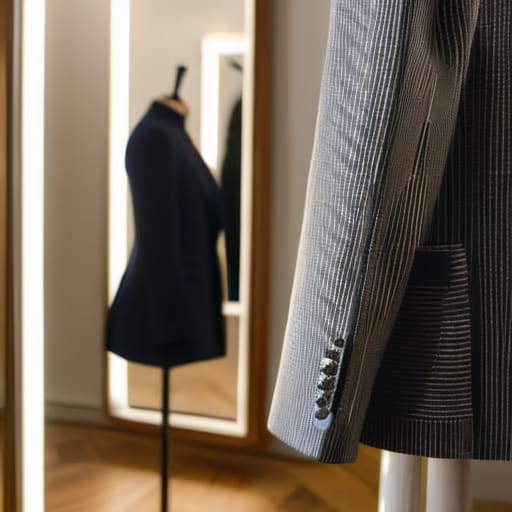
We need to stop treating shopping like we’re choosing a character in a video game. Most people walk into a dressing room, see a silhouette they like, and think, “That’s the one,” ignoring the fact that the proportions are a disaster. Real style isn’t about finding a piece that fits perfectly on the hanger; it’s about understanding garment construction for alterations before you even tap your card. If you buy a jacket because the pattern is pretty but the shoulders are too narrow, you’ve just bought an expensive piece of fabric that will never sit right.
When I’m looking at a piece for a client, I’m not looking at the trend; I’m looking at the seam allowance. You want to see enough extra fabric inside the garment to give a tailor some room to move. If a skirt is skimpy in the hips with zero wiggle room, that’s a hard no—it’s a mathematical impossibility to fix. Always prioritize choosing clothing based on shoulder fit above everything else. Shoulders are the anchor of a garment; if they’re wrong, the cost to fix them will almost always outweigh the price of the item itself.
The Shoulder Rule Why Choosing Clothing Based on Shoulder Fit Matters
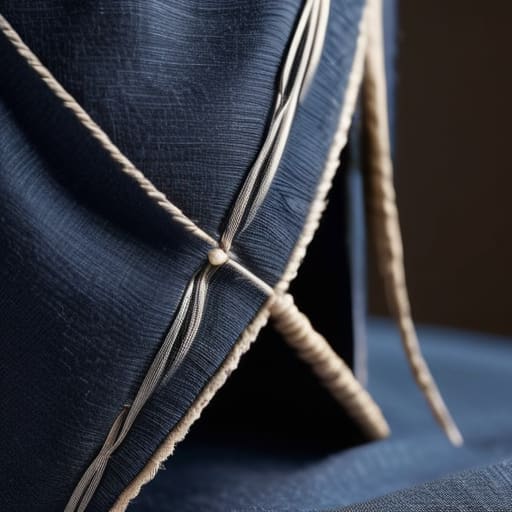
If there is one thing I learned pinning bridal hems in a basement studio, it’s this: the shoulder is the non-negotiable anchor of every garment. You can take in a waist, shorten a hem, or even nip a sleeve, but once you start messing with the shoulder seam, you aren’t just altering a piece of clothing—you are performing surgery. When a seam sits too far past your natural bone, it creates this heavy, sloping silhouette that makes even an expensive blazer look like it’s wearing you. Conversely, if it’s too tight, you’ll look like you’re wearing a suit of armor.
When you are choosing clothing based on shoulder fit, you need to look at the construction. I always tell my clients to check the seam allowance inside the garment. If there isn’t enough extra fabric tucked into that shoulder seam, a tailor won’t be able to move it without completely rebuilding the sleeve head, which will skyrocket your clothing fit and alteration costs. Aim for a shoulder that hits right where your arm meets your torso; if the shoulders fit, everything else is just a math problem.
Understanding Garment Construction for Alterations Before You Tap Your Card
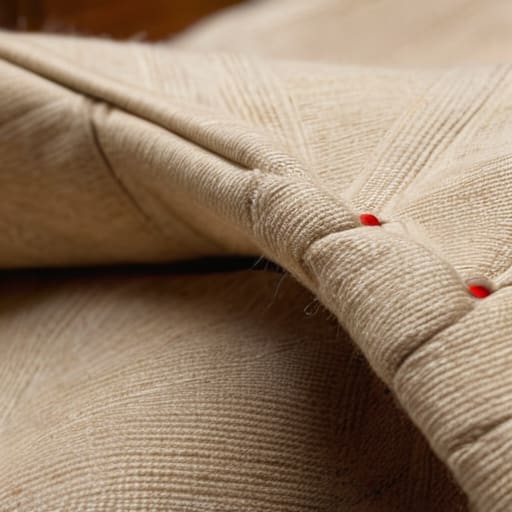
Before you tap your card, you need to look past the color and the brand name and actually look at how the thing is put together. I spent two years in a basement studio pinning hems, and if there’s one thing I learned, it’s that some clothes are built to be changed, while others are basically structural dead ends. When you are understanding garment construction for alterations, your best friend is the seam allowance. Turn the garment inside out; if there’s a generous strip of extra fabric tucked inside the seams, you’ve hit gold. That extra fabric is your margin for error, allowing a tailor to let out a waist or a hip without the garment looking like it was reconstructed from scraps.
On the flip side, be wary of “fused” construction or heavily bonded fabrics. If a cheap blazer has a stiff, glued-in interfacing that runs from the shoulder to the hem, a tailor can’t easily reshape it without the whole thing losing its soul. You’ll end up spending more on the labor than the jacket was worth. Always check the integrity of the seams—if the stitching looks thin or the fabric is so delicate it might fray the moment a needle touches it, walk away. Knowing these tailoring considerations when buying clothes saves you from the heartbreak of a “bargain” that ends up being unfixable.
The Seam Allowance Secret How Much Room You Actually Need
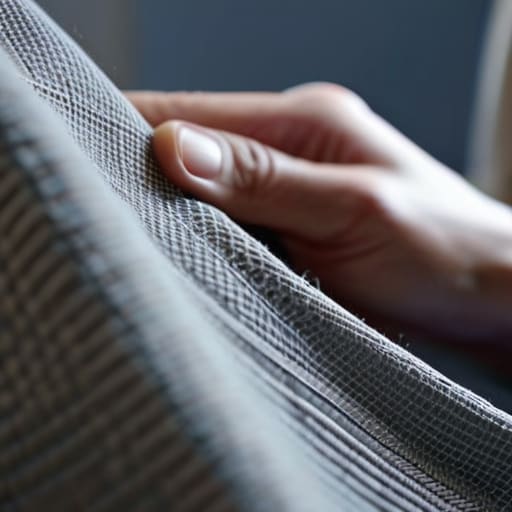
Flip a garment inside out before you even think about the price tag. I’m not looking at the brand; I’m looking at the guts of the seam. Most fast fashion brands use “serged” edges—those messy, overlocked threads that wrap around the raw edge of the fabric—and they leave absolutely zero room for error. If you buy a pair of trousers that are tight in the hips and they have no extra fabric tucked inside, you are stuck. You can’t go bigger, and you can’t go smaller. You’ve just bought a very expensive mistake.
When you are buying clothes for custom tailoring, you need to hunt for what I call “the buffer.” Look for a generous seam allowance—that extra flap of fabric between the stitch line and the edge. If there’s at least an inch of fabric there, a tailor can actually move the seam to accommodate your curves or a different silhouette. This is one of the most important tailoring considerations when buying clothes because it’s the difference between a garment that grows with you and one that’s destined for a landfill. Always prioritize the extra fabric over the perfect initial fit.
Doing the Maths on Clothing Fit and Alteration Costs
Here is the math. If you find a vintage wool blazer for £15 in a charity shop, but the sleeves are four inches too long and the waist is boxy, you aren’t looking at a £15 blazer. You are looking at a £15 blazer plus £35 in tailoring. Suddenly, that “steal” is a £50 garment. Before you tap your card, you need to do a quick mental calculation: Price of the item + estimated cost of repairs = the real price. If the math doesn’t work, walk away. I see people all the time trying to force a budget to work by buying “cheap” clothes that actually require expensive structural changes just to look human.
When you are buying clothes for custom tailoring, you have to distinguish between a “tweak” and a “rebuild.” Taking in a waist or shortening a hem is a standard, relatively low-cost job. But if you’re trying to move a button or adjust a neckline, you’re paying for labor, not just thread. Always look for clothing fit and alteration costs that scale with the garment’s quality. It is much cheaper to fix a high-quality silk blouse than it is to try and make a polyester fast-fashion top look expensive through sheer willpower.
The Quick-Check List: Five Things to Do Before You Leave the Fitting Room
- Check the fabric weight against the intended fix. If you’re looking at a heavy, structured wool coat but the waist is too boxy, be prepared to pay more; heavy fabrics require more skill (and more of my time) to taper without making the garment look lumpy.
- Look for “natural” fibers over blends when you know you’ll need shaping. A 100% cotton shirt or a pure wool trouser takes a needle much more gracefully than a polyester-heavy blend that has the structural integrity of a plastic bag and might melt or pucker under a heavy stitch.
- Inspect the hardware before you commit. If a blazer has a beautiful silhouette but the buttons are cheap, flimsy plastic, factor in the cost of replacing them. It’s a ten-minute job for me, but if you don’t account for it, that “bargain” just became a chore.
- Avoid “engineered” fits that fight the seam. If a garment has complex, decorative topstitching or heavy embroidery running right through the area you need to take in, walk away. You’ll end up paying a premium for a tailor to deconstruct the design just to make it fit your ribs.
- Always hold the garment up to your body, not just on the hanger. A garment might look “fine” on a mannequin, but if the rise is too short or the armholes are digging in, you’re looking at structural alterations that cost way more than a simple hem. Buy the shape you can actually move in.
The Math of the Wardrobe
Stop looking at the price tag as the final cost; the real price of a garment is what you paid at the till plus what you’ll pay a tailor to make it actually fit your body. If you can’t afford the seamstress, you can’t afford the shirt.
Neve Okonkwo-Barr
The Bottom Line
At the end of the day, shopping shouldn’t be about finding the “perfect” item on a mannequin; it’s about finding the piece with the right bones that you can actually make perfect. We’ve covered the heavy hitters: check your shoulders first, look for that extra seam allowance so you aren’t trapped in a garment, and always, always do the math on the alteration cost before you leave the shop. If a beautiful silk blouse costs fifty quid but requires a total structural overhaul to fit your bust, that’s not a bargain—it’s a math error. Stop looking for clothes that fit your body right this second and start looking for clothes that have the potential to grow, shrink, and shift alongside you.
I know the industry tries to make us feel like we’re failing if we don’t look like a filtered photo the moment we step into a fitting room, but that is a lie designed to make you spend more. Real style isn’t about buying a lifestyle; it’s about curating a toolkit. When you stop shopping for the “ideal” version of yourself and start shopping for the fabric and construction that allows for real-life adjustments, you win. You end up with a wardrobe that actually works on a Tuesday morning, not just one that looks good in a mirror for five seconds. Buy for the construction, plan for the tailor, and trust the process.
Frequently Asked Questions
Is there a certain type of fabric that is just too expensive or too difficult for a tailor to work with, no matter how much I'm willing to pay?
Look, I’ll be honest: some fabrics are just temperamental. Heavy, structured wools are my bread and butter, but if you bring me a sheer, high-stretch synthetic or a delicate silk chiffon with a frayed edge, we’re going to have a problem. It’s not always about the money; it’s about the physics. Some fabrics simply won’t hold a stitch or a press without looking like a crumpled paper bag. Always check the fiber content before you commit.
How do I know if a tailor is actually good at what they do versus just being able to sew a straight line?
Look, anyone can follow a seam, but a real tailor understands architecture. When you walk in, don’t just look at their machines; look at their workspace. Is it organized, or is it a graveyard of discarded scraps? Ask them a specific question, like “Can you take in this waist without pulling the side seams?” If they give you a vague “I’ll try,” walk away. A pro talks about tension, grainlines, and how the fabric will hang.
If I find something amazing in a charity shop that's two sizes too big, is it actually worth the cost of the alterations, or am I just throwing money away?
Don’t just look at the price tag; look at the fabric and the construction. If it’s 100% wool or heavy linen with sturdy seams, it’s a goldmine. If it’s a flimsy polyester blend, walk away—the fabric won’t hold the new shape. Do the maths: if the item is £5 and the tailor wants £20, you’ve spent £25. If that’s the price of a decent coat that actually fits, it’s a win.
