I spent two years in a cramped basement studio pinning hems for a bridal shop, and if there is one thing I learned, it’s that a high price tag is the most unreliable indicator of a good garment. I once saw a “designer” leather jacket that cost more than my monthly rent, but the moment I touched it, I knew it was rubbish; the grain was just a printed pattern on a thin, plastic-coated surface. People get so caught up in the brand name that they completely miss how leather quality varies between a hide that breathes and ages beautifully and one that will literally peel off your shoulders by next Tuesday.
I’m not here to sell you on a lifestyle or teach you how to shop for status. My goal is to show you the actual math of durability—the difference between full-grain, top-grain, and that deceptive “genuine leather” nonsense they use to pad margins. I’ll teach you how to spot a sturdy seam, which finishes actually hold up to a rainy Wednesday, and exactly what you’re paying for when you choose one texture over another. We are going to build a wardrobe that actually lasts, regardless of the label.
The Lie of the Price Tag How Leather Quality Varies
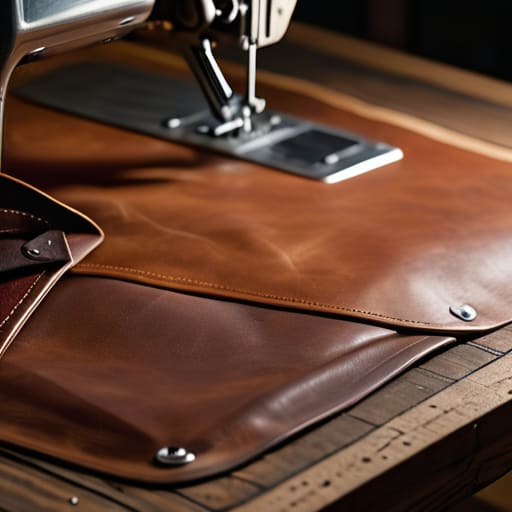
The biggest scam in the industry is the assumption that a higher price tag automatically means a better hide. I’ve spent enough time hunched over a sewing machine to know that a £500 jacket can sometimes be a total disaster if the manufacturer has been lazy with the material. Most people think they’re buying longevity, but they’re often just paying for a fancy logo slapped onto a surface that’s about to fail.
When you’re looking at the leather grading system explained in those glossy brochures, they rarely tell you the truth about what’s happening under the surface. You’ll often see “genuine leather” used as a marketing term, but in my world, that’s usually code for the scraps left over after the good stuff is gone. If you want something that actually lasts, you need to look for top grain vs full grain leather distinctions. Full grain is the real deal—it hasn’t been sanded down to hide imperfections, meaning it develops a patina instead of just cracking. If a jacket feels suspiciously uniform and plastic-y, it’s likely heavily processed, and no amount of “care” will stop it from peeling by next winter.
Full Grain vs Top Grain the Maths of Real Longevity
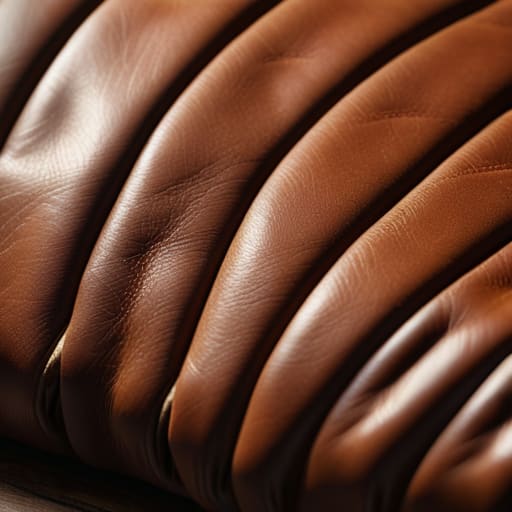
Here is the breakdown of the leather grading system explained, minus the marketing fluff. When you’re looking at a jacket, you’re usually choosing between two heavy hitters: full grain and top grain. Think of full grain as the “raw” version—it uses the entire thickness of the hide, including all those natural imperfections that actually make it strong. It’s the gold standard because it develops a patina rather than just falling apart. If you want a piece that looks better in five years than it does today, this is your target.
Top grain, on the other hand, is what most brands call “premium” to justify a higher markup. In reality, they’ve sanded down the top layer to remove scars or unevenness, creating a more uniform leather surface finish and texture. While it feels smoother and more “perfect” in the shop, you’re essentially paying for a thinner, weaker hide. It lacks the structural integrity of full grain, meaning it won’t age nearly as gracefully. If a brand won’t tell you which one they’re using, they’re probably hiding the fact that they’ve opted for the cheaper, sanded-down version.
The Truth About Corrected Grain and Disappearing Textures
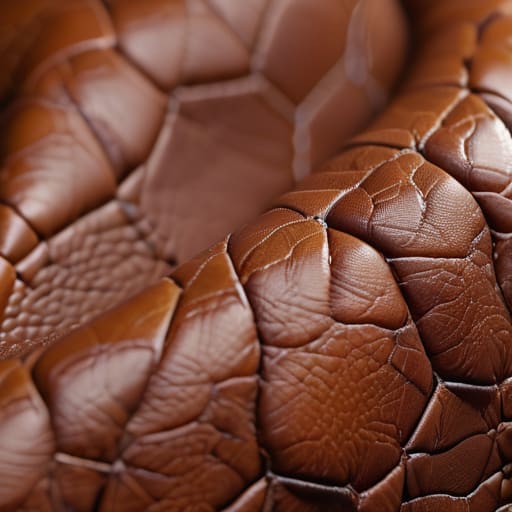
Now, let’s talk about the stuff that looks suspiciously perfect in the shop window. You’ll see a jacket that looks incredibly smooth, almost plastic-like, and the salesperson will tell you it’s “premium.” Usually, it’s corrected grain leather. To make a lower-grade hide look uniform, manufacturers sand down the entire surface to remove natural imperfections. It sounds efficient, but they’re essentially stripping away the character and the strongest fibers of the hide. To fix the “damage” they just caused, they coat it in a heavy pigment or a synthetic finish.
This is where the durability of corrected grain leather fails you. Because that top layer is basically a painted shield, it doesn’t breathe, and it doesn’t age; it just cracks. While a full-grain piece develops a patina that tells a story, corrected grain just starts peeling in unsightly flakes once the coating loses its grip. If you’re looking at leather surface finishes and texture and it feels more like a car seat than a living material, walk away. You aren’t buying a piece that lasts; you’re buying a temporary illusion.
Decoding Tanning Processes to Save Your Wardrobe
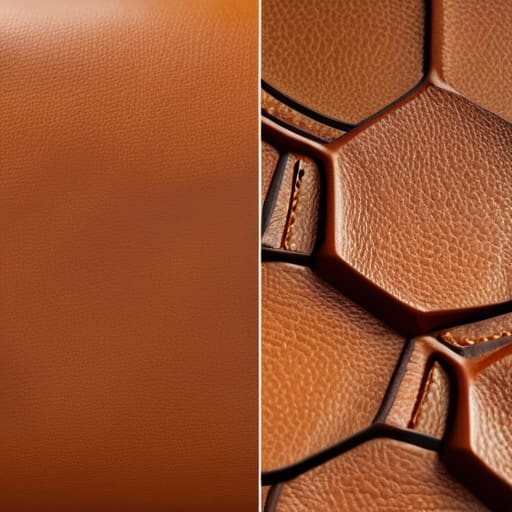
Once you’ve sorted out the grain, you have to look at how the skin was actually treated. This is where the leather tanning processes and quality really diverge from the marketing fluff. Most high-street brands lean heavily on chrome tanning because it’s fast, cheap, and produces leather that’s incredibly soft right off the rack. It feels great in the changing room, but it lacks character. Because the chemicals used are so aggressive, the leather often lacks that natural ability to develop a patina; instead of getting better with age, it just gets tired and starts to look plasticky.
If you want something that survives a decade of commutes and rainy Wednesdays, look for vegetable-tanned options. It’s a slower, more traditional method using plant tannins, and while it’s more expensive upfront, the structural integrity is miles ahead. It’s stiffer at first, which might scare you off, but it’s the difference between a jacket that shapes itself to your body and one that just loses its silhouette after three wears. When you’re identifying genuine leather quality, don’t just smell it—look for how the surface reacts to light. Real, well-tanned leather has a depth that no synthetic coating can mimic.
Identifying Genuine Quality Before You Swipe Your Card
When you’re standing in a fitting room or staring at a website, stop looking at the brand name and start looking at the edges. If you can, grab the piece and give it a gentle tug. Real, high-quality leather has a certain tension; it fights back just a little. If it feels like you’re stretching a piece of thin, cold plastic, walk away. You’re looking for those tiny, natural imperfections—the slight variations in pore patterns that prove you aren’t holding a mass-produced sheet of synthetic coating.
I always tell my clients to check the underside of a seam or a hem if they can. That’s where the marketing fluff disappears. If the underside looks exactly like the top, it’s likely a heavily processed finish designed to hide a low-grade hide. Identifying genuine leather quality is about finding that balance between a smooth surface and a visible, organic grain. Don’t let them sell you on “suppleness” if it feels suspiciously like a sponge; true durability comes from the density of the hide, not how much chemical softener they’ve pumped into it.
My Cheat Sheet for Not Getting Scammed by a Pretty Hide
- Check the underside and the edges. If you see a fuzzy, fabric-like texture or a plastic-looking coating on the raw edges, you’re looking at bonded leather—which is basically just leather scraps glued together with a prayer. It’ll peel in a season, and no amount of conditioning will save it.
- Do the “pinch test” on the surface. Real, high-quality leather should have a bit of life to it; when you press your finger into it, you should see tiny, natural wrinkles form around the pressure point. If it feels like you’re pressing into a piece of smooth PVC or a yoga mat, walk away.
- Smell it, don’t just look at it. I know, it feels weird, but a high-quality piece should have that deep, earthy scent of the tanning process. If it smells like a chemical factory or a new car air freshener, that’s a massive red flag that they’ve used heavy synthetic finishes to mask poor-quality skins.
- Look at the weight versus the stiffness. A common mistake is thinking “heavy means expensive,” but a heavy jacket can actually just be thick, low-grade hide that’s been stiffened with chemicals to hide flaws. You want leather that has a certain “drape”—it should feel substantial but move with your body, not fight it.
- Inspect the seam allowance and the stitching. Even the best leather is useless if the construction is rubbish. If the stitches are uneven or look like they’re straining against the leather, it means the hide was too thin or brittle to handle the tension. A good tailor can fix a hem, but they can’t fix a garment that’s structurally falling apart at the seams.
## Stop Paying for the Logo, Start Paying for the Grain
“Stop letting a high price tag trick you into thinking you’re buying a lifetime companion; if that ‘luxury’ jacket feels like plastic and has a surface so uniform it looks like it was printed in a factory, you aren’t buying leather, you’re buying a ticking clock of peeling layers and regret.”
Neve Okonkwo-Barr
The Bottom Line on Your Leather
Look, at the end of the day, don’t let a shiny logo or a high price tag do the thinking for you. We’ve covered the ground: full grain is the gold standard because it actually develops a patina instead of just falling apart, while corrected grain is often just a cheap hide hiding under a thick layer of plastic coating. If you can’t feel the natural texture or if the “leather” feels suspiciously uniform and cold, walk away. Remember, a slightly more expensive piece of real, full-grain leather is almost always cheaper in the long run than buying a “luxury” corrected-grain jacket every single season because the surface started peeling. Do the maths on the cost-per-wear before you commit.
Building a wardrobe that actually lasts isn’t about having a massive budget; it’s about having the patience to look past the marketing fluff. You don’t need a closet full of “trends” that lose their shape by next Tuesday. You need a few solid, well-made pieces that respect the material they’re made from and, more importantly, respect your wallet. Stop trying to buy your way into style and start investing in integrity. When you find that one perfect, high-quality piece, you won’t just look better—you’ll feel the difference every time you put it on.
Frequently Asked Questions
If I find a vintage leather piece at a charity shop, how can I tell if the leather is actually high quality or just well-preserved plastic?
First, do the touch test. Real leather is warm; if it feels cold or suspiciously plasticky, walk away. Then, look for the “pore” pattern. High-quality vintage leather has slight irregularities—nature isn’t perfect. If the grain looks like a repeated stamp, it’s likely corrected or synthetic. Finally, check the smell. It should smell earthy and rich, not like a chemical factory or a new car interior. If it smells like glue, it’s a fake.
Is it actually worth paying a tailor to fix a leather garment, or does the material degrade too much once you start cutting into it?
Look, I get the hesitation. Leather isn’t like a cotton shirt where you can just rip a seam and start again. If you’re talking about taking in a waist or shortening a hem, yes, it’s worth it—but you’re paying for the specialist skill, not just the stitch. Expect to pay more than a standard hem because they’re working with heavy needles and specific adhesives. If the leather is thin or heavily coated, leave it alone; it’ll just crack. But if it’s a solid, full-grain piece? Fix it. That’s how you make a twenty-year jacket actually fit your life.
Can I tell if a leather jacket is going to crack in a year just by feeling the weight and flexibility of the hide in the shop?
Weight tells you if it’s substantial, but flexibility tells you if it’s alive. If it feels stiff like cardboard, it’s likely heavily coated in plastic to hide flaws—that’s your future cracking. You want a hide that moves with your hand, not fights it. Give it a gentle squeeze; if it bounces back without looking like crumpled paper, the oils are still there. If it feels “rubbery,” run. That’s just cheap corrected grain masquerading as luxury.
