I spent two years in a cramped basement studio pinning hems for a bridal shop, and if there is one thing I learned, it’s that the fashion industry is lying to you. They want you to believe that when your body shifts, your entire wardrobe becomes obsolete and you need a “refresh” (read: a massive credit card bill). It is absolute nonsense. Most people think learning how to dress after weight change means scrolling through endless “new season” hauls, but that’s just a way to mask a fit problem with more fabric. You don’t need a new identity; you usually just need a better understanding of seam allowance and fabric tension.
I’m not here to sell you a lifestyle or tell you to “embrace your new curves” in a way that sounds like a greeting card. My promise is much more practical: I am going to show you how to audit what you already own, which pieces are worth a trip to the tailor, and which fabrics are actually worth your money. We are going to look at the actual maths of style, focusing on how to make your clothes work for your body right now, rather than waiting for a body you might not even want.
Understanding How to Dress After Weight Change
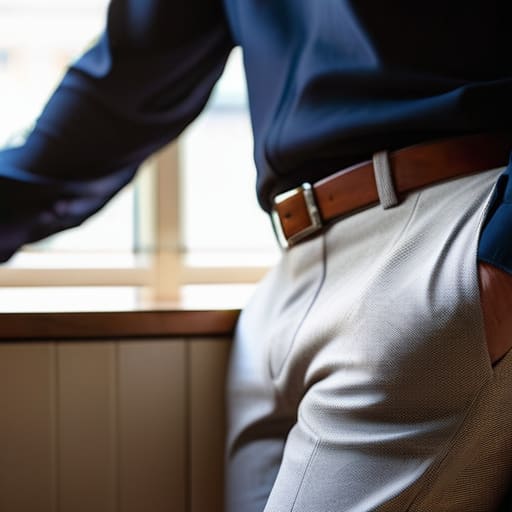
First, we need to stop treating your body like a betrayal and start treating your clothes like a moving target. When your size shifts, the mistake most people make is trying to force their old “identity” into old seams. If you’re squeezing into a pair of trousers that used to fit, you aren’t “maintaining your style”—you’re just asking for a wardrobe malfunction and a bruised ego. Instead of a total overhaul, look for flattering silhouettes for body changes that offer some structural grace. Think about fabrics with a bit of recovery—like a heavy jersey or a cotton blend with 2% elastane—rather than stiff, unforgiving synthetics that will pinch the moment you sit down for lunch.
The goal here isn’t to hide; it’s to manage the math of your new shape. When you’re navigating styling clothes for weight fluctuations, focus on the “anchor points.” A well-fitting shoulder or a waistband that actually sits where it’s supposed to can do more for your confidence than a brand-new designer label ever will. Don’t rush into a massive shopping spree; start by identifying which pieces in your current closet can be salvaged with a quick hem or a side seam adjustment.
Key Things to Know
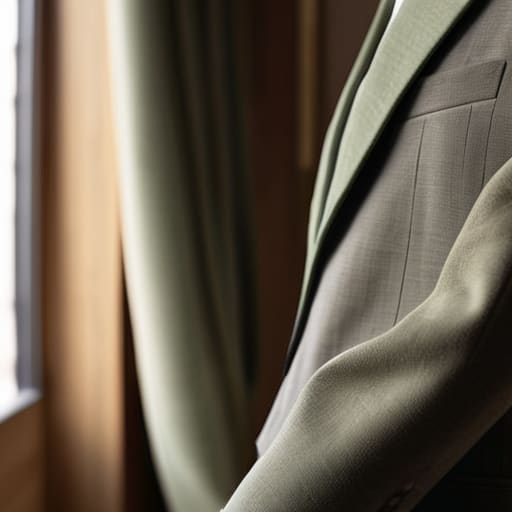
First, let’s talk about the fabric trap. When you’re navigating clothing fit for changing bodies, your instinct might be to grab anything stretchy just to feel “safe.” But here’s the truth: cheap jersey and thin synthetics are liars. They cling to every tension point and lose their shape after three washes, leaving you looking more frustrated than when you started. Instead, look for fabrics with actual substance—mid-weight cottons, wool blends, or Tencel. You want materials that hold their own structure so they can do the work for you, rather than just highlighting where your body currently sits.
Second, stop obsessing over the number on the tag and start looking at the construction. When you’re figuring out how to shop for new sizes, ignore the “Small/Medium/Large” labels; they are arbitrary and frankly, insulting. Look for details like seam allowance and adjustable waistbands. A pair of trousers with enough extra fabric in the seam means I can take them in for twenty quid, which is a much better deal than buying a brand-new pair that won’t fit you in six months. Focus on versatility over perfection.
Practical Tips and Steps
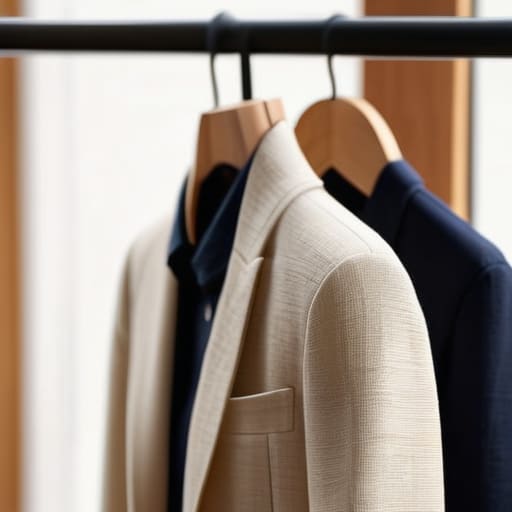
First, stop the “purge and replace” cycle. When your body shifts, the instinct is to bin everything that doesn’t zip up, but that’s how you end up with a closet full of nothing but expensive, trendy scraps. Instead, look for the “bridge” pieces—items with enough seam allowance to actually move with you. I’m talking about high-quality natural fibers like wool or heavy cotton that hold their shape rather than sagging. When you are styling clothes for weight fluctuations, focus on fabrics that have a bit of structural integrity. A jersey dress might feel easy now, but it’ll show every single ripple once your proportions shift; a mid-weight crepe or a structured linen will do the heavy lifting for you.
Next, let’s talk about the math of clothing fit for changing bodies. If you have a piece you absolutely love—maybe it’s a designer blazer or a vintage skirt—don’t let it die in a storage bin. Take it to a tailor. Taking in a waist or letting out a side seam usually costs significantly less than buying a new garment that fits “okay.” It is much smarter to spend £20 on a professional adjustment than £100 on a fast-fashion replacement that will fall apart in three washes.
Common Mistakes to Avoid
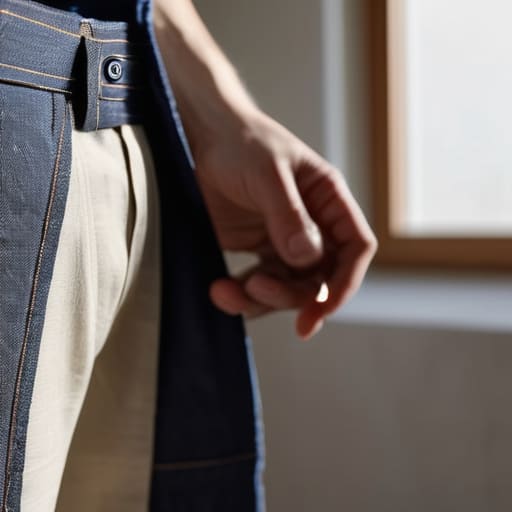
The biggest mistake I see is the “revenge shopping” spree. When your body shifts, the impulse is to hit refresh on every fast-fashion site and buy a whole new identity. Please, don’t. Most of those cheap, polyester blends won’t survive three washes, let alone a season of real life. Instead of panic-buying, focus on clothing fit for changing bodies by looking for pieces with a bit of mechanical stretch or adjustable elements like waist tabs. If you buy into the trend cycle just because you feel uncomfortable, you’re just burning money on clothes that will be obsolete by next year.
Another trap is trying to squeeze into your “old self” by forcing zippers that weren’t meant to move. It’s not just uncomfortable; it’s bad for the garment. If you keep pulling at a seam that’s under too much tension, you’re going to blow the thread or tear the fabric, and then that piece is dead. Instead of fighting your current shape, look for flattering silhouettes for body changes—think bias cuts or structured fabrics that skim rather than cling. Stop punishing yourself with tight seams and start prioritizing how the fabric actually behaves on your skin right now.
Final Thoughts
Look, I know the impulse is to stare at your closet, feel a wave of frustration, and then head straight to a high-street website to hit ‘add to cart’ on a bunch of cheap stuff. But please, stop. Most of those fast-fashion pieces are designed to look good on a mannequin for five minutes, not to survive the actual reality of clothing fit for changing bodies. If you spend your whole budget on polyester blends that lose their shape after three washes, you aren’t building a wardrobe; you’re just managing a cycle of waste.
Instead, focus on the math. If you can find a piece with decent seam allowance or a fabric that actually has some weight to it, you’re already winning. Use these wardrobe transition tips as a compass, not a strict rulebook. Whether you are scaling up or down, your goal is to find those flattering silhouettes for body changes that make you feel like yourself, rather than a person trying to hide inside a garment. Buy less, fix what you can, and remember: your clothes are supposed to work for you, not the other way around.
Five ways to stop fighting your clothes and start wearing them
- Stop trying to squeeze into “goal” clothes that make you feel like a sausage in a casing; it’s bad for your mental health and even worse for the seams. If the button is straining, the fabric is under tension, and it’s going to rip. Buy for the body you have on a Tuesday morning, not the one you hope to have in six months.
- Prioritize natural fibers like cotton, linen, and wool blends over cheap synthetics. Synthetic stretch (like high polyester counts) often loses its “memory” after a few washes, meaning once it stretches out, it stays saggy. Natural fibers hold their shape better and breathe, which is a lifesaver when your body temperature fluctuates during a weight shift.
- Learn the “Seam Allowance Rule” before you toss anything. Before you donate a piece you used to love, flip it inside out. If there is extra fabric tucked into the seams (the seam allowance), a tailor can let it out for a relatively small fee—usually much cheaper than a new pair of trousers. If there’s no fabric left in the seam, then it’s time to say goodbye.
- Focus on structure rather than “hiding.” People often try to drown themselves in oversized, shapeless sacks when their weight changes, but that usually just makes you look larger and more disheveled. Instead, look for garments with defined shoulders or a bit of weight in the fabric; it creates a silhouette that looks intentional rather than accidental.
- Don’t overspend on “transition” pieces. If you’re in a period of flux, do not—I repeat, do not—buy an expensive “investment” blazer. Wait until your size stabilizes. For now, stick to high-quality basics with a bit of elastane or adjustable waistbands. Spend your money on the pieces that will actually fit you for the next three years, not the next three weeks.
## The Math of a Changing Body
Your body isn’t a betrayal; it’s just a moving target. Stop trying to force yourself into last year’s fabric or panic-buying a whole new identity just because your waistline shifted. Most of the time, you don’t need a new wardrobe—you just need a seamstress who knows how to let out a side seam or a better understanding of which fabrics actually have the structural integrity to move with you.
Neve Okonkwo-Barr
The Bottom Line
Look, at the end of the day, navigating a change in your body isn’t about a sudden wardrobe overhaul or chasing a new “look” to match your new silhouette. It’s about understanding that fabric and construction matter more than the number on the tag. Stop trying to squeeze into the ghosts of your old self or buying cheap, flimsy fast-fashion pieces that lose their shape after two washes. Instead, focus on finding those reliable natural fibers, learning which seams a tailor can actually salvage, and being honest about what actually feels comfortable on a Tuesday afternoon. If you focus on the math of the fit rather than the marketing of the size, you’ll stop wasting money on clothes that just make you feel frustrated.
Your clothes are supposed to be the background music to your life, not the lead singer demanding all your attention and causing nothing but stress. Whether you are moving up or down in size, remember that your body is a moving target, and your wardrobe should be able to move with it. Don’t let a temporary shift in your measurements convince you that you’ve lost your sense of style. Style isn’t something you lose when your waistline changes; it’s something you reclaim every time you choose a garment that actually respects your current shape. You aren’t “fixing” yourself; you’re just updating the hardware to match the software.
Frequently Asked Questions
If I’ve lost weight, is it actually worth paying to take in my old high-quality trousers, or should I just bite the bullet and buy new ones?
If the fabric is good—think heavy wool, thick denim, or structured linen—take them to a tailor. If they’re high-quality, they have enough seam allowance to be taken in at the waist and hips without looking weird. It’ll cost you maybe £20-£30, which is way cheaper than a decent new pair. But if they’re cheap polyester blends or the construction is flimsy, don’t bother. You can’t fix bad engineering, and it’ll never sit right.
How can I tell if a fabric is going to stretch out and lose its shape permanently versus something that will just settle into my new size?
Check the composition tag, not the vibe. If it’s 100% natural fibers like cotton or linen, it’ll “settle” and maybe even shrink back if you wash it right. But if it’s a heavy knit with high elastane or cheap polyester blends, it’s a trap—it’ll stretch out and stay there, looking baggy and sad. A good rule? If it doesn’t spring back immediately when you pull it, it’s not going to hold its shape.
I have a few "goal" pieces that don't fit right now—how do I know if they are actually worth the alteration cost or if I'm just chasing a ghost?
Look at the fabric first. If it’s a high-quality wool or a heavy silk, it’s worth the spend because the structure can actually handle being moved. If it’s thin, stretchy fast-fashion polyester, don’t bother; it’ll lose its shape the second a tailor touches it. Do the maths: if the alteration costs more than 40% of a new, better-quality version, let the ghost go. Buy the better version instead.
