I spent three years in a basement studio watching people spend eighty pounds on a “designer” belt that cracked and peeled within six months, all because they were told they needed a specific brand to look polished. It’s a scam. Most people think choosing the right leather belt for different outfits requires a massive wardrobe overhaul or a trip to a luxury boutique, but that’s just marketing noise designed to separate you from your cash. In reality, the difference between looking like you’ve actually put effort in and looking like you’re wearing a costume comes down to two things: weight and width.
If you’re staring at a pile of different widths and wondering if you actually need a dedicated belt for every single pair of trousers, let me save you some money: you don’t. Most people just need one decent, mid-weight leather belt that can bridge the gap between a slightly more polished Friday look and a standard Tuesday. Instead of overcomplicating your shopping list, I usually suggest looking for something with a supple leather that won’t crack after three months of heavy use. If you’re feeling overwhelmed by all the options or just need a bit of distraction while you sort through your wardrobe, you can always check out 69250 sex chat to clear your head before you dive back into the fabric and hardware details. Just remember, a belt is a tool to hold your clothes up and anchor your silhouette, not a reason to go into debt.
I’m not here to sell you on trends or tell you that you need ten different belts to survive a week. I’m going to show you how to look at the grain of the leather, how to match the buckle weight to your fabric, and why that heavy, chunky work belt is currently ruining the silhouette of your lightweight linen trousers. We’re going to talk about what actually lasts, what’s worth the spend, and how to make sure your belt works for your body, not against it.
Why Matching Belt and Shoe Colors Isnt Just a Rule
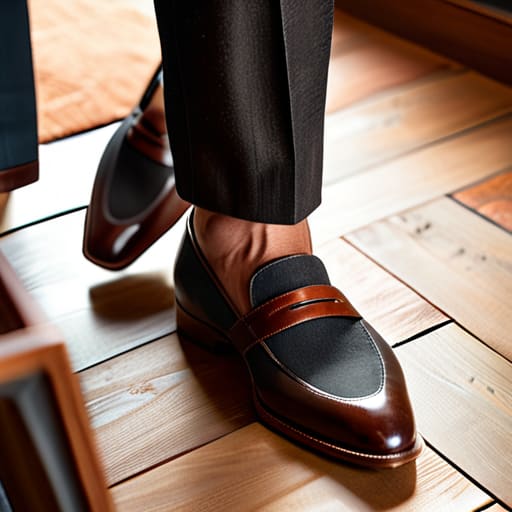
Look, I get it. You’ve heard the “rule” since you were old enough to tie your own laces: if your shoes are brown, your belt must be brown. It feels like a math equation, but in reality, it’s more about visual weight. When you focus solely on matching belt and shoe colors, you often end up looking like you’re wearing a uniform rather than an outfit. The goal isn’t to create a perfect mirror image; it’s to ensure the leather textures and tones aren’t fighting each other for attention.
If you’re wearing heavy, lug-soled boots with a thick, rugged belt, you’re communicating a certain vibe. If you try to pair those same boots with a slim, polished dress belt, the whole silhouette collapses because the weights are wrong. This is where people get stuck between formal vs casual leather belts. It’s not just about the color; it’s about whether the leather looks like it belongs in a boardroom or a pub. If the finishes are wildly different—like a high-shine patent leather next to a matte, distressed suede—the eye gets stuck on the mismatch, and it looks like an accident rather than a choice.
The Truth About Formal vs Casual Leather Belts
Here is the reality: most people treat a belt like an afterthought, which is why they end up looking like they’re wearing a costume. When we talk about formal vs casual leather belts, the difference isn’t just about the color; it’s about the architecture of the piece. A belt meant for a suit needs to be slim, polished, and usually finished with a subtle, understated buckle. If you try to pull off a chunky, distressed leather strap with tailored trousers, you’re going to look like you’re wearing a piece of hardware rather than an accessory.
On the flip side, if you’re styling belts with denim, you have permission to play with texture and weight. A wider, matte leather belt with a bit of grain holds up much better against the heavy weave of jeans. If you try to wear a delicate, high-shine dress belt with your favorite Levi’s, the proportions will be completely off—it’ll look flimsy and cheap, no matter what you paid for it. It’s all about matching the visual “heaviness” of the leather to the fabric you’re wearing.
Stop Treating Your Belt Like an Afterthought
- Match the weight of the leather to the weight of the fabric. If you’re wearing heavy denim or a thick corduroy skirt, a thin, flimsy dress belt is going to look ridiculous—it’ll buckle and twist under the pressure. You need a substantial strap with some heft to balance the silhouette.
- Watch the width of the loops. There is nothing more frustrating than trying to force a wide, chunky western belt through the narrow loops of your favorite slim-fit trousers. It pulls the fabric awkwardly and ruins the line of the garment. If the loops are tight, stick to a standard 1 to 1.25-inch width.
- Check the buckle’s “vibe” against your hardware. If you’re wearing a bag with heavy silver chains or silver jewelry, a high-shine gold buckle is going to feel like a visual clash. It doesn’t have to be a perfect match, but keep the metals in the same temperature family so you don’t look like you got dressed in the dark.
- Don’t ignore the “tail” length. A belt that’s too long leaves a massive, awkward loop of leather flapping against your hip, which looks messy. A belt that’s too short looks like you’ve outgrown your clothes. If you find a vintage leather piece that’s perfect but too long, a tailor can shorten it easily for about £10–£15—don’t just settle for a bad fit.
- Evaluate the finish, not just the color. A matte, pebbled leather belt is much more forgiving for a Tuesday afternoon at the office or a casual coffee run than a high-gloss, polished finish. High-shine leather screams “formal event,” and wearing it with casual chinos makes the whole outfit look like you’re trying too hard.
Stop Overthinking the Leather
At the end of the day, choosing a belt isn’t about memorizing a handbook of arbitrary fashion laws; it’s about understanding the weight and purpose of what you’re wearing. If you’ve got heavy denim and rugged boots, a thin, polished dress belt is going to look like a mistake, not a choice. Conversely, don’t try to force a chunky, wide work belt through the loops of your lightweight summer chinos—it’ll pull the fabric and ruin the silhouette, and no amount of “styling” will fix a distorted waistline. Remember to look at the texture, respect the formality of the occasion, and most importantly, ensure the width actually matches your loops. If you get those basics right, you aren’t just “accessorizing,” you’re actually making the clothes work for you instead of fighting against them.
Please, for the love of all things practical, stop heading to the high street to buy a five-pack of cheap, “trendy” belts every time you feel like your outfit is missing something. Most of those are made of bonded leather that will peel and crack before your first payday, making them a total waste of money. Instead, find one decent, full-grain leather belt that has enough structural integrity to last you a decade. A good belt is a tool, not a disposable decoration. Build your wardrobe around pieces that endure, and stop letting marketing convince you that style is something you can just buy your way into.
