I spent two years in a cramped basement studio pinning bridal hems until my fingers were permanently calloused, and if there is one thing I learned, it’s that the fashion industry is lying to you. They want you to believe that if a pair of trousers pools around your ankles like an accordion or a blazer sleeve swallows your hands, you simply need to buy a different size. That is expensive, wasteful nonsense. Most of the time, you don’t need a new wardrobe; you just need to understand how sleeve and hem shortening works so you can stop settling for clothes that wear you instead of the other way around.
I’m not here to give you a lecture on “garment architecture” or use fancy terms to justify a massive markup. Instead, I’m going to give you the actual mechanics of what happens when a needle hits the fabric. I’ll tell you when a hem is a simple ten-minute fix and when a sleeve adjustment is going to cost you more than the shirt is worth. By the time we’re done, you’ll know exactly what to ask for at the tailor so you can buy for the body you have, not the one the mannequin is pretending to be.
The Math of Fit Why How Sleeve and Hem Shortening Works Matters
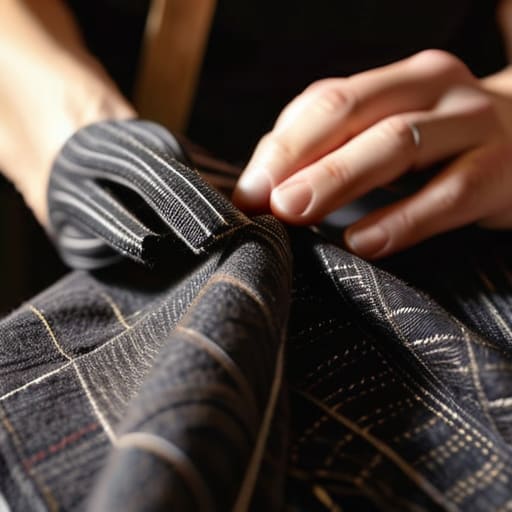
Here is the math. If you buy a high-quality wool blazer for £150 and it sits two inches too long in the arms, you haven’t wasted £150; you’ve just bought a project. If you spend £20 on a quick altering sleeve length job, that blazer now looks like it was made for your specific proportions rather than a generic mannequin. The “math” is simple: a £40 pair of trousers with a perfect, crisp break looks more expensive than a £300 designer pair that puddles around your ankles like an accordion.
When we talk about professional garment resizing, you have to look at the cost-per-wear versus the cost-of-correction. A cheap fast-fashion shirt might have zero seam allowance, meaning shortening shirt cuffs becomes a nightmare because there’s no extra fabric to work with. But if you find a vintage piece with deep hems, you’re winning. You’re essentially buying a bespoke garment for the price of a sandwich. Don’t let a bad hem convince you a piece is “trash”—it’s usually just waiting for a needle and thread.
Decoding Professional Garment Resizing Without Breaking the Bank
When you walk into a shop, the price tag tells you the cost of the fabric, but it doesn’t tell you the cost of the utility. A pair of trousers that pools around your ankles looks like you’re wearing your older brother’s clothes, regardless of whether they cost £20 or £200. Professional garment resizing isn’t just about making things smaller; it’s about reclaiming the silhouette the designer intended. If you’re looking at a pair of heavy denim or wool trousers, a simple trousers hem repair is usually the most cost-effective way to make a “maybe” item a “definitely” item.
The real trick is knowing when a job is a quick fix versus a structural nightmare. For instance, shortening shirt cuffs is often a straightforward task, but if the shirt has intricate French cuffs or specific button placement, the math changes. You have to weigh the tailoring alteration techniques required against the actual value of the shirt. I always tell my clients: if the alteration costs more than half the original price of the garment, you’re probably better off finding something that already fits your proportions.
Mastering Tailoring Alteration Techniques for Your Daily Uniform
When you’re building a daily uniform—the stuff you actually wear on a Tuesday morning when you’re running late—you have to stop looking at the garment as a finished, unchangeable object. Most off-the-rack trousers are cut for someone six inches taller than you, which is why they bunch up at your shoes like an accordion. Instead of ignoring it, look into trousers hem repair or a simple tapered hem. It’s the difference between looking like you’re wearing your dad’s hand-me-downs and looking like you actually own your clothes.
The same goes for your shirts and blazers. I see so many people walking around with sleeves that swallow their hands, which just makes the whole silhouette look heavy and unpolished. Altering sleeve length isn’t just about cutting fabric; it’s about finding that sweet spot where your wrist bone shows. Whether it’s shortening shirt cuffs to show a bit of skin or adjusting a blazer so it doesn’t overwhelm your frame, these tiny tweaks are what turn a “maybe” item into a wardrobe staple. It’s not magic; it’s just making the clothes respect your proportions.
From Trousers Hem Repair to Shortening Shirt Cuffs
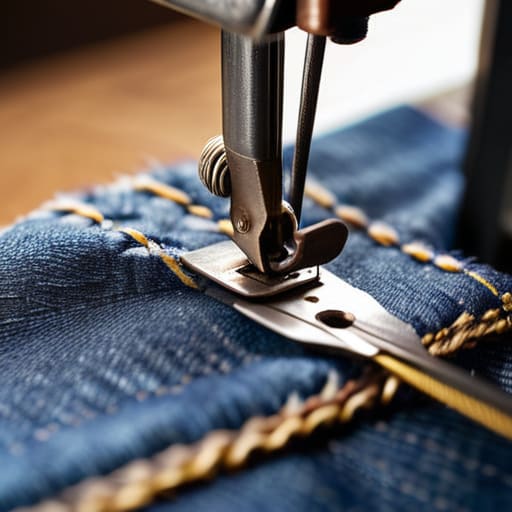
Let’s get into the actual mechanics, because a “quick fix” isn’t always quick if you don’t know what you’re looking at. Take trousers, for example. A standard trousers hem repair isn’t just about cutting fabric; it’s about deciding whether you want a clean blind stitch for a formal look or a visible topstitch for something more casual. If you’re working with heavy denim, you need a machine that can actually bite through that weight without skipping stitches, or you’ll end up with a wavy, amateur mess that looks like it was done with safety pins.
Then there’s the precision work, like shortening shirt cuffs. This is where people usually panic because they think they can’t change the length without losing the cuff detail. You can, but it requires a steady hand and an understanding of how much seam allowance you actually have to play with. Whether you are altering sleeve length on a blazer or adjusting a linen shirt, the goal is the same: the garment should hit your anatomy exactly where it’s supposed to, not where the factory decided it should.
Sewing Hem Adjustment Methods That Actually Survive the Wash
If you’re doing this at home, please stop using those iron-on adhesive strips for anything other than a temporary fix. They look fine for an hour, but once they hit the washing machine, they turn into a gummy, structural nightmare that ruins the fabric. For a real trousers hem repair that actually lasts, you need to understand the difference between a blind stitch and a machine hem. A blind stitch—where you only catch a single thread of the garment fabric—is the gold standard for dress pants because it keeps the finish looking invisible and expensive. If you’re working with heavier denim or casual chinos, a traditional topstitched machine hem is fine, but you have to account for the fabric’s tendency to twist after three washes.
When it comes to more delicate sewing hem adjustment methods, like those required for silk skirts or lightweight linen, I always recommend a narrow rolled hem. It’s tedious work, but it prevents the edge from fraying or looking “wavy” after a drying cycle. If you’re altering sleeve length on a structured blazer, don’t just hack the bottom off; you have to respect the original construction to ensure the weight of the sleeve doesn’t pull the whole garment out of shape.
Five Rules for Not Getting Scammed by Your Own Wardrobe
- Check the seam allowance before you buy. If you find a pair of trousers at a charity shop with a tiny, narrow hem, you’ve hit a dead end; there’s no extra fabric to let them down, and you’ll be stuck with that awkward length forever.
- Always bring the shoes you actually wear on a Wednesday. A hem that looks perfect with your trainers will look like a tragic mistake with your loafers, and a tailor can’t fix a “vibe” mismatch once the thread is cut.
- Watch the taper, not just the length. When you shorten a sleeve, you’re changing the proportions of the whole arm; if the sleeve is too wide, shortening it might make it look like a bell, so ask your tailor if they can slim the cuff at the same time.
- Don’t trust a “quick fix” on heavy wool. If you’re shortening a winter coat, make sure they aren’t just doing a blind stitch that will pop the moment you sit down; you need a proper machine finish or that heavy fabric will eventually drag the hem out of shape.
- The “Goldilocks” rule for sleeves: aim for where your thumb meets your wrist. If the sleeve is too long, you look like you’re playing dress-up in your dad’s closet; if it’s too short, it looks like you’ve outgrown your clothes. A £15 adjustment to hit that sweet spot is the best money you’ll spend all year.
The Truth About the "Perfect" Length
Stop looking at the price tag to tell you if a garment is high-quality; look at the seam allowance. A brand can charge you three hundred pounds for a jacket, but if the sleeves are too long and there’s no extra fabric inside to let them out, you’ve just bought an expensive mistake. Real style isn’t about finding the thing that fits perfectly on the rack—it’s about finding the thing that has enough soul and extra fabric to be made to fit you for the price of a decent lunch.
Neve Okonkwo-Barr
The Bottom Line on Fit
At the end of the day, mastering your wardrobe isn’t about chasing the next drop or spending a month’s rent on a “designer” piece that hits you in all the wrong places. It’s about understanding that a $20 thrifted blazer with the sleeves taken up two inches looks infinitely more expensive than a $400 jacket that swallows your hands. We’ve looked at the math of why a quick hem is the best ROI you’ll ever get, the different ways to stitch a hem so it actually survives a heavy wash cycle, and why you should never, ever settle for trousers that bunch at your ankles. Real style is found in the seam allowance and the structural integrity of the fabric, not the logo on the tag.
Stop treating your clothes like they are permanent, unchangeable objects that you have to shrink yourself to fit into. Your clothes are meant to be manipulated; they are tools for your life, and a little bit of thread and a steady machine can make them work for you instead of against you. If you find something you love but the length is off, don’t walk away—just find a tailor. Building a wardrobe that actually works on a random, stressful Wednesday is a marathon of small, smart adjustments, not a sprint of expensive purchases.
Frequently Asked Questions
If I shorten a pair of vintage trousers, am I going to lose the original hem detail or end up with a weirdly thick seam at the bottom?
If they have a specific detail—like a heavy topstitch or a unique finished edge—you can lose it if you just chop and sew. But you won’t end up with a “brick” at the bottom if you do it right. I usually suggest a “re-hem,” where we use the original fabric to recreate the finish. It costs maybe an extra £10–£15 more than a basic stitch, but it keeps the trousers looking vintage rather than DIY.
How much of a difference does it actually make to pay for a blind stitch versus a standard machine hem on a dress?
It makes a massive difference. A standard machine hem leaves a visible line of stitching across the fabric—it’s functional, but it screams “I was altered in a rush.” If you’re doing a heavy denim jean, go machine. But for a dress? Use a blind stitch. It hides the thread so the hem looks like it was always meant to be there. It’ll cost you an extra tenner, but it’s the difference between looking polished and looking like you’re wearing a costume.
Can a tailor actually fix sleeves that are too wide in the armscye, or am I stuck with that extra fabric no matter what?
Look, I’ll be straight with you: it’s a massive job. Taking in an armscye isn’t just a quick hem; it involves deconstructing the sleeve, potentially moving the shoulder seam, and re-setting the whole thing. It’s the difference between a £15 fix and a £60 surgery. If the fabric is cheap polyester, don’t bother—it’ll puck and look terrible. But if it’s a solid wool blazer? Do it. It changes everything.
