Stop letting high-end boutiques convince you that “designer” frames are the only way to fix your blurry vision. I spent two years pinning hems in a basement studio, and if there is one thing I learned, it’s that a luxury logo won’t stop a frame from pinching the bridge of your nose or sliding down your face every time you lean over a sewing machine. Most people think they have a vision problem when they actually have a structural problem, and learning how to choose reading glasses shouldn’t require a mortgage payment or a degree in optics. You don’t need a brand name; you need a frame that respects your anatomy and stays put while you’re actually trying to live your life.
I’m not here to sell you on “luxury” or “lifestyle” aesthetics that fall apart after three wears. Instead, I’m going to show you the actual math of a good pair: how to check the hinge tension, why the weight of the acetate matters more than the color, and how to spot a cheap mold that will give you a headache by lunchtime. We are going to look at fit over fashion and find you a pair that works on a Wednesday, not just one that looks good in a mirror.
Stop Buying Style and Start Solving Your Presbyopia Symptoms

Stop buying “style” and start solving your presbyopia symptoms
Most people approach reading glasses like they approach a new wardrobe: they look at the frames first and the function second. They see a pair of tortoiseshell acetate frames that look “classic” and assume they’ve solved the problem. But if you’re squinting at a menu because the lens power is slightly off, that beautiful frame is just a very expensive way to give yourself a headache. You need to stop treating this like a fashion choice and start treating it like a technical requirement. If you are struggling with blurry near-vision, you aren’t looking for an aesthetic; you are looking for a specific diopter measurement that matches your eye’s current needs.
The real math happens when you weigh over the counter vs prescription readers. Grab a pair of cheap pharmacy readers to test different strengths, but don’t commit to a high-end frame until you know exactly how to find correct reading strength for your specific distance. I’ve seen people spend eighty pounds on “designer” readers only to realize the magnification is useless for their actual reading distance. It’s not about the brand on the temple; it’s about whether the lens actually does the job without making you feel like you’re looking through a fishbowl.
The Math of Vision a Diopter Measurement Guide

Look, I deal with seam allowances and pattern grading all day, so I understand that numbers aren’t always “fun.” But when it comes to your eyes, guessing is a recipe for a headache that no amount of caffeine can fix. If you’re looking for a diopter measurement guide that doesn’t feel like a physics lecture, think of diopters as the “fabric weight” of your vision. Just like a heavy wool won’t drape the same way as a silk crepe, a +1.50 strength is going to behave entirely differently than a +2.50. If the number is too low, you’re straining; if it’s too high, you’re basically looking through a magnifying glass at a dollhouse.
Before you go grabbing a random pair of over the counter vs prescription readers from a supermarket aisle, you need to do a quick test. Hold a book at your natural reading distance—the distance where your eyes feel most relaxed—and see where the blur starts. If you find yourself constantly moving the page back and forth, you’re fighting your own biology. Stop treating your vision like a guessing game and start treating it like a technical specification. Knowing your number is the only way to ensure you aren’t just buying expensive plastic that makes your eyes work harder than they have to.
How to Choose Reading Glasses That Actually Fit Your Life

Forget the idea that a pair of glasses is just a medical tool; they are an extension of your face, and if they feel heavy or slide down your nose every five minutes, you won’t wear them. When I’m looking at frames, I’m looking at the bridge and the temple width. If you have a narrow bridge, those heavy acetate frames are going to end up around your chin by noon. You need to consider the best frame styles for face shapes not just for the aesthetic, but for the physics of how they sit. A lightweight metal frame might be easier on your nose, but it won’t hold a lens as securely as a well-built plastic one.
Also, let’s talk about your environment. If you are staring at a laptop for eight hours, you should be looking into blue light blocking reading glasses rather than just standard lenses. It’s not a marketing gimmick; it’s about reducing the strain that makes you want to throw your glasses across the room. Don’t just grab the first thing you see in a drugstore aisle; think about whether you need something that stays put while you’re typing or something light for reading a book in bed.
Over the Counter vs Prescription Readers Doing the Math
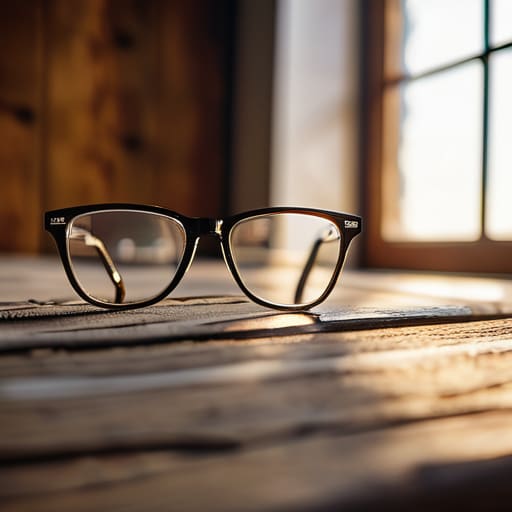
Here is the reality: the drugstore aisle is basically the “fast fashion” of vision. Those plastic, pre-made readers are fine if you’re just squinting at a menu for five minutes, but they are a blunt instrument. They assume everyone’s eyes are identical, which is a lie. When you’re looking at over the counter vs prescription readers, you have to realize that drugstore pairs offer zero customization for your pupillary distance. If the lenses aren’t centered exactly where your eyes actually focus, you’re going to end up with a tension headache that no amount of caffeine can fix.
If you’re serious about how to find correct reading strength, you need to stop guessing based on what’s on the shelf. A prescription isn’t just about the power; it’s about the geometry of your face. I see people buy these flimsy, generic frames that pinch the bridge of their nose or slide down because the weight distribution is garbage. If you have a specific prescription, you aren’t just paying for the lens—you are paying for a technical alignment that keeps your posture upright instead of hunched over a book like a question mark.
Finding Correct Reading Strength and the Blue Light Myth
Let’s talk about the “blue light” trap. You’ll walk into a shop and see a display of neon-colored frames screaming about how they protect your eyes from digital strain. Most of the time, these are just standard plastic lenses with a cheap tint slapped on. If you are already struggling with presbyopia symptoms and solutions, adding a blue light filter won’t magically fix the fact that your eyes can’t focus on a page six inches from your face. It’s marketing fluff designed to make you feel like you’re buying “tech” instead of just buying a tool.
If you want to know how to find correct reading strength, stop looking at the color of the lens and start looking at the number. You need to find your specific diopter. If you buy a pair of +2.50s because they look trendy but your actual need is a +1.50, you aren’t “protecting your eyes”—you’re giving yourself a tension headache that will last until Tuesday. Don’t let a salesperson sell you a “digital wellness” lifestyle when what you actually need is a precise measurement and a lens that matches your focal distance.
The non-negotiables: 5 things to check before you tap 'buy'
- Check the bridge width, not just the temples. If the nose pads are cheap plastic and the bridge is too narrow, they’ll sit too high on your face, making you look like you’re peering over a fence and causing a headache by noon.
- Prioritize acetate over thin metal if you have a busy life. A flimsy wire frame might look “minimalist,” but it lacks the structural integrity to stay put when you’re leaning over a laptop or a book, and you’ll spend more on repairs than you saved on the price tag.
- Do the “weight test” for your nose. If a pair of glasses feels “light as air,” they might actually be too light to stay seated properly, meaning they’ll slide down every time you blink. You want a balanced weight that distributes across the bridge, not just pressure on the ears.
- Look at the hinge construction. Avoid anything that feels “clicky” or loose right out of the box; a solid spring hinge is worth the extra five pounds because it prevents the frames from bowing out and losing their alignment over a month of use.
- Test the lens clarity against glare, not just “blue light.” Marketing will try to sell you a blue light filter as a premium feature, but I’d rather you spend that money on an anti-reflective coating that actually stops your reading lamp from turning your vision into a smear of light.
The price of a bad fit
Stop treating reading glasses like a fashion accessory you can just ‘vibe’ with; if the bridge pinches your nose or the weight of the frames makes them slide down your face every five minutes, you haven’t bought a style choice, you’ve just bought a headache that costs more than a proper prescription.
Neve Okonkwo-Barr
The Bottom Line on Seeing Clearly
At the end of the day, choosing reading glasses isn’t about picking the most expensive acetate frame or falling for a “luxury” label that promises better vision. It’s about the math. You need to understand your diopter requirements, recognize that blue light coatings are often a marketing tax rather than a necessity, and know when a cheap pair of pharmacy readers is a functional tool versus when you actually need a professional prescription to stop the headaches. Stop treating your vision like a fashion accessory you can just “style” your way out of; treat it like a technical requirement for your daily life. If the bridge pinches or the focal length is off, it doesn’t matter how much you paid—it’s a bad purchase.
I want you to walk away from this feeling empowered to look past the glossy storefronts and focus on the utility. Your eyes are doing a lot of heavy lifting, and they deserve tools that actually work, not just things that look good on a coffee table. Don’t be afraid to ask for the specs, demand to know the measurements, and prioritize the physical comfort of the fit over the brand name on the temple. You don’t need a massive budget to see clearly; you just need to stop overpaying for the hype and start paying for the precision. Build a toolkit for your eyes that works just as hard as you do.
Frequently Asked Questions
If I find a pair of vintage frames I love, is it worth the cost to have a technician swap the lenses for my specific prescription?
If the frames are high-quality acetate or solid metal, absolutely. Don’t let a “vintage” label fool you into thinking they’re fragile; if the hinges are smooth and the bridge fits your nose, they’re worth the math. A lens swap usually runs you between £40 and £80 depending on the coating. That’s a small price to pay to avoid the “cheap plastic” headache and actually own a piece that fits your face and your prescription.
How do I know if the weight of the frames is going to cause a headache after an hour of reading?
Check the bridge and the temples. If the frames are heavy acetate, they’ll pinch the bridge of your nose or dig into your skull by page twenty. Look for lightweight titanium or even high-quality TR90—it’s basically a fancy, durable plastic that weighs nothing. Also, check the weight distribution; if all the heft is in the lenses, they’ll constantly slide down, and that constant readjusting is what actually triggers the tension headache.
Can I actually get a pair of drugstore readers adjusted to fit my face, or am I stuck with the "one size fits all" nose pads?
Short answer: No. If they’re those cheap, molded plastic drugstore pairs, you’re stuck. You can’t “alter” a seamless injection-molded frame without snapping it, and trying to bend them is a recipe for a headache. If the bridge pinches or they slide down your nose, stop trying to fix them. Save that five bucks and put it toward a pair with adjustable metal nose pads—it’s the difference between a tool that works and a plastic nuisance.
