Stop letting luxury brands convince you that a designer logo on a tiny leather pouch makes it an “essential accessory.” Most of those high-end keyrings are just overpriced scraps of calfskin held together by a gold-plated ring that’ll snap the moment you actually use it. I spent two years in a basement studio watching people pour money into “status” items that literally fell apart by the second month of heavy use. If you’re trying to figure out how to choose a keyring or organiser that won’t end up in a landfill by next season, you need to stop looking at the brand name and start looking at the hardware and the stitch density.
I’m not here to sell you on a lifestyle; I’m here to show you the math of durability. In this guide, I’m going to strip away the marketing fluff and tell you exactly what to look for in terms of leather weight, metal alloys, and seam reinforcement. I’ll show you why a £15 heavy-duty brass clip is often a better long-term play than a £200 “designer” trinket, and I’ll give you the real criteria for deciding which organiser actually fits your daily life without becoming a bulky nuisance in your pocket.
Understanding How to Choose a Keyring or Organiser
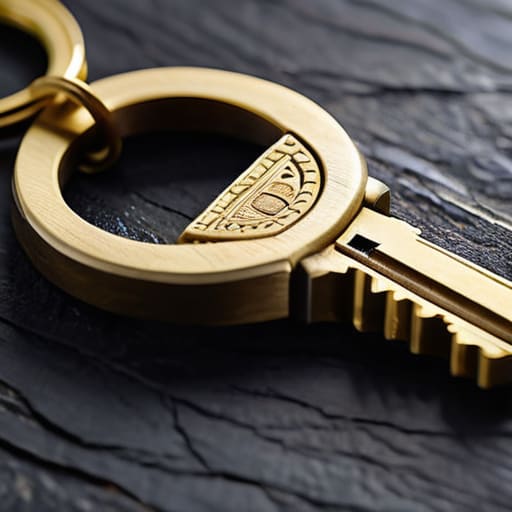
First, stop looking at the aesthetic and start looking at the friction. Most people treat a keyring like a piece of jewelry, but it’s actually a tool that lives in a high-impact environment—your pockets, your bag, or your palm. If you’re picking something based on a trendy color but the metal is thin enough to bend under the weight of a standard house key, you’re just buying future clutter. You need to prioritize keyring material durability above everything else. I’m talking about solid brass, stainless steel, or heavy-duty leather. If it feels like lightweight plastic, it’s going to snap or warp within six months, and then you’re back to searching for lost keys in the sofa cushions.
Then, you have to decide how much noise you’re willing to tolerate. If you’re the type who hates that constant, distracting clatter every time you walk, look into EDC key organizers. These are designed to stack your keys like a Swiss Army knife, which is the most effective way of preventing key jingle entirely. It keeps the profile slim and stops that awkward, heavy bulge in your trousers that ruins the line of your clothes. Whether you want a tiny loop or a full-blown management system, pick the one that fits your actual daily movement, not the one that looks best in a staged Instagram photo.
Key Things to Know
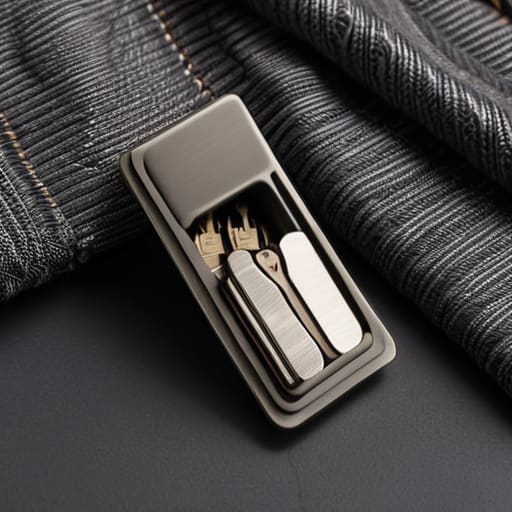
First, let’s talk about the physics of your pocket. I’ve spent enough time pinning hems to know that even a small, heavy object can ruin the silhouette of a well-tailored trouser or a delicate silk skirt. If you’re carrying a massive, loose ring of metal, you aren’t just dealing with a mess; you’re dealing with preventing key jingle and avoiding that annoying, heavy bulge that makes your clothes hang wrong. If you want your outfit to look intentional rather than accidental, look into EDC key organizers. They stack your keys flat, which keeps the weight distributed and stops them from turning into a chaotic metal wreck in your bag.
Then there is the question of survival. Most people buy a cheap, shiny alloy ring because it’s five pounds, but they don’t realize that the metal is often brittle or plated so thin it will flake off within a month. I always look at keyring material durability before I commit. If you’re going for something long-term, you want solid brass, stainless steel, or a high-quality leather wrap. You aren’t just buying a way to hold keys; you’re buying something that won’t snap and leave you hunting through the pavement for your front door.
Practical Tips and Steps
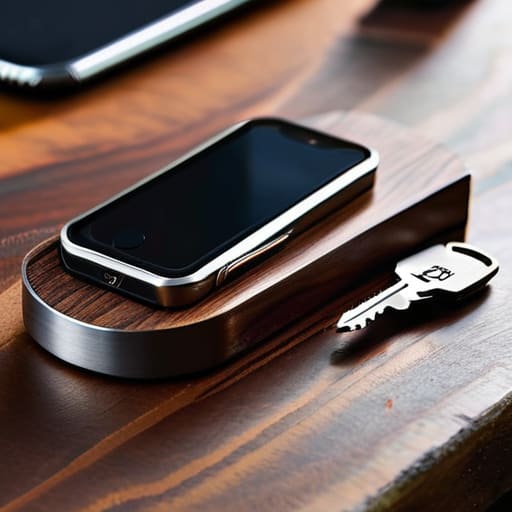
First, stop looking at the aesthetic and start looking at your actual daily movement. If you’re someone who carries a heavy bag, a bulky, dangling mass of metal is just going to snag your lining and scratch your phone. I always suggest looking into EDC key organizers if you want to stop that annoying, chaotic jingle every time you walk into a quiet room. A solid, compact device keeps everything stacked and silent, which is a massive upgrade for your sanity.
Next, let’s talk about the math of keyring material durability. If you buy a cheap, thin alloy ring from a supermarket, it’s going to stretch or snap within six months, and then you’re hunting for your keys in the dark. Look for solid brass, stainless steel, or heavy-duty leather. If you’re opting for a leather loop, check the edges; if they aren’t burnished or properly sealed, they’ll fray before the season is out. It’s not about finding the “prettiest” thing; it’s about finding the one that doesn’t require a replacement by next Christmas.
Common Mistakes to Avoid
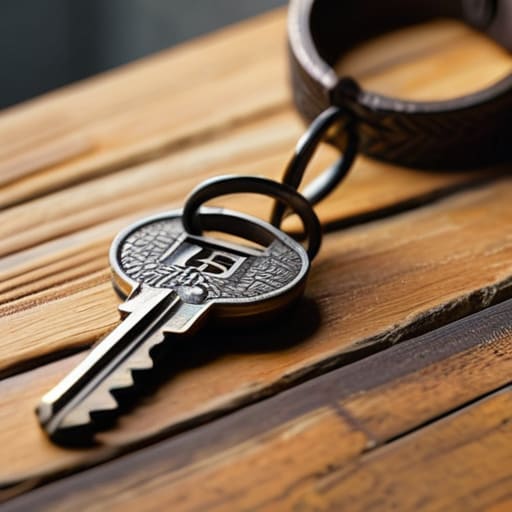
The biggest mistake I see? People buying for the “aesthetic” of a lifestyle they don’t actually live. You’ll see these sleek, ultra-thin minimalist keychain styles all over social media, and they look great in a staged photo. But if you’re the person who carries a heavy house key, a car fob, and a gym locker key, that tiny piece of brushed aluminum is going to bend or snap within a month. Don’t mistake “thin” for “durable.” If the metal is too flimsy to handle your actual daily load, it isn’t a design choice; it’s a waste of twenty quid.
Another trap is ignoring the sheer physics of your pockets. I’ve seen people invest in heavy, multi-tool EDC key organizers only to realize they’ve essentially turned their trousers into a weighted punching bag. If you’re wearing denim or lightweight chinos, a massive, clanking metal block is going to ruin the drape of your clothes and probably tear a seam if you sit down too fast. Also, stop ignoring the noise. If you’re trying to be low-key, avoid anything that lacks a way of preventing key jingle; there is nothing more distracting than sounding like a frantic janitor every time you reach for your phone.
Final Thoughts
Look, at the end of the day, your keys are going to be shoved into your pockets, tossed onto café tables, and dragged across your floor. You aren’t looking for a piece of jewelry; you’re looking for a tool that doesn’t fail you by next month. If you’ve spent any time looking at the options, you know that the gap between a “cute” accessory and a functional one is huge. Don’t get distracted by the aesthetic of minimalist keychain styles if the actual construction is flimsy. If it’s made of thin, stamped metal that’s going to bend the first time you sit down, it isn’t a solution—it’s just more clutter.
Stop treating this like a fashion impulse buy and start looking at it through the lens of long-term utility. Whether you’re investing in high-end EDC key organizers to stop that annoying metal-on-metal clatter or just a solid leather loop, make sure the math adds up. If the cost of replacing a cheap, peeling organizer every six months is higher than just buying the one that actually lasts, you’ve wasted your money. Buy for the way you actually live, not the way you want your desk to look on Instagram.
The stuff that actually matters when you're digging in your bag
- Check the hardware weight. If it’s a tiny, flimsy little ring that feels like it’s made of recycled soda cans, it’s going to snap or bend the second you try to force a heavy set of house keys onto it. You want something with a bit of heft—solid brass or stainless steel—that feels like it can actually hold its own.
- Look at the edges. I’ve spent way too many hours untangling cheap leather organisers that have raw, unfinished edges; they’ll fray and peel within a month of being shoved in a pocket. Look for burnished edges or a clean stitch that isn’t fighting for its life against the material.
- Test the “pocket bulk” factor. A beautiful, chunky leather organiser looks great on a shelf, but if it turns your trouser pocket into a lumpy, uncomfortable mess, you’re never going to use it. If you’re a minimalist, go for something slim-profile; don’t buy a heavy piece of kit just because the marketing says it’s “premium.”
- Avoid the “faux” trap. If a label says “vegan leather” but it feels like plastic, run. That’s just polyurethane, and it’s going to crack and flake off in your bag by next season. If you want something that lasts, you either go for real, full-grain leather that ages with you, or a high-density nylon that can actually take a beating.
- Mind the attachment point. If you’re choosing an organiser that clips into a bag, check the strength of the carabiner or the loop. If the stitching where the clip meets the organiser looks thin or decorative rather than structural, it’s a disaster waiting to happen—and losing your keys because of a cheap seam is a headache no one needs.
The real cost of a keychain
Stop looking at the brand name and start looking at the hardware; if that keyring is made of cheap, plated zinc that’s going to flake and pit after three months in your pocket, it’s not an ‘accessory,’ it’s just future landfill.
Neve Okonkwo-Barr
The Bottom Line
At the end of the day, choosing a keyring or an organiser isn’t about finding the most “aesthetic” piece on a curated Instagram feed; it’s about knowing whether that material is going to survive being shoved into a denim pocket or tossed onto a wooden hallway table every single morning. Stop chasing the trend and start looking at the construction details. If the stitching looks thin or the leather feels like plastic, it’s going to fail you by next season, and you’ll be right back here looking for a replacement. Remember: a cheap organiser that falls apart in three months is significantly more expensive than a sturdy one that lasts three years. Do the maths on the replacement cost before you tap your card.
My advice? Buy for your actual life, not the life you think you should be living. If you’re someone who constantly loses things, you don’t need a tiny, delicate leather pouch; you need something with a bit of structural integrity and a clip that actually stays attached to your bag. Style isn’t about having the most expensive accessories; it’s about having the right tools that make your daily chaos feel a little more contained. Build a kit that works for your Wednesday morning rush, and you’ll realize that true style is actually just being prepared.
Frequently Asked Questions
If I find a high-end leather organiser at a charity shop, how do I tell if the lining is going to disintegrate in six months?
Don’t let the buttery leather distract you; the lining is usually where the cheapness hides. Reach inside and give the fabric a firm tug. If it feels paper-thin or makes a crunchy, plastic-y sound, it’s likely a synthetic blend that’s already losing its structural integrity. Also, check the edges where the lining meets the leather—if you see fraying or “dusting” (tiny flakes of material), walk away. That’s the disintegration starting.
Is it actually worth paying a tailor or a cobbler to fix a broken zip on a leather key pouch, or should I just bin it?
Don’t bin it yet. If the leather is decent, a specialist can swap that zip for the cost of a decent lunch. It’s a twenty-minute job for someone with a heavy-duty machine. If it’s cheap, “genuine” leather (which is just painted scraps), skip it—the repair will cost more than the pouch. But if it’s real, full-grain stuff? Fix it. A broken zip is a mechanical failure, not a death sentence for a good piece of kit.
How much should I realistically expect to spend on a decent, heavy-duty keyring that won't bend or snap after a month of being tossed in a bag?
If you’re looking for something that won’t snap the first time it hits the bottom of a tote, stop looking at the £5 plastic or “fashion” branded junk. You’re looking for solid brass or stainless steel. Realistically? Budget £15 to £30. Anything less is usually a cheap alloy that’ll pit or bend by next month. It’s not an “investment”—it’s just basic maths. Pay the extra ten quid now, or pay for a replacement in six weeks.
