I spent my first two years in a cramped basement studio pinning hems for a bridal shop, and if there’s one thing I learned, it’s that a “vintage” label is often just a marketing lie. People walk into charity shops expecting to find hidden treasures, but they usually just find polyester blends that have been aged by bad storage rather than actual history. Most people think you need a magnifying glass and a degree to figure out how to date a garment by its details, but you actually just need to know where to look. You don’t need a historian; you need to know the difference between a hand-rolled hem and a machine-stitched disaster.
I’m not here to give you a lecture on fashion history or tell you which eras are “in” right now. Instead, I’m going to show you the real markers—the stuff that actually tells the truth—like the specific curve of a shoulder seam, the weight of a zipper, or the way a label is stitched into the neck. I’ll teach you how to spot the construction tells that separate a genuine piece of history from a fast-fashion knockoff. By the end of this, you’ll be able to walk into any shop and know exactly what you’re holding before you even check the price tag.
Stop Guessing How to Date a Garment by Its Details
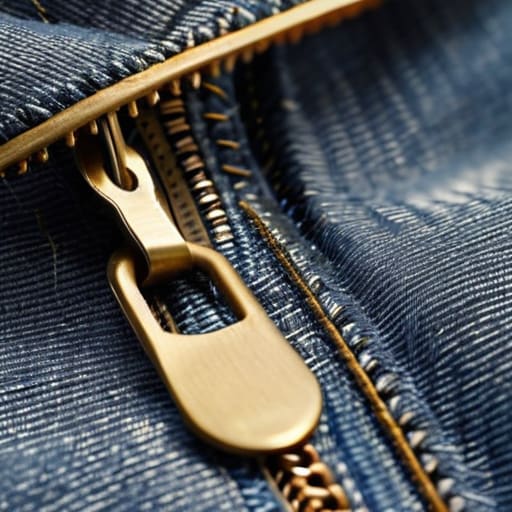
If you’re digging through a charity shop rack, stop looking at the brand name and start looking at the guts of the piece. One of my favorite ways to tell if you’ve found a genuine gem or just a modern reproduction is by identifying era by zipper types. If you pull a heavy, chunky metal zipper that feels like it could survive a war, you’re likely looking at something mid-century. Modern zippers are often flimsy, lightweight plastic disguised as metal, and they’ll jam the second you actually try to wear the garment.
You also need to look at the seams. I spend half my life at a sewing machine, so I can spot vintage clothing construction techniques from across the room. Older pieces often feature much wider seam allowances—that extra bit of fabric inside the garment that allows a tailor to let it out if you’ve grown or changed. Modern fast fashion is built to be “just enough,” meaning there is zero room for error or adjustment. If the stitching is tight, even, and sits on a substantial fabric weight, you aren’t just looking at a shirt; you’re looking at something built to actually last.
The Metal Tells the Tale Identifying Era by Zipper Types
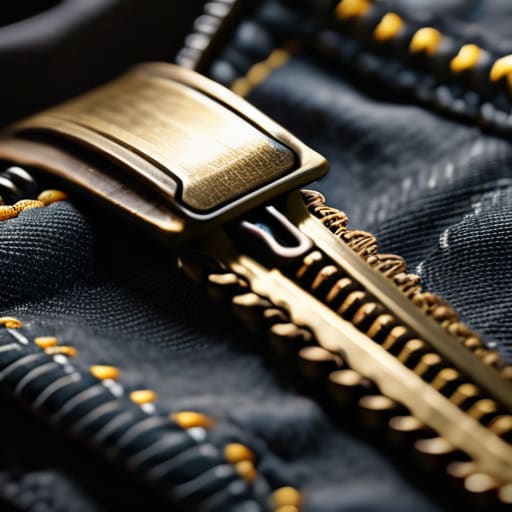
If you want to stop guessing and start actually knowing, look at the hardware. I’ve spent way too many hours in basement studios staring at metal teeth, and let me tell you, a zipper is a tiny, shiny time machine. Before the late 1960s, you’re rarely going to find those flimsy, lightweight plastic coils that make modern fast fashion feel like it’s made of recycled milk cartons. If you’re identifying era by zipper types, look for heavy, chunky metal teeth. A heavy brass zipper on a jacket isn’t just “sturdy”—it’s a signal that the garment was built to actually exist in the physical world, not just a seasonal trend cycle.
In the mid-century, you’ll often see zippers tucked behind a fly or a placket, because designers were obsessed with a clean, seamless silhouette. If you find a garment with a visible, heavy-duty metal slider that feels substantial in your hand, you’re likely looking at something pre-1970s. Modern zippers are designed to be cheap to manufacture and easy to replace, which is why they fail so spectacularly. A vintage metal zipper, however, was an intentional part of the vintage clothing construction techniques of its time—built to last as long as the fabric itself.
Stitch Patterns and Textile Composition Decoding the Fabrics Age
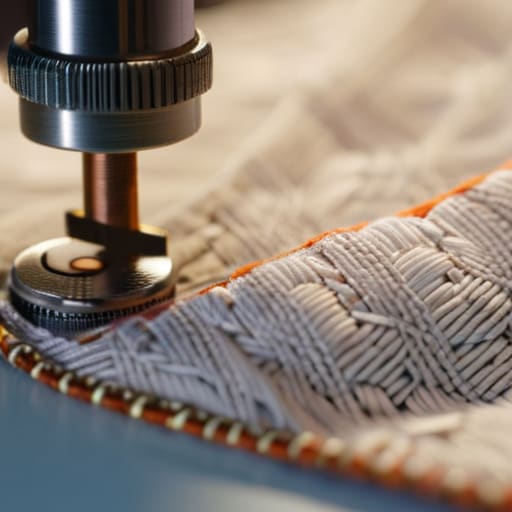
If you want to know if you’re holding a piece of history or just fast fashion with a good PR team, stop looking at the silhouette and start looking at the tension. I spend half my life staring at sewing machine stitch patterns through a magnifying lamp, and they don’t lie. Older pieces—I’m talking pre-1960s—often have slightly irregular, heavier stitching because the machines weren’t the precision instruments we have now. If the stitches are incredibly tight, uniform, and look almost “perfectly” robotic, you’re likely looking at something mass-produced in the last twenty years.
Then there is the ultimate giveaway: the care label. Checking the clothing care label history is my favorite bit of charity shop archaeology. If a garment has no care instructions at all, or if the label is a single, stiffly woven strip of cotton rather than a soft, printed polyester, you’ve likely found something with real age. Modern synthetic blends feel “slick” in a way that older natural fibers just don’t. You aren’t just looking for a brand name; you are looking for how the fiber was spun and how the thread was laid.
Buttons Fasteners and the Truth of Vintage Clothing Construction Techniques
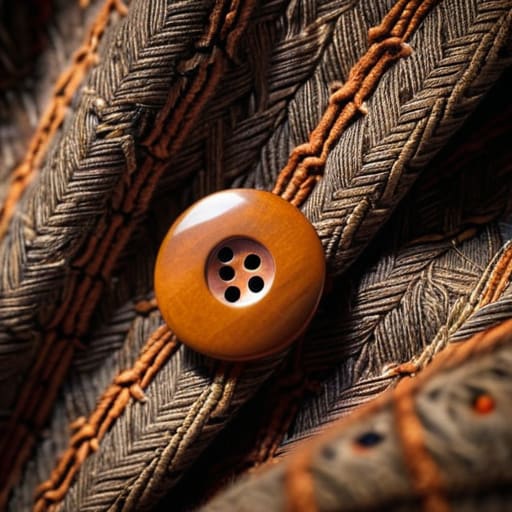
If you want to know if a piece is actually old or just “vintage-inspired” from a fast-fashion giant, stop looking at the print and start looking at the buttons. In the mid-century, you’d see heavy, substantial materials like bakelite, bone, or even real wood. These weren’t just decorative; they were built to last. If you pick up a jacket and the buttons feel like hollow, lightweight plastic that might snap if you sneeze too hard, you aren’t looking at a piece of history—you’re looking at something designed to end up in a landfill by next Tuesday.
The way those fasteners are attached tells you everything about the vintage clothing construction techniques used at the time. Older garments often feature “shank” buttons, where the button is lifted slightly off the fabric by a small stem of thread, allowing room for the thick fabric to sit underneath without pulling. Modern mass production usually just slaps a button on with a single, tight cross-stitch that makes the fabric pucker. When you see a heavy metal snap or a hand-worked buttonhole, you’re seeing the difference between a garment made to be worn and one made to be replaced.
Reading the Label Clothing Care Label History and Real Longevity
If you think the care label is just a list of chores, you’re missing the most obvious forensic evidence in the room. I always check the label first, not to see if I can tumble dry it, but to trace the clothing care label history. Before the 1970s, labels were often just a single, cryptic fiber name—usually printed on a stiff, woven damask that felt more like a bookmark than a tag. If you see those modern, silky, printed-on instructions with a dozen confusing symbols, you’re looking at something relatively recent.
But it’s not just about the era; it’s about how the label talks to you about the fabric’s survival. A label that screams “Dry Clean Only” on a piece of heavy-duty cotton is a red flag for poor dye stability or cheap finishing. I look for labels that actually respect the textile composition and era of the piece. A vintage wool label from the 50s will tell you exactly what you need to know about its structural integrity, whereas a modern “poly-blend” tag is often just a way to mask a lack of quality. If the label feels like it’s part of the garment’s soul, it’s usually a sign of real longevity.
The Quick-and-Dirty Checklist for Your Next Charity Shop Raid
- Check the seam allowance before you even look at the brand; if the fabric is cut so close to the edge that there’s no room for a tailor to let it out, it’s modern fast fashion masquerading as quality.
- Feel the weight of the hem—true vintage often has a heavy, substantial hem to help the garment hang, whereas modern mass-produced pieces use a tiny, skimpy hem to save a few cents on fabric.
- Look at the shoulder construction; if the seam is sitting exactly on the bone with a crisp, structured finish, you’re likely looking at something pre-mass-production or high-end vintage, not a flimsy modern jersey.
- Turn the garment inside out to inspect the “guts”—if the seams are raw or overlocked with thin, shiny thread, it’s new; if they are bound in silk or finished with sturdy, tight stitching, you’ve found something that was built to last.
- Test the drape by holding the fabric up to the light; if it’s a blend that feels suspiciously “stretchy” but has no actual elastane in the composition, it’s likely a cheap modern imitation of a classic silhouette.
The Math of the Seam
Stop listening to the marketing team when they call a polyester blend an ‘investment’; if you want to know if a piece is actually built to last, stop looking at the brand name and start looking at the seam allowance and the weight of the weave. A garment’s history isn’t written in its price tag, it’s written in the way the stitching holds up under a bit of real-world tension.
Neve Okonkwo-Barr
The Final Stitch
At the end of the day, dating a garment isn’t about being a walking encyclopedia of textile history; it’s about developing an eye for how things are actually put together. Whether you’re checking if a metal zipper means you’ve found a 90s gem, inspecting a seam allowance to see if the fabric is built to last, or reading a care label to spot a manufacturing era, you are looking for the truth behind the marketing. When you stop looking at the brand name and start looking at the weight of the wool or the way a button is shanked, you stop being a consumer and start being a curator. You’ll quickly realize that most “modern” clothes are built to be disposable, while the pieces that actually deserve a spot in your wardrobe are the ones that show their age through craftsmanship, not through falling apart.
My advice? Stop trying to buy a new identity every season and start looking for the pieces that have already proven they can survive the test of time. A vintage blazer with a sturdy shoulder construction and a bit of room for a tailor to nip in the waist is worth ten “investment” pieces from a high-street flagship that will pill after three washes. Style isn’t about how much you spend; it’s about knowing what you’re holding in your hands. Go into your next thrift trip or even your own closet with a bit of skepticism and a lot of curiosity. If you can learn to read the stitches, you’ll never be fooled by a trend again.
Frequently Asked Questions
If I find a piece with a really high-quality natural fabric but the zipper is modern plastic, does that mean it's a fake vintage piece or just been repaired?
It’s almost certainly a repair, not a fake. Don’t let a plastic zipper scare you off a great piece. Zippers are high-stress components; they snag, teeth break, and the slider fails. Even on a high-quality vintage wool coat, a tailor will swap a broken metal zipper for a modern nylon one because it’s more reliable and cheaper than hunting down a deadstock vintage part. Check the stitching around the new zipper—if it looks clean, it’s just maintenance.
How much should I actually budget for alterations if I find a perfect vintage blazer that's a bit too big in the shoulders?
Oof, the shoulders. That’s the big one. If the shoulder seam is hanging off your natural bone, you’re looking at a structural rebuild, not a quick tweak. Expect to pay anywhere from £40 to £80 (or $50–$100) depending on the tailor. It’s essentially deconstructing the sleeve to move the seam. If the blazer cost you £10 at a charity shop, it’s still a win, but don’t call it a “steal” until you’ve factored in the labor.
Can you actually tell the difference between a garment that was built to last and one that just looks old because the fabric has worn down?
Yes, and it’s all about the structural integrity versus the surface wear. A garment that’s “worn out” has thinning, pilling, or threadbare patches—that’s just fabric fatigue. But a garment “built to last” will still have its shape. Check the seams: if the fabric is thin but the stitching is tight and the seam allowance is generous, it’s a quality piece that just needs a refresh. If the seams are puckering or the shape is gone, it’s trash.
