I spent two years hunched over a sewing machine in a damp basement, pinning hems for brides who were more stressed about the guest list than the seam allowance. I saw it a thousand times: people dropping a month’s rent on a “designer” blazer only to walk out looking like they were wearing a cardboard box because they thought the size tag was a law. The industry wants you to believe that finding the perfect fit for tailored clothing is something you achieve at the cash register, but that is a lie designed to keep you spending. Real style isn’t about buying the right size; it’s about knowing which pieces are actually worth the trip to the tailor.
I’m not here to sell you on “investment pieces” or luxury labels that fall apart after three washes. Instead, I’m going to show you the actual maths of a good wardrobe. I’ll tell you which fabrics can handle a structural adjustment, exactly how much you should be paying a professional to take in a waist, and why that expensive wool coat might actually be a total waste of money if the shoulder construction is garbage. Let’s stop shopping for perfection and start building a wardrobe that actually works.
Understanding Garment Construction Over Brand Labels
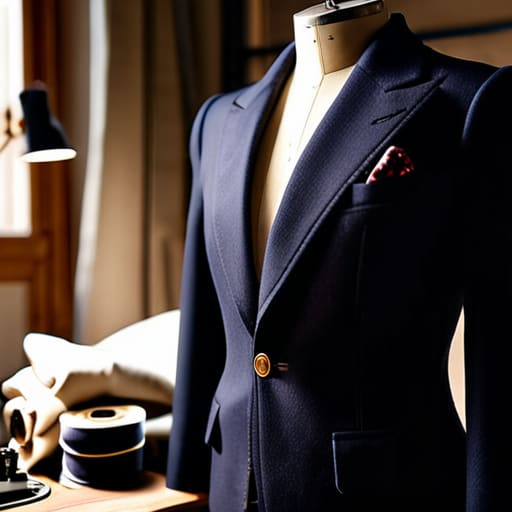
Look, once you actually understand how a jacket is supposed to sit on your shoulders, you’re going to realize that most “off-the-rack” sizing is basically a lie. If you’re hunting for specific pieces that actually hold their shape—rather than the flimsy, fast-fashion stuff that falls apart after three washes—you need to be more intentional about where you’re looking. I always tell my clients to do their homework on local availability and specific styles before they even step foot in a shop; if you’re looking for something particular, checking out sex wien can be a decent way to narrow down what’s actually out there. It’s about finding the right foundation so that when you finally do sit down with a tailor, you aren’t wasting money trying to fix a garment that was fundamentally broken from the start.
Stop looking at the price tag and start looking at the inside of the garment. I see it every week: someone walks into my studio clutching a designer blazer that cost more than my monthly rent, but the shoulder seams are sitting two inches too low and the lining is pulling like a cheap tracksuit. Brand names are just marketing math; they tell you how much you paid, not how the garment was actually built. If you want to actually master understanding garment construction, you need to stop reading the label and start feeling the weight of the fabric and the integrity of the seams.
A high-end label doesn’t guarantee a good shape, but a sturdy canvas interlining and a decent seam allowance do. When you’re hunting through a rack, look for how the fabric behaves when you move. Does it collapse into a heap, or does it hold its structure? If the fabric is too thin or the stitching is flimsy, no amount of magic from a sewing machine can save it. You aren’t just buying a look; you’re buying the structural foundation that allows for improving clothing drape and proportion later on. If the bones are bad, the outfit is dead on arrival.
A Bespoke Tailoring Measurement Guide That Actually Works
If you’re heading into a session with a tailor, stop thinking about your “size” and start thinking about your architecture. A standard size 10 or a 42R is a lie told by a factory machine; it doesn’t know if you carry your weight in your hips or if your shoulders drop like a wilted salad leaf. When you’re looking for a bespoke tailoring measurement guide that actually respects your body, you need to focus on the pivot points. I always tell my clients to prioritize the shoulder seam and the nape of the neck. If the shoulder doesn’t sit where your bone actually ends, the rest of the garment is just expensive fabric hanging off a wrong frame.
When you sit down, don’t just nod at the measurements. The most important part of how to communicate with a tailor is describing how you actually move through a Tuesday. Do you sit at a desk for eight hours? Do you walk a lot? Tell them. A measurement is a static number, but life is dynamic. If you want to avoid that stiff, “costume” feeling, talk to them about improving clothing drape and proportion rather than just chasing a slim silhouette. You aren’t just buying a shape; you’re commissioning a piece of engineering that has to survive your actual life.
The "Will It Actually Work?" Checklist
- Check the seam allowance before you tap your card. If you find a vintage blazer with a tiny, narrow seam, you’re stuck with that fit forever. If there’s an extra inch of fabric tucked inside the seam, you’ve bought yourself the ability to let it out if your life (or your waistline) changes.
- Prioritize the shoulders above everything else. I can take in a waist, shorten a sleeve, or taper a leg for about £20-£30, but fixing a shoulder that droops or pulls is a structural nightmare that usually costs more than the garment is worth. If the shoulder doesn’t sit where your bone ends, walk away.
- Test the “Sit and Breathe” factor. Don’t just stand in front of the mirror and suck in your stomach like you’re posing for a catalogue. Sit down in the trousers. Reach for a bag on a high shelf in the jacket. If the fabric pulls tight enough to make you feel like a sausage casing, it’s not a fit issue—it’s a “you’ll hate wearing this by lunchtime” issue.
- Learn to spot “fabric fatigue” in the fitting room. If a garment looks great but the fabric feels thin, scratchy, or has zero recovery (meaning it doesn’t snap back when you stretch it), it won’t hold a tailored shape for more than three washes. A good tailor can’t fix a cheap polyester blend that’s already lost its structure.
- Budget for the “Tailor Tax.” When you see a piece you love, mentally add £15 to the price tag immediately. If the jacket is £60 but needs a £40 hem and a waist nip to look human, it’s a £100 jacket, not a £60 bargain. If the maths doesn’t work, the “deal” is a lie.
Stop Waiting for the Perfect Size
Look, we’ve covered a lot, but if you walk away with only one thing, let it be this: stop looking at the size tag and start looking at the seams. A label might say ’12’, but if the shoulder seam is drooping down your bicep or the fabric is pulling across your hips, that garment is useless to you right now. We talked about why construction matters more than the brand name, how to actually take measurements without feeling like a math student, and why the most expensive blazer in the shop is often just a piece of fabric waiting for a tailor. Remember, a good fit isn’t something you find on a rack; it is something you create through intentional adjustments. If the fabric is high-quality enough to hold a shape, it is almost always worth the extra £20 for a hem or a waist nip.
At the end of the day, your clothes should serve your life, not the other way around. You shouldn’t have to hold your breath or constantly tug at a hem just to feel decent on a Tuesday afternoon. Building a wardrobe that actually works is about refusing to settle for “close enough.” It takes a bit more patience and a few more trips to the local seamstress, but the payoff is a closet full of clothes that make you feel like yourself, rather than someone playing dress-up in a garment that wasn’t made for them. Stop shopping for a fantasy and start tailoring for your reality.
