Stop listening to the influencers who tell you that styling vintage is about “curating an aesthetic” or hunting for that one elusive, pristine 1970s silk slip. That’s just marketing fluff designed to make you feel like you need a massive budget to look interesting. Most of the time, people struggle with tips for styling vintage clothing pieces because they’re trying to dress like a museum exhibit rather than a person living in the 21st century. I spent two years in a basement studio pinning hems for people who just wanted their clothes to stay up, and I learned that a “vintage look” usually fails because the proportions are fighting the wearer, not because the piece isn’t “cool” enough.
If you’re serious about building a wardrobe that actually lasts, you have to start looking at the structural integrity of what you’re pulling off the rack. I always tell my clients that a high-quality vintage piece is only as good as the person who knows how to maintain it, and sometimes finding that right local support or a reliable way to navigate your surroundings—much like how you might look for specific local services like coatbridge escorts when you’re planning a night out—is all about knowing where to find the right connection. Once you have the right foundation, you stop chasing every passing trend and start focusing on fabrics that hold their shape after twenty washes rather than things that look good under a shop light but fall apart by Tuesday.
I’m not here to sell you on a lifestyle; I’m here to show you how to make old fabric work for a Tuesday morning. I’ll give you the real, unvarnished truth about which silhouettes actually survive a tailor’s needle and how to mix heavy, old-school wools with the stuff you already own so you don’t look like you’re wearing a costume. We’re going to talk about seam allowances, fabric weight, and why a twenty-dollar thrift find is worth more than a hundred-dollar “vintage-inspired” rag from a high street brand.
Mixing Vintage and Modern Fashion Without Looking Like a Costume
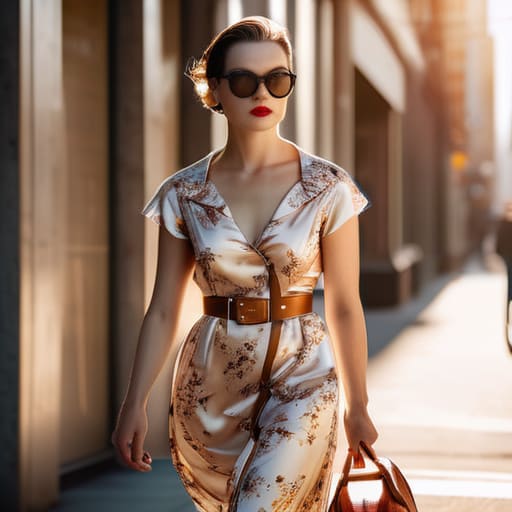
The biggest mistake people make when mixing vintage and modern fashion is trying to commit to a single decade. If you walk out of the house in a 1950s tea dress, a matching pearl necklace, and those little kitten heels, you aren’t wearing an outfit; you’re wearing a costume. Unless you’re heading to a themed party or a very specific period drama set, that’s a hard pass. The goal is to make the vintage piece look like it belongs in your actual life—the one where you have to sit in a bus or sit through a Zoom call.
To pull this off, you need a “grounding” piece. If you’ve found a gorgeous, heavy wool blazer from the 80s, don’t pair it with pleated trousers that scream ‘office clerk.’ Wear it with your most basic, modern straight-leg jeans and a crisp white tee. It’s about tension between eras. I always tell my clients to treat a thrifted find like a solo artist in a band; it needs the modern basics to provide the rhythm so the vintage piece can actually shine without being overwhelming.
Styling Thrifted Finds Through Strategic Tailoring and Fit
Here is the reality of the thrift store: most of what you find is going to fit you like a sack of potatoes, and that is okay. The mistake people make is thinking they have to accept the silhouette the garment came with. If you find a gorgeous 1970s silk blouse but the waist is gaping, don’t walk away. A simple dart or a bit of tapering at the side seams can cost you about £15–£20, but it transforms a “maybe” into a piece you’ll actually wear on a Wednesday. When you are styling thrifted finds, you have to look past the current shape and look at the fabric and the seam allowance. If there is enough fabric inside to let it out, you’ve hit gold.
However, know your limits. I always tell my clients that a tailor is a magician, not a miracle worker. You can fix a waist, shorten a hem, or take in a shoulder, but you cannot fix a garment where the structural integrity of the fabric has failed. If the wool is thinning or the silk is shredding at the underarms, no amount of stitching will save it. Focus your budget on pieces with solid construction; it’s much cheaper to pay for a professional adjustment than to replace a garment that falls apart after three wears.
The "Does This Actually Work on a Wednesday?" Checklist
- Stop ignoring the fabric composition tag. If you’re pulling a vintage blouse from a bin and it’s 100% thin, scratchy polyester that doesn’t breathe, it doesn’t matter how cute the print is—you’ll be sweating and miserable by lunch. Look for natural fibers like cotton, silk, or wool; they hold their shape better through a wash cycle and actually drape over a human body instead of clinging to every awkward seam.
- Check the seam allowance before you fall in love. I see people get so excited about a gorgeous 70s maxi skirt, only to realize it’s too tight in the hips. If there’s at least an inch of extra fabric inside the seam, a tailor can let it out for maybe £15–£20, and suddenly that “too small” find is your favorite piece. If the seams are raw or there’s zero wiggle room, put it back. You can’t fix physics.
- Use modern basics to anchor the “costume” vibe. If you found a killer vintage waistcoat, don’t pair it with matching vintage trousers unless you’re heading to a themed party. Wear it with a pair of high-quality, modern straight-leg jeans and a plain white tee. The goal is to make the vintage piece look like a deliberate choice, not like you just raided a period drama wardrobe.
- Learn to spot “structural” vs. “decorative” damage. A tiny moth hole in the lining of a heavy wool coat? That’s a ten-minute fix for a pro. A blown-out shoulder seam on a delicate silk slip dress? That’s a nightmare that’ll cost more to fix than the dress is worth. Always ask yourself: “Is the damage in the part of the garment that actually holds the shape together?” If yes, walk away.
- Invest in the hardware, not just the label. A vintage blazer might look expensive, but if the buttons are cheap, hollow plastic that feels like it’ll snap if you breathe on it, it’s going to look cheap. Spend £10 on a set of heavy brass or horn buttons from a haberdashery. It’s the fastest way to make a £5 thrift find look like it actually belongs in a real wardrobe.
The Math of a Real Wardrobe
Look, at the end of the day, styling vintage isn’t about finding some magical, one-of-a-kind relic that makes you look like a movie star; it’s about understanding how a garment actually interacts with your body and your current life. We’ve talked about why you shouldn’t fear mixing eras, why you need to check those shoulder seams before you commit, and—most importantly—why a twenty-dollar trip to a tailor is the only way to make a thrifted find look like it was actually made for you. If you can manage the blend of textures and get the proportions right, you stop looking like you’re wearing a costume and start looking like someone who actually knows how to dress. Remember: style is a fit problem, not a shopping problem.
Don’t let the fashion industry convince you that you need a constant stream of newness to stay relevant. The most interesting people I know aren’t the ones with the biggest closets; they’re the ones who know how to make a single, well-tailored wool blazer from 1992 work for a Tuesday meeting and a Friday dinner. Stop chasing the “investment” labels and start looking for substance in the seams. When you buy for fabric weight and potential for alteration, you aren’t just buying clothes—you’re building a wardrobe that actually survives a Wednesday. Now, go find something with good bones and make it yours.
