I spent three years in a basement studio watching people drop two hundred pounds on designer trousers, only to walk out looking like they were wearing borrowed clothes because they didn’t have a belt that actually worked with their proportions. The fashion industry wants you to think that choosing the right leather belt for different outfits requires a massive wardrobe overhaul or a luxury budget, but that is total nonsense. Most of the time, your outfit isn’t failing because the clothes are wrong; it’s failing because a flimsy, cheap strap is cutting your silhouette in half or a heavy, oversized buckle is dragging your entire look down.
If you’re staring at your wardrobe feeling like you have ten belts but nothing that actually works, don’t panic—it’s usually just a lack of coordination rather than a lack of clothes. I always tell my clients that once you understand the basic rules of leather weight and color pairing, the rest is just practice. If you’re still feeling a bit stuck on how to bridge that gap between looking “put together” and looking like you’re wearing a costume, you can grab some extra pointers over at Casualengland chat. It’s a great way to get a bit of real-world perspective on styling, which is honestly much more useful than any high-fashion editorial that ignores how clothes actually behave when you’re sitting in a cafe or walking to a meeting.
I’m not here to sell you on “must-have” seasonal trends or tell you that you need a different belt for every single day of the week. Instead, I’m going to show you the actual mechanics of leather—the weight, the width, and the way a specific buckle interacts with your waistline. We’re going to talk about how to match leather grain to fabric weight and why a $30 solid leather strap is a better investment than a branded one that peels after three wears. This is about making your clothes work for you, not the other way around.
The Math of Matching Belt With Shoe Color
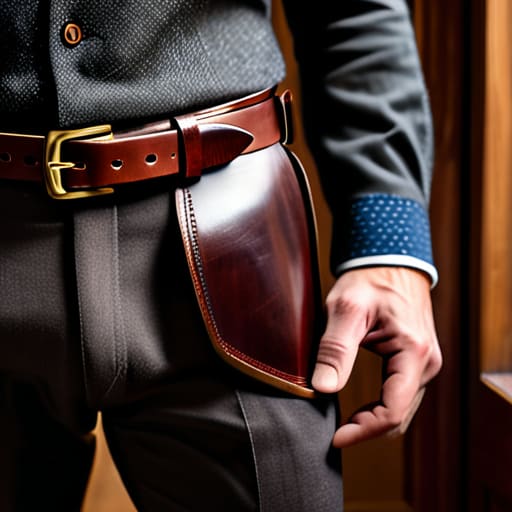
Look, I know the “match your leathers” rule feels like some outdated etiquette from a textbook, but there is a logic to it that isn’t just about being stiff. It’s about visual continuity. When you’re building a look, your eyes naturally track from your feet up to your waist. If you’re wearing heavy oxblood loafers and a pale tan belt, you’ve just created a visual speed bump right in the middle of your torso. It breaks the line of your body. For a standard men’s belt styling guide, the math is simple: stay in the same color family. You don’t need an exact pigment match—I’m not a color swatch—but the tonal weight needs to be consistent.
If you are navigating formal vs casual leather belts, the darkness of the shade is your best metric. A dark chocolate brown boot paired with a light cognac belt looks accidental, not intentional. However, if you’re wearing a braided texture or a matte finish, you can afford to play with slight variations in shade. Just remember: the goal is for the belt to act as a bridge, not a distraction.
Formal vs Casual Leather Belts Width and Weight Explained
Here is the reality: a belt isn’t just a way to keep your trousers up; it’s a structural anchor. When we talk about formal vs casual leather belts, the conversation usually starts and ends with color, but that is a mistake. The real giveaway is the profile. A formal belt needs to be slim—usually around 1 to 1.25 inches—and possess a certain rigidity. If you take a thick, heavy-duty work belt and try to tuck it into suit trousers, you aren’t just breaking a style rule; you’re creating a visible bulge that ruins the line of your jacket.
On the flip side, casual looks demand more “visual weight.” This is where you can play with a wider strap, perhaps 1.5 inches, and a more substantial buckle. If you are looking for a way to dress down a pair of chinos, knowing how to wear a braided leather belt is a game changer because the texture breaks up the silhouette and feels less “office-ready.” Just remember: the thicker the leather and the more textured the finish, the more casual the vibe. If the leather is too floppy, it looks cheap; if it’s too stiff for jeans, it looks like you’re wearing your dad’s Sunday best.
Stop guessing and start checking: 5 ways to actually get the belt right
- Check the buckle weight against your fabric. If you’re wearing a heavy denim or a chunky wool skirt, a thin, dainty buckle looks like it’s struggling for its life; you need a substantial metal that can hold its own against the weight of the textile.
- Mind the loop gap. A belt that is too long and leaves a massive “tail” flapping against your hip isn’t “relaxed,” it’s sloppy. If you find a vintage leather strap you love but the tail is too long, a tailor can shorten it for about the price of a latte—don’t just tuck it in and hope for the best.
- Match the leather finish, not just the color. A shiny, patent leather belt paired with matte suede boots is a visual car crash. You don’t need the exact same shade, but you do need to respect the texture; keep your leathers in the same “vibe” family.
- Watch your proportions at the waistline. If you are wearing high-waisted trousers, a wide belt can act like a corset and crush your silhouette; if you are wearing low-slung jeans, a tiny belt will look lost. Use the width of the belt to bridge the gap between your top and bottom halves.
- Look at the edges, not the logo. Before you buy, run your finger along the edge of the leather. If it’s raw and fraying, it’s going to look cheap within three wears regardless of the brand name. You want a finished, burnished edge that won’t unravel the moment you pull it through your loops.
Stop overthinking the leather
At the end of the day, choosing a belt isn’t about following some unwritten rulebook written by a marketing department; it’s about understanding how weight and color interact with what you’re already wearing. You don’t need a drawer full of twenty different options. You need one slim, structured leather strap for your professional life and one slightly more substantial, perhaps slightly more textured piece for your weekends. Remember that matching your leather to your shoes is a helpful baseline, not a law, and that the width of the belt should respect the scale of your clothes rather than fighting against them. If you get the proportions right, the belt stops being a distraction and starts doing its actual job: anchoring your silhouette.
My final piece of advice? Don’t let the fear of “doing it wrong” stop you from wearing what you have. A belt is a tool, not a trophy. If you find a vintage leather strap at a charity shop that feels incredible but the buckle is a bit clunky, don’t toss it—take it to a local smith or a tailor who can swap the hardware for a few quid. Style isn’t about the pristine, untouched items you buy straight from a website; it’s about the intentional way you curate what actually fits your life. Build your collection around quality and utility, and you’ll find that you stop shopping for trends and start dressing for yourself.
