Stop letting brands convince you that a “complete guide to shopping online” means scrolling through endless, curated collections of things you don’t actually need. Most of these guides are just glorified wish lists designed to make you click ‘add to cart’ on a polyester blend that will pill after three washes. I spent two years in a basement studio pinning hems for people who were heartbroken by their delivery boxes, and let me tell you: the problem isn’t your taste, it’s the lack of technical literacy in your browser tab. You don’t need more options; you need to know how to read a fabric composition label from a smartphone screen.
I’m not here to show you what’s trending on TikTok or which influencers are wearing what. Instead, I’m giving you the actual math. I’ll teach you how to eyeball a seam allowance through a photo, which fabrics are worth the shipping cost, and exactly when to factor in an extra £15 for a tailor to make a “bargain” actually fit your body. This is about building a wardrobe that survives a Wednesday, not a temporary dopamine hit from a delivery driver.
Understanding Complete Guide to Shopping Online
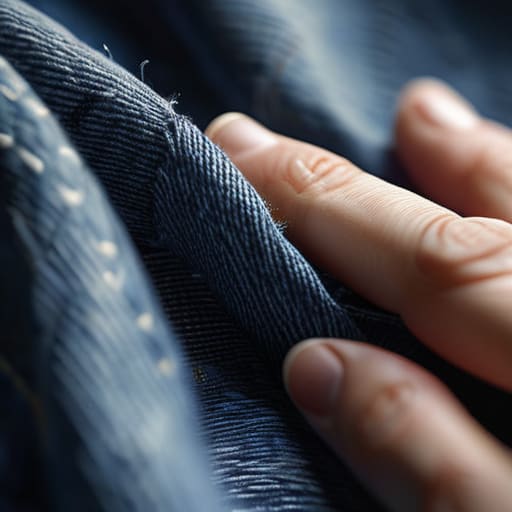
The problem with clicking “add to cart” is that you can’t feel the weight of the denim or check if the seams are actually reinforced. You’re essentially buying a photo, not a garment. To stop the cycle of “ordering and returning,” you need a strict online shopping checklist that goes beyond just picking a size. Before you hit pay, I want you to look at the fiber content, not the brand name. If it’s 100% polyester but priced like silk, walk away. You aren’t just buying a look; you’re buying a structural commitment to your body.
Once you’ve vetted the fabric, you have to vet the source. Don’t just trust the polished studio shots; spend five minutes reading customer feedback, specifically looking for photos of real people wearing the item. This is where you see how a waistline actually sits or if a skirt becomes sheer in the light. While you’re at it, keep an eye out for avoiding online shopping scams by checking for secure checkout icons and verified reviews. If the site looks like it was built in 2004 and the prices are too good to be true, they probably are.
Key Things to Know

First, stop looking at the model and start looking at the composition. A photo can lie, but a fiber content label is a legal document. Before you hit ‘checkout’, run through a quick online shopping checklist: is it 100% cotton or a polyester blend that’s going to pill after three washes? If it’s a blend, check the percentage. If the “premium” knit is 70% acrylic, it’s not an investment; it’s a future bin item. I also spend more time reading customer feedback than I do looking at the professional studio shots. I don’t care if the dress looks “dreamy” on a girl who is 5’10”; I want to know if the person with my actual proportions says the side seams are crooked or if the fabric is see-through.
Finally, let’s talk about the logistics of not getting ripped off. Finding the best online deals is great, but if the price looks too good to be true, it’s usually a scam or a site that will ghost you the second your card clears. Stick to safe payment methods like PayPal or credit cards—never debit—so you actually have some leverage if the parcel arrives looking like a tea towel instead of a blazer. Protect your data with basic e-commerce security tips, because a cheap shirt isn’t worth a compromised bank account.
Practical Tips and Steps
First, stop looking at the model and start looking at the fiber content. Most websites hide the “100% Polyester” truth under a mountain of marketing adjectives like luxurious or silky. Before you hit checkout, run through a quick online shopping checklist: check the weight of the fabric in the description and, most importantly, look for the “garment measurements” rather than just the size guide. A size 10 in one brand is a size 14 in another, and no amount of magic can fix a shoulder seam that sits two inches too low.
Next, get ruthless with the reviews. I’m not looking for “I love this!”—I’m looking for people complaining about the hem falling off or the fabric thinning after one wash. Reading customer feedback is your best defense against a wardrobe full of expensive rags. While you’re at it, keep your eyes peeled for avoiding online shopping scams by sticking to known sites with clear return policies. If a deal looks too good to be true, it usually means the seam allowance is non-existent and the fabric will pill before you’ve even finished your first Wednesday.
Common Mistakes to Avoid
The biggest mistake I see? People falling for the “aesthetic” of a product page without actually looking at the construction. You see a gorgeous, oversized blazer in a model’s photo and hit ‘buy,’ only to realize when it arrives that the fabric is a paper-thin polyester blend that will pill after three wears. Before you checkout, your online shopping checklist needs to include a hard look at the fiber content. If it’s a high percentage of synthetic fibers, it’s not an investment; it’s a temporary rental you’ve paid full price for.
Another trap is trusting the “Gold Star” reviews blindly. I spend way too much time reading customer feedback specifically to look for mentions of how the garment actually hangs on a real body, not just how it looks under studio lights. If five people say the waist runs small, believe them. Also, stop chasing every “flash sale” that pops up in your feed. Most of those are just ways to move dead stock. If you aren’t finding the best online deals by comparing actual fabric weight and seam quality, you’re just participating in a high-speed cycle of buying things you’ll eventually have to return.
Final Thoughts
Look, I’m not going to tell you that clicking “add to cart” is a lifestyle choice. It’s just a transaction, and if you approach it with the same blind optimism people use when buying “miracle” skincare, you’re going to end up with a closet full of polyester regrets. Use an online shopping checklist before you hit pay—check the fabric composition, look at the actual measurements rather than just the size, and for the love of everything, read the customer feedback specifically looking for mentions of how the garment holds up after one wash.
At the end of the day, a good wardrobe isn’t built on luck; it’s built on being a bit of a skeptic. Don’t get distracted by flashy marketing or “limited time” countdown timers that are clearly fake. Focus on the math: if the fabric is thin and the seams look wonky in the zoom-in photos, it’s not a deal, it’s a waste of your money. Stay smart, keep your e-commerce security tips in mind, and remember that the goal is to own things that actually fit your life, not just things that look good on a model’s screen.
The Math of the Virtual Cart: 5 Rules for Not Getting Scammed by a Screen
- Stop reading the “Style Notes” and start hunting for the fiber content. If a description says “luxurious feel” but the tag says 100% polyester, it’s going to trap heat like a greenhouse and pill after three washes. I don’t care how good the model looks; if the fabric can’t breathe, it’s a waste of your money.
- Measure your actual body, not your “size.” A Medium in one brand is a Small in another, and “vanity sizing” is a liar’s game. Grab a tape measure, check your bust, waist, and hips, and compare those centimeters to the brand’s specific size chart. If they don’t provide a chart, close the tab.
- Do the “Alteration Math” before you hit buy. If you find a beautiful vintage silk slip for £15 but the hem is dragging and the straps need shortening, that’s an extra £20 at the tailor. Suddenly, your “steal” is a £35 item. If the cost of the fix pushes it past the price of something that already fits, walk away.
- Check the “Construction Clues” in the reviews. Don’t look for “I love this color”; look for “the seams are puckering” or “the buttons feel loose.” I want to know if the garment is held together by hope or by actual thread tension. A garment that looks good in a photo but has flimsy construction is just expensive trash in waiting.
- Beware the “Dry Clean Only” trap for daily wear. If you’re buying something for a “normal Wednesday,” you probably don’t want to spend £15 every time you wear it just to keep it from shrinking. Unless it’s a heavy wool coat or a structured blazer, aim for fabrics that can survive a gentle machine wash.
The Online Shopping Trap
Stop treating your digital shopping cart like a solution to a style problem. An online ‘guide’ shouldn’t tell you what’s trending; it should teach you how to read a fabric composition label and check the seam construction in your head, because if you can’t factor in the £15 it’ll cost to fix the waist, you aren’t buying a bargain—you’re just buying more work for me.
Neve Okonkwo-Barr
The Final Stitch
Look, shopping online isn’t about finding the most “aesthetic” pieces in a curated grid; it’s about becoming a detective. You’ve learned to look past the professional lighting to find the actual fabric composition, to scrutinize the way a garment hangs in a video, and to calculate whether the cost of a professional hem or a waist nip is actually worth the price of that “deal.” Remember, a sale is only a bargain if the item survives your first five washes and actually fits your body without needing a miracle. Don’t let a high price tag or a flashy marketing campaign distract you from the real math of a wardrobe: the cost per wear, the durability of the seams, and the reality of the alteration bill.
At the end of the day, your clothes should work for your life, not the other way around. You don’t need a massive, overflowing closet full of “maybe” pieces that sit in the back of your wardrobe because the shoulders are too wide or the fabric feels like sandpaper. You need a collection of things that make you feel capable on a rainy Tuesday or a high-stakes Wednesday. Stop trying to buy a new identity every time a new trend drops and start investing in your own fit. When you stop shopping for the person you think you should be and start buying for the person you actually are, that is when you finally master your style.
Frequently Asked Questions
If I find a piece online that fits my body but the fabric looks thin or cheap in the photos, is it actually worth the risk of buying it?
If it looks thin in the photos, it’s usually because it is thin. Trust your gut. If the description says “lightweight blend” or “silky feel” but doesn’t list a weight or fiber content, it’s likely a polyester disaster that will pill after three wears. Unless you can factor in a £15 tailoring cost to add structure or weight, don’t risk it. A cheap fabric can’t be “fixed” into quality; it’s just a waste of money.
How much should I realistically budget for alterations if the item I ordered online doesn't fit perfectly right out of the box?
Don’t let a “perfect fit” online fool you; it’s usually just good lighting. If you’re budgeting, think in tiers. A simple hem on trousers or sleeves is usually £15–£25. Taking in a side seam or adjusting a waist is closer to £30–£45. If you’re looking at structural stuff like shoulders, you’re hitting £60+. Always add that “alteration tax” to your mental cart total before you click buy—otherwise, that “bargain” is just a sewing project you can’t afford.
Are there specific keywords or fabric compositions I should look for in product descriptions to make sure the garment won't lose its shape after three washes?
Stop looking at the “vibe” and start reading the tiny print. If it’s 100% thin viscose or a cheap polyester blend, it’s going to pill or sag by Tuesday. Look for natural fibers with a bit of “memory”—wool, heavy cotton, or linen. If you want stretch that actually stays, ensure there’s a small percentage of elastane (like 2%) to help it snap back. And please, if it’s a knit, check the weight; if it feels flimsy now, it’s a ghost after three washes.
