Stop letting a glossy Instagram campaign convince you that a “complete guide to bags” needs to include a six-month payment plan for a logo. I’ve spent too many afternoons in a basement studio watching expensive, “designer” leather peel away from cheap synthetic linings after just one season of actual use. Most of these guides tell you which brand is trending, but they never tell you if the strap attachment is reinforced or if that heavy hardware will eventually tear through the fabric. You don’t need a status symbol that falls apart by next Tuesday; you need something that actually carries your life without losing its shape.
I’m not here to sell you on a lifestyle or a specific label. Instead, I’m giving you the real math on what makes a bag worth your hard-earned money, from the weight of the canvas to the integrity of the stitching. We are going to talk about construction, how to spot a structural fail before you tap your card, and which silhouettes actually survive a daily commute. This is a guide built on fabric weight and seam allowance, not marketing hype.
Understanding Complete Guide to Bags
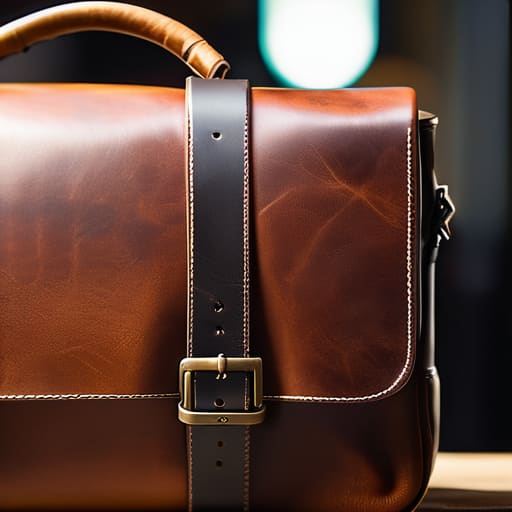
Before you click ‘add to cart,’ we need to talk about what a bag actually does for your life. Most people shop for a bag based on a photo of a celebrity, but I shop based on weight distribution and seam strength. A bag isn’t just an accessory; it’s a piece of equipment you carry on your body for ten hours a day. If you’re looking at durable bag fabrics, stop obsessing over the logo and start feeling the grain. A heavy-duty canvas or a high-quality, full-grain leather will actually hold its shape after six months of being shoved under train seats, whereas those “vegan leather” plastics tend to peel and crack before you’ve even finished your first season of wear.
We also need to look at the physics of it. If you’re commuting, ergonomic bag design is the difference between a productive Tuesday and a literal backache. I see so many people buying beautiful structured totes that have zero shoulder support, effectively turning their commute into a weightlifting session they didn’t sign up for. Whether it’s a backpack with wide, padded straps or a crossbody that actually sits at your hip rather than choking your neck, the function has to match your daily movement.
Key Things to Know
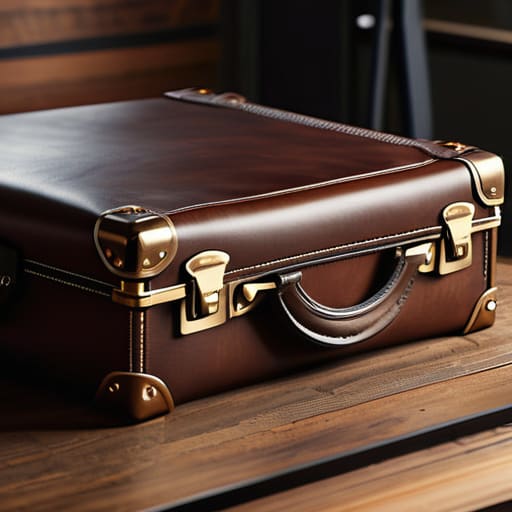
First, stop looking at the logo and start looking at the hardware and the edges. If you’re eyeing a bag, check the weight of the leather or the weave of the canvas; thin, flimsy materials might look sleek on a mannequin, but they won’t survive a Tuesday commute. I always tell my clients to look for durable bag fabrics like heavy-duty nylon or full-grain leather, because once a strap starts fraying or a seam begins to pull, you’re looking at an alteration cost that usually exceeds the price of the bag itself.
Second, think about how the bag actually lives with your body. A bag that looks great in a mirror can be a nightmare if it lacks ergonomic bag design, especially if you’re carrying a laptop or heavy books. If you’re looking for a daily driver, choosing the right backpack isn’t about the aesthetic—it’s about the padding on the straps and how the weight distributes across your shoulders. If it digs in after ten minutes, it’s not a piece of fashion; it’s a physical liability.
Practical Tips and Steps
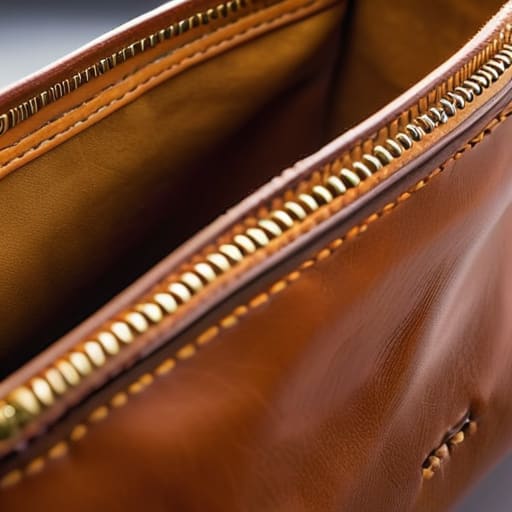
First, stop looking at the price tag and start looking at the hardware. I’ve seen £400 designer bags where the zipper is a cheap, toothless plastic nightmare that will snag by month three. Before you commit, test the weight and the tension. If you’re looking for something that actually survives a commute, prioritize durable bag fabrics like heavy-duty canvas or full-grain leather over those “vegan” synthetics that peel like a sunburn after one rainy Tuesday. If the strap is thin and unpadded, your shoulder will pay the price by lunchtime; look for reinforced stitching where the handle meets the body—that’s where most bags fail.
Second, think about how you actually live, not how you want to look in a curated Instagram feed. If you’re constantly lugging a laptop and a lunchbox, choosing the right backpack with an ergonomic bag design isn’t a fashion compromise; it’s a necessity for your spine. Once you actually own it, don’t just toss it in a heap on the floor. Proper bag storage and organization—like using small pouches for your keys and chargers—prevents the bottom of the bag from becoming a black hole of lint and lost receipts.
Common Mistakes to Avoid
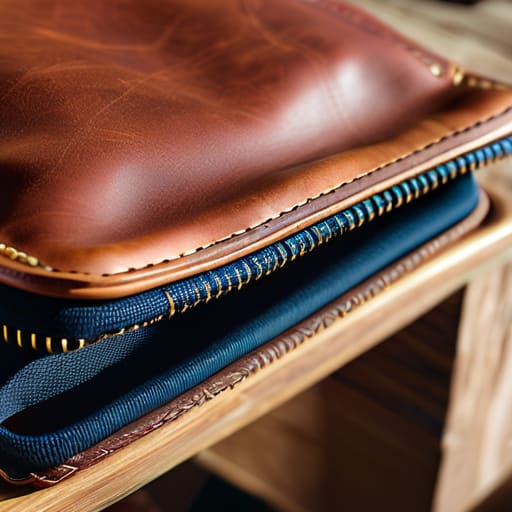
The biggest mistake I see is people buying for the “vibe” and ignoring the physics. You’ll see a gorgeous, structured leather tote that looks incredible on a model, but if you’re actually carrying a laptop and a water bottle, you’re going to destroy the handles in six months. People often overlook durable bag fabrics in favor of something that just looks good in a photo. If the stitching is thin and the strap attachment is just a single layer of fabric, it isn’t a “forever piece”—it’s a future landfill resident.
Another trap is the “one bag to rule them all” fallacy. You cannot expect a tiny evening clutch to survive a commute, and you shouldn’t try to cram your life into a flimsy fashion bag. If you’re a student or a commuter, choosing the right backpack with actual ergonomic bag design is non-negotiable. If the weight isn’t distributed properly, you aren’t just wearing a bag; you’re wearing a physical ailment. Stop treating your bags like accessories and start treating them like tools that have to work as hard as you do.
Final Thoughts
Look, at the end of the day, a bag isn’t a trophy or a status symbol; it’s a piece of equipment for your life. If you buy a bag that looks incredible on a mannequin but makes your shoulder ache by lunchtime because it lacks ergonomic bag design, you haven’t bought an accessory—you’ve bought a chore. Stop chasing the “it” bag of the season and start looking at the hardware and the weight. I’d much rather see you carry a slightly worn, well-constructed canvas tote than a flimsy, “designer” faux-leather piece that will peel before your next birthday.
If you want your collection to actually last, you have to respect the construction. This means paying attention to durable bag fabrics and knowing how to handle them. Don’t just toss everything into a pile in your closet; a little bit of intentional bag storage and organization—like using dust bags or even just keeping them off a damp floor—is the difference between a bag that lasts five years and one that falls apart in five months. Buy for the way you actually live, not the way you think you should look.
5 Things to Check Before You Tap Your Card
- Check the strap attachment points. If the strap is just sewn into a thin seam with a single line of stitching, it’s going to snap the moment you put a heavy wallet or a water bottle in there. You want reinforced stitching or metal hardware that actually feels substantial, not hollow plastic masquerading as gold.
- Look at the lining, not just the leather. Most brands spend all their money on the exterior and use a paper-thin polyester lining that rips the first time you dig for your keys. A bag with a heavy cotton canvas or a sturdy nylon lining is the one that actually survives a year of commuting.
- Test the weight of the hardware. If the zippers feel scratchy or get stuck halfway through a pull, walk away. A cheap zipper is the fastest way to turn a “staple piece” into a piece of trash, and no amount of leather conditioner is going to fix a faulty track.
- Evaluate the “drop” of the shoulder strap. A bag might look incredible on a mannequin, but if the strap is too short, it’s going to pin your arms to your sides and make you look uncomfortable all day. Measure the strap length against your own body; if it doesn’t account for a thick winter coat, it’s a decorative object, not a functional bag.
- Don’t fall for the “genuine leather” trap. In the industry, “genuine leather” is often code for the lowest grade of scraps glued together. If you want something that lasts, look for top-grain or full-grain leather. It costs more upfront, but I can show you the maths: one $200 bag that lasts five years is cheaper than five $50 “genuine” bags that peel by next Christmas.
The Myth of the 'Must-Have' Bag
Stop listening to influencers telling you that a certain brand is a ‘wardrobe essential’ just because it’s trending; a bag is only an investment if the strap attachment can handle your actual life and the leather doesn’t peel after three months of commuting.
Neve Okonkwo-Barr
The Bottom Line on Your Next Carry
Look, at the end of the day, a bag isn’t just an accessory; it’s a piece of equipment you carry through your actual life. If you’ve listened to any of this, you know that the “it-bag” of the season doesn’t matter if the strap digs into your shoulder or the lining is so thin it rips the first time you drop your keys. Stop chasing the logo and start looking at the hardware weight, the stitch density, and the seam reinforcement. Whether you’re spending fifty quid at a charity shop or five hundred at a boutique, the math has to add up. If the bag doesn’t survive your Tuesday morning commute or your Friday night chaos, it isn’t an investment—it’s just expensive clutter.
My final piece of advice is to stop letting marketing departments dictate what “quality” looks like. Real style isn’t about having the most expensive leather in the room; it’s about having the bag that actually fits your life and stays intact while you live it. Buy for the way you move, not the way you want to be seen in a curated Instagram feed. When you find that one piece that holds your laptop, your charger, and your sanity without falling apart at the seams, that is your real wardrobe win. Now, go find something that actually works for you.
Frequently Asked Questions
Is it actually worth paying a tailor to replace a broken zipper or add a strap, or should I just bin it?
Don’t bin it yet. If the bag is high-quality leather or has a solid structure, a zipper replacement is worth the £20–£30 it’ll cost you. It’s a simple mechanical fix. Adding a strap is also doable if there’s enough seam allowance to anchor it without it pulling the shape out of whack. If it’s a flimsy, fast-fashion polyester bag with cheap hardware? Let it go. Don’t throw good money after bad construction.
How can I tell if a "vegan leather" bag is going to peel and look like trash in three months?
Don’t let the “vegan” label fool you into thinking it’s durable; most of it is just plastic (polyurethane) sprayed onto a fabric backing. To spot a dud, do the “pinch test.” Squeeze the material between your fingers; if it feels thin, papery, or makes a crinkling sound, it’s going to peel by next season. Look for a thicker, slightly heavier weight and a matte finish. If it looks like shiny plastic, it’s trash in waiting.
If I'm buying secondhand, what specific signs of wear should I look for in the lining and the base so I'm not stuck with a structural mess?
Check the corners first. If the base is sagging or the leather/fabric is scuffed thin, it’s a structural death sentence; you can’t “fix” a collapsed bottom. Then, turn it inside out. If the lining is pulling away from the seams or looks shiny and thin, it’s about to shred. A torn lining is a cheap fix, but if the interior seams are fraying, the bag is tired. Don’t buy a structural mess.
